
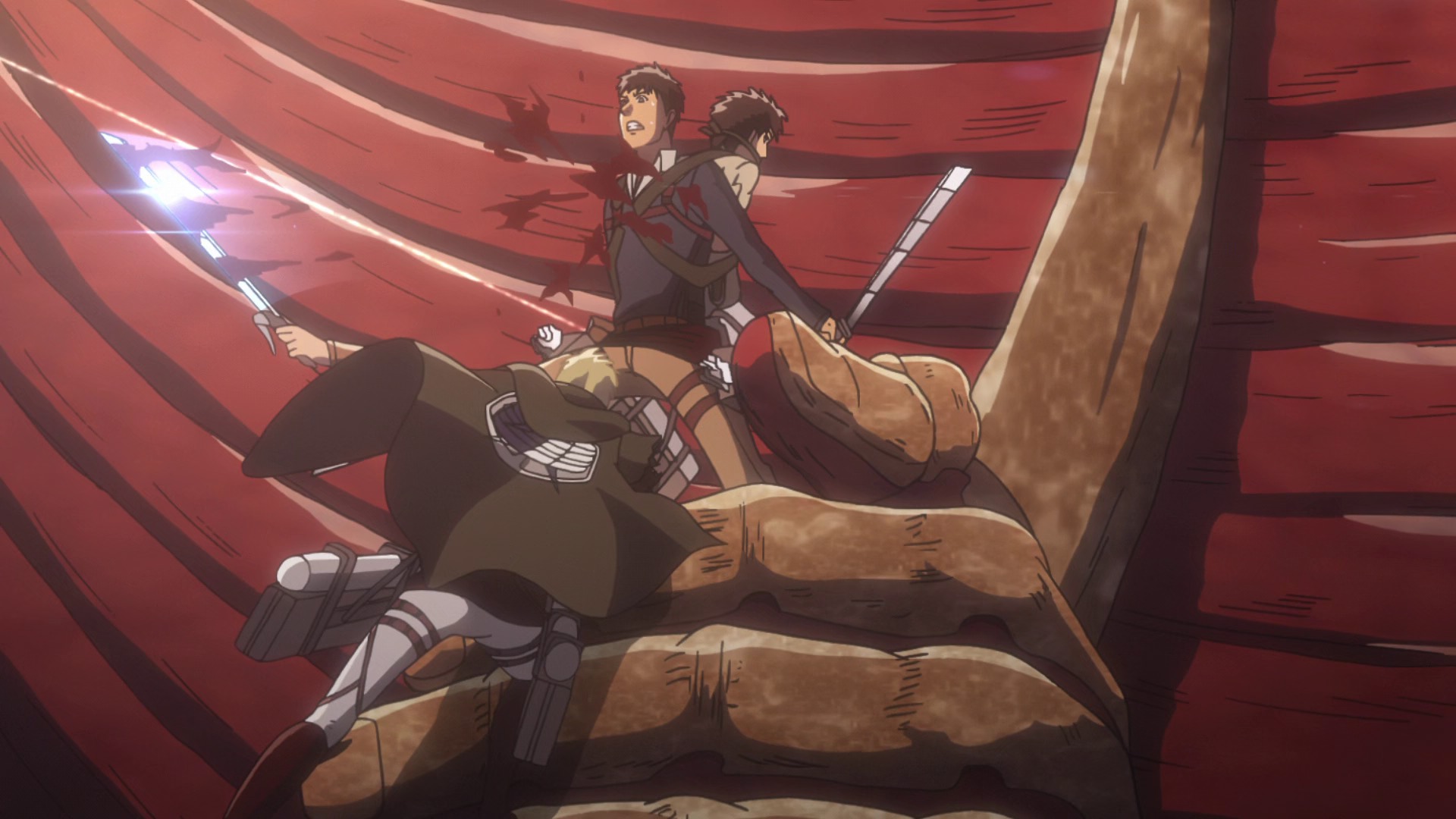
Attack on Titan brought its epic journey to a close with the Chronicle Cut version of the final episode, giving their followers an extended look at how every character’s fate and the story’s themes fit together. The original ending stirred strong reactions, but this version added more layers of reflection.
It invited viewers to sit with the consequences of war, grief, and freedom—not just through a single-ending scene, but by showing events that bring the full story into focus. With this version, there was more space for thinking about every step Eren, Mikasa, Armin, and the others took.
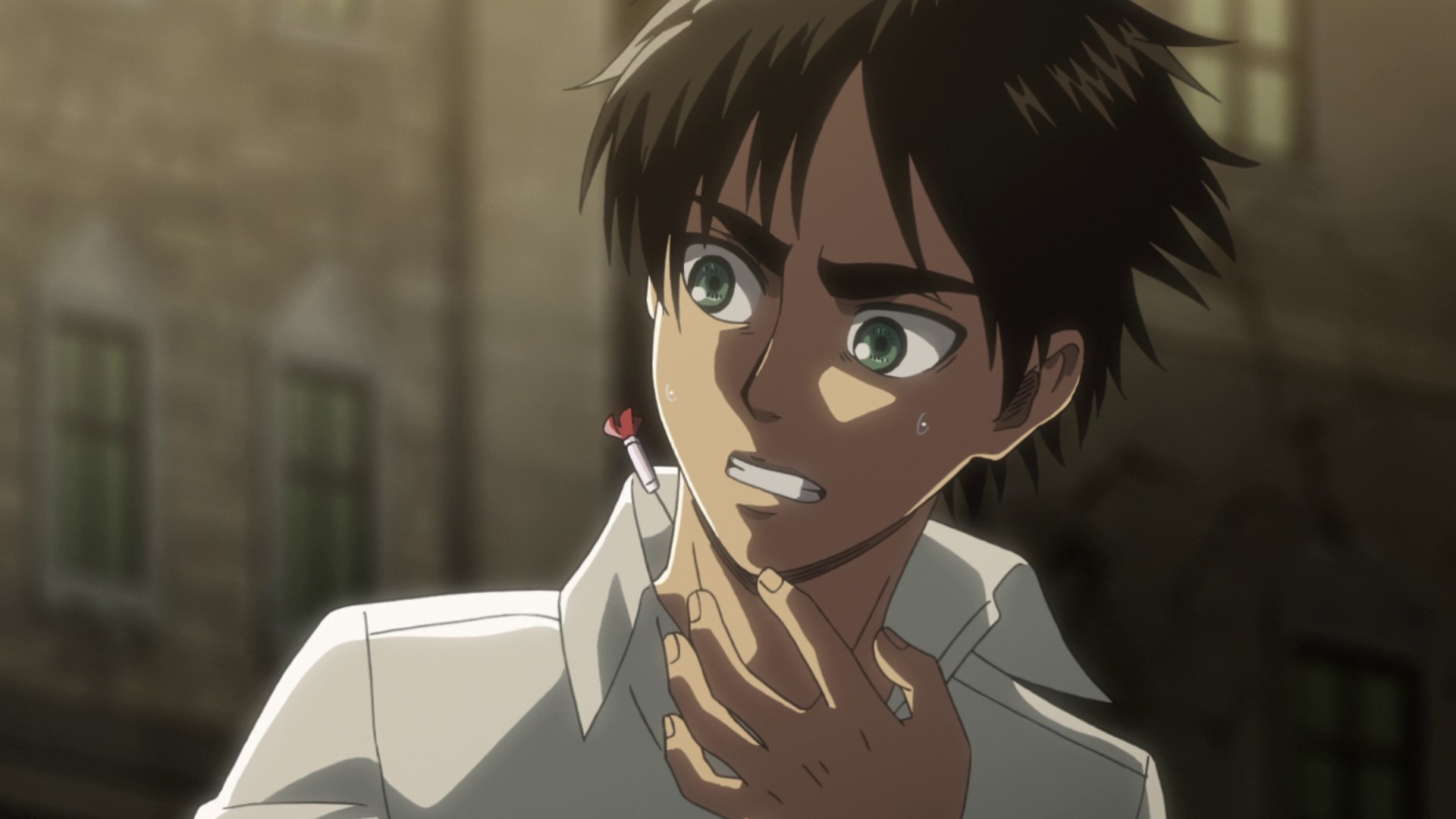 Freedom and loss walk side by side finally (Photo: Attack on Titan: Final Episode (Chronicle Cut)/ MAPPA)
The Chronicle Cut did not fix every problem, but it helped clarify why this ending felt both painful and powerful. The final scene lingered on empty plains, people walking through ruins, and the quiet return to everyday life. This version gave faces to the costs. Journalists, survivors, and children were shown rebuilding towns.
Survey Corps soldiers lowered their swords. Families reunited in tears. Each shot reminded us that no one won without paying a price. That emotional weight clung to every scene, making the ending feel more human.
Eren’s Legacy Viewed Through Many Eyes
In the standard cut, Eren Yeager stood alone at the cliff’s edge. But Chronicle Cut added more moments after his death, giving time for other characters to live with what they lost. Mikasa sat beside his body noting how the person she had lost was different from the one she loved.
Armin thought about the words Eren spoke on the final battlefield and how those words will echo into future generations. The episode made space for each character to process Eren’s final acts beyond grief.
Their grief looked different after the extended scenes. It didn’t come in loud outbursts. It came in tears held back, eyes searching the sky, and silent nods of acceptance. That gave room for viewers to feel alongside them. No one escaped from the emotional cost. And no matter what they chose to think of Eren as a hero or villain, every goodbye carried weight.
Peace Is Fragile, And So Are Borders
Chronicle Cut spent more time on how the world tried to move forward. Nations across the ocean, previously enemies, lowered their flags. Eldians returned to rebuilt villages. The Alliance between once-warring powers rebuilt trade routes.
But the episode refused to give too much comfort. The final frames showed new borders being painted, custom checks being set, and military patrols still walking dusty roads.
This imagery carried a clear reminder: history does not stop. Freedom earned through blood is rarely secure. The people who survived still had to make choices, build trust, and hold power accountable. The ending shows how even when war ends, dealing with its ghosts is a full-time job.
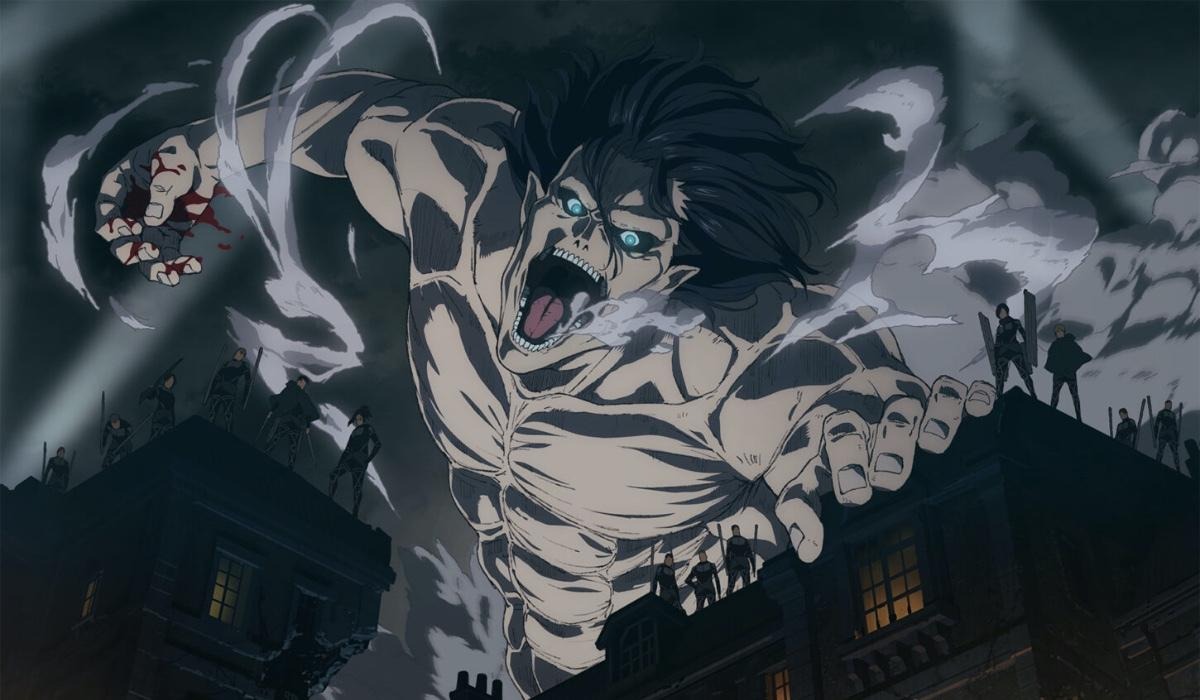 Empty plains and heavy hearts close the chapter (Photo: Attack on Titan: Final Episode (Chronicle Cut)/ MAPPA)
Children Learn From Broken Stories
One of the most touching scenes added in the Chronicle Cut involved children picking up books and maps that spoke about Titans, freedom, and Eren’s final march. One young girl opened a book about the Marleyan-Eldian conflict. Another boy traced Equality Village on a map with his finger. These silent moments said more than any speech could. They showed that memory becomes the foundation of choice.

These small acts demonstrated that the next generation carried forward the lessons—but not always the same opinions. Some pages read like history. Others looked more like myths. Almost no one had clear answers. But one thing was known: they were not about to forget the past. Their curiosity mirrored the question that began Adventure: will remembering guide them toward unity or drive them toward conflict again?
Symbols Replaced by Hope—and Fear
As the final shot closed, a rebuilt tower stood beside a fresh grove of trees, and a single feather drifted through the air. These symbols marked what the episode wanted us to carry forward: the power to build, the hope to heal, and the danger of repeating what brought destruction. That moment felt earned by showing both ruin and resilience before the final fade to black.
Compared to the shorter version, the Chronicle Cut did not pretend the story ended with ease. It ended with caution. It invited viewers to remember how fragile the world is after great trauma. And it suggested that those who know the story best have the responsibility to shape the future.
Every Ending Leaves a Question
By giving more time to reflect on loss, memory, and rebuilding, the Chronicle Cut reminded us that endings are never simple. There was no sense of closure where all threads tied nicely. Instead, viewers felt the silence after an explosion.
They saw dawn after a long night. They stepped into a future that needed more work than any one person could give. Attack on Titan: Final Episode Chronicle Cut is available for streaming on Hulu and Crunchyroll.