
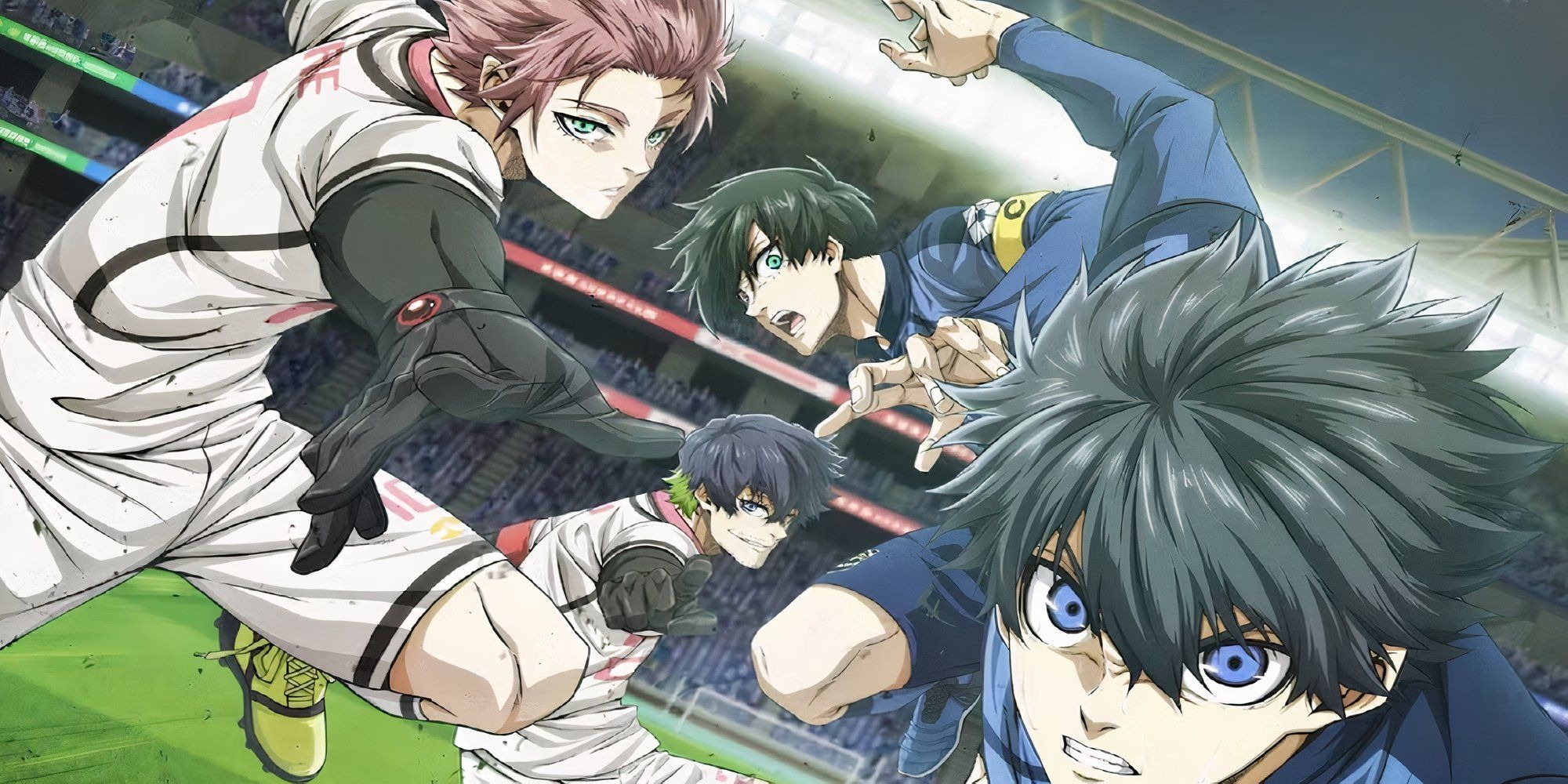
The U-20 Arc in Blue Lock brought a new level of pressure that tested every layer of what the project stood for. From the start, this arc came with a serious tone, setting the stage for one of the toughest matches the Blue Lock team had faced.
The match against Japan’s Under-20 national team wasn’t just about winning or losing a game. It was about earning the right to remain relevant in Japanese football. Ego Jinpachi’s experiment was no longer limited to theory. This was the point where reality demanded proof.
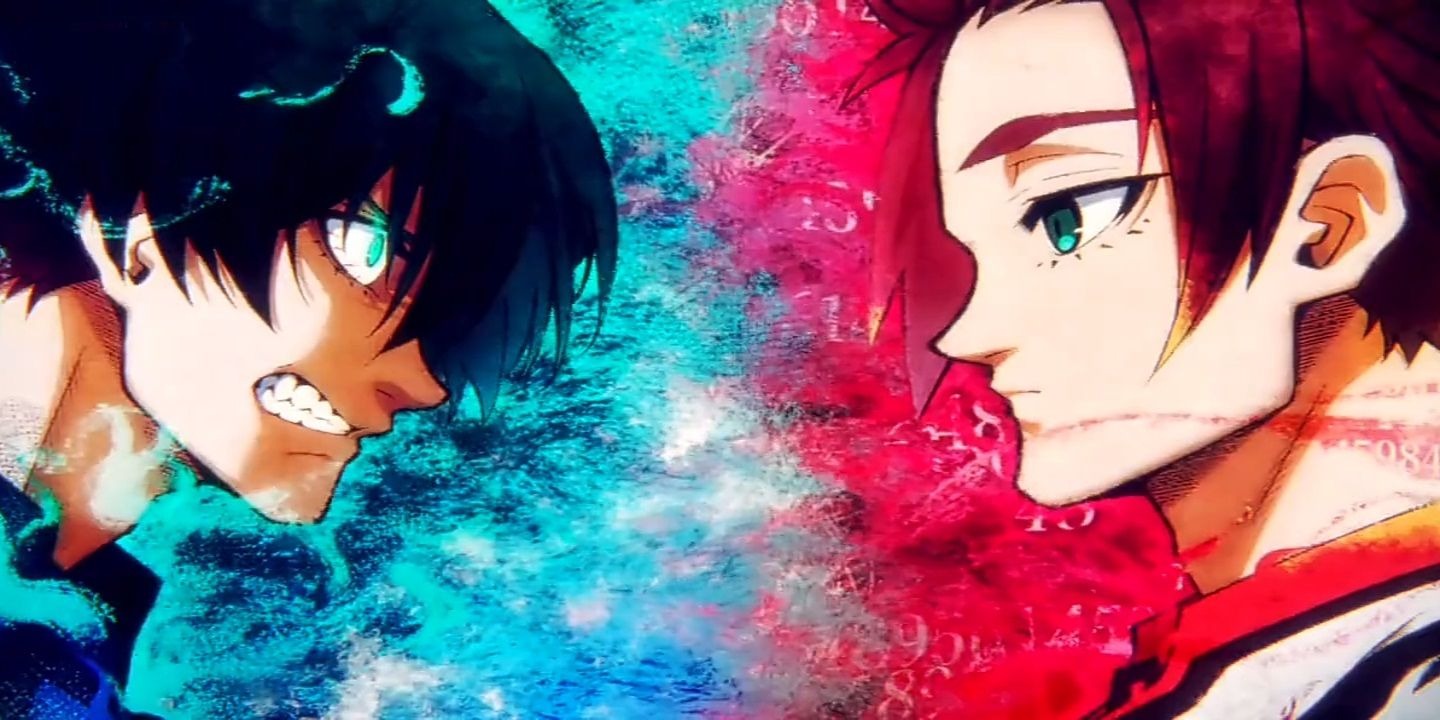 Isagi searches for answers under crushing pressure (Photo: Blue Lock: U-20 Arc/Studio 8bit)
Each player who stepped onto that pitch carried the burden of his own ambition. Some wanted recognition. Others sought to prove that their style of football deserved attention. For Isagi, this challenge came with more questions than answers.
How could he outthink players who had more experience and had already played at the top level? Was his ability enough, or would he get swallowed in a game where pressure affected every movement?
Isagi’s Strategic Mind Becomes His Strongest Weapon
At the beginning of the match, Blue Lock’s strategy looked scattered. The players had been trained individually and were used to playing for themselves. But facing a united team with clear systems pushed them to reconsider how they approached the game. That chnage started with Isagi. He didn’t just react to what happened on the pitch. He looked for patterns, spaces, and intentions in real time.
Isagi’s intelligence gave him an edge. He saw moments before they happened and adjusted his positioning to fit the rhythm of the match. Unlike players who relied on raw talent, he chose to improve through decisions. Each calculated move helped him read opponents with better accuracy and contributed to the momentum Blue Lock desperately needed.
One of the main moments came when he recognised the blind spot in the U-20 team’s defensive structure. That insight changed the flow of play. Blue Lock began to create chances not through flair but through awareness. Isagi’s influence became clear to both teammates and viewers, marking him as a future leader among egocentric players.
The Clash Between Ego and Teamwork
Blue Lock’s identity was built on individual excellence. However, the U-20 match forced the players to face a different kind of truth. They could not win with selfishness alone.
The enemy wasn’t just more skilled in areas—it was more organised. For once, ego had to adjust without losing its edge. Players like Nagi and Barou found themselves struggling to maintain their style while still connecting with others.
Barou, in particular, was torn between his desire to shine and the need to trust his teammates. His usual method of taking control failed when the defenders were already prepared for it.
That frustration led to mistakes until he realised that working with others didn’t mean losing his identity. Instead, it meant understanding when to use his strength for a shared purpose.
The turning point came when the Blue Lock players started combining their instincts. They found a balance between individuality and timing. By playing as one unit, they exposed the U-20 team’s slow reaction to unpredictable patterns. Each attack gained sharper edges. Even when passes looked unplanned, they carried intention.
Rin’s Battle with Sae Itoshi Adds Personal Pressure
While the whole match carried weight, the tension between Rin and Sae brought another layer to the story. This wasn’t just a football match for the two brothers.
It became a battle to settle a long-standing conflict that had gone unspoken for years. Rin wanted to prove that he had surpassed the brother who once walked away from everything. Sae, on the other hand, treated the entire situation with cold distance.
Rin’s frustration became more visible the longer the game continued. His attempts to dominate were met with calm defiance from Sae, who saw the field with mature eyes.
But the emotion behind Rin’s efforts began to pay off when he stopped trying to beat Sae at his own game. Instead of chasing approval, he focused on rewriting his role in the team.
That change moved his energy. He began to link better with Isagi and even made unexpected plays that caught Sae off guard. His maturity didn’t erase his anger, but it made him more dangerous. Sae, for all his experience, had to admit that Rin was no longer the child he used to dismiss. That silent acknowledgement brought an emotional payoff that didn’t need dialogue.
The Pressure of the Goalkeeper and Defensive Line
One of the quieter strengths of the Blue Lock team came from the back. Gagamaru stood in goal as the last wall against the U-20’s precision attacks. His saves didn’t come from textbook form. They came from raw instincts and flexibility. That unpredictability gave him an edge, especially when shots were taken from close range with little time to react.
The defensive players also grew during the match. While they were often overlooked, their ability to absorb pressure without breaking gave the forwards more space to take risks.

People like Raichi played with intensity that forced the U-20 attackers to hesitate. These moments slowed down their rhythm, giving Blue Lock an opening they desperately needed.
By the final stretch of the match, the defense had become more than just a barrier. It turned into a launching pad. Every tackle and clearance became an invitation for a counterattack. This change made Blue Lock more dangerous, allowing the team to push forward with greater confidence.
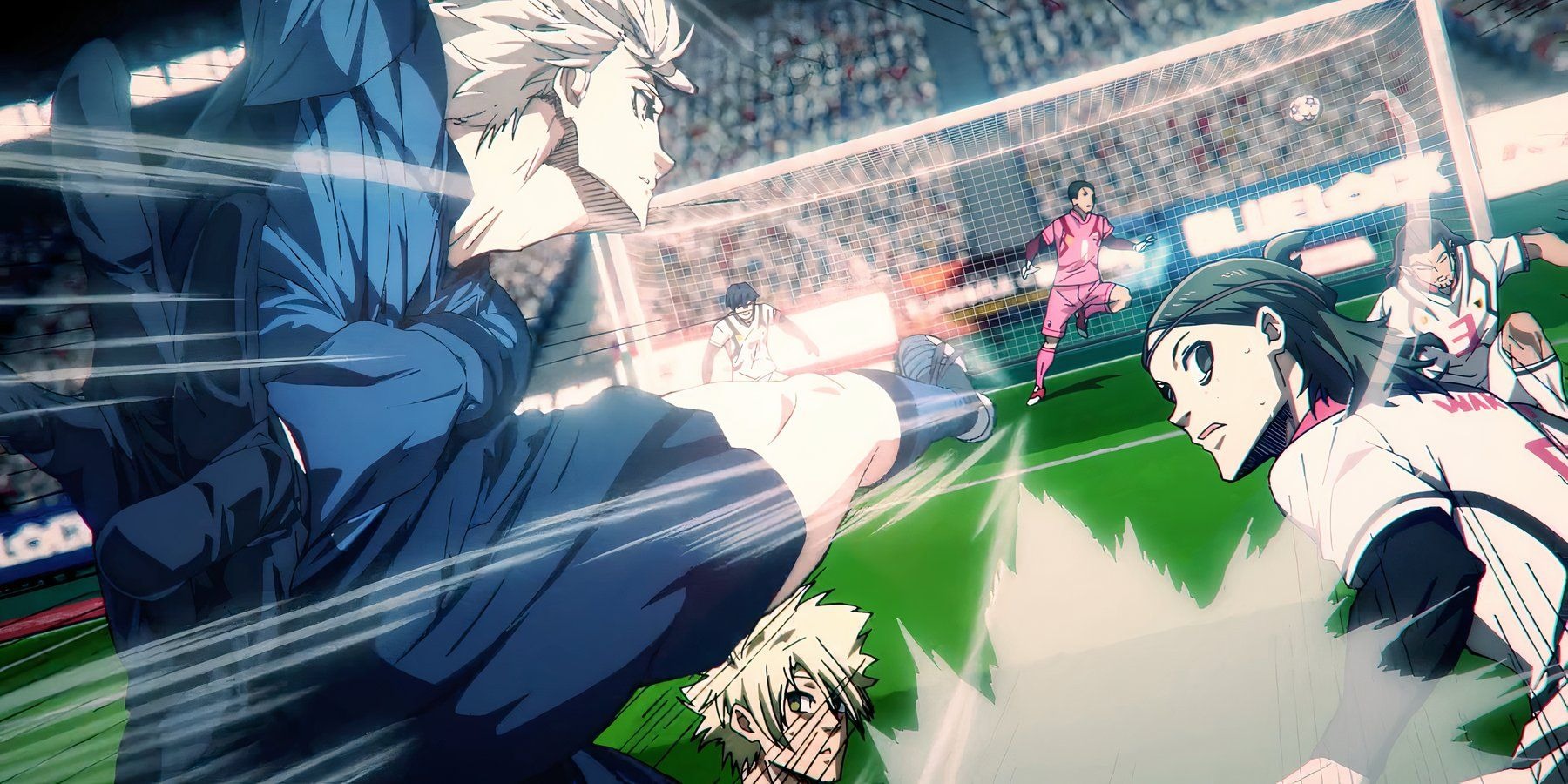 Ambition and strategy collide in every play (Photo: Blue Lock: U-20 Arc/Studio 8bit)
Sae’s Final Realisation and the Future of Blue Lock
As the match came to a close, it was Sae who looked changed. His expression, which had stayed distant throughout the game, started to reflect real interest. He saw that these young players weren’t just raw talent. They had built something. They were proving that creativity could survive under pressure.
Sae’s respect didn’t come from losing. It came from witnessing players choose football in its most selfish and honest form. He had walked away from the Japanese system because he saw it as limited. But now, standing on the same pitch as those who trained under Ego’s system, he realised that something new had taken shape.
The ending came with a goal that didn’t look flashy but came from careful teamwork. It wasn’t about who scored. It was about how it was made. That goal represented the balance Ego wanted from the beginning—a system where personal growth and team success could exist side by side without one crushing the other.
Blue Lock’s Position in Japanese Football Changed
After the match, the public began to view Blue Lock differently. What once seemed like an experiment started to feel like a movement. These players had not only challenged professionals but also defeated them. That victory didn’t just belong to Ego or the players. It raised questions about how Japanese football should move forward.
The U-20’s defeat did not destroy their careers. But it changed the expectations placed on them. Now, they had to share the spotlight with players who were trained in a method that defied traditional thinking. Football became less about fixed positions and more about understanding situations as they came.
Ego’s role also gained more weight. His speech after the match reminded everyone that this was just the beginning. His project had passed its first real test. But there was more to come. International attention began to turn toward Blue Lock, hinting at bigger challenges that would require even more development from the players.
Blue Lock’s U-20 Arc closed with more than just a scoreboard. It left behind a statement. Those who watched understood that football had taken a different turn. And those who played knew that they had stepped into a future where their decisions would shape the sport’s direction.