

Criminal Justice: A Family Matter stays true to its title, focusing on how complicated family dynamics can lead to tragedy. The season revolves around a young woman whose choices set off a chain of events with fatal consequences.
Pankaj Tripathi returns as Madhav Mishra, the sharp-witted lawyer whose success depends on uncovering the truth for his clients. This season brings back familiar faces while introducing new characters, creating a mix of continuity and freshness. The story focuses on relationships, secrets, and moral dilemmas rather than sensational crimes or dramatic action sequences.
The fourth season keeps the series’ trademark calm pacing and realism. There are no exaggerated action scenes or overly complex plots. Instead, clues and evidence are presented clearly, letting viewers piece together the story alongside the courtroom proceedings. Director Rohan Sippy takes his time building up scenarios that lead to tense courtroom confrontations. Madhav Mishra’s humor balances the tension, providing moments of lightness in an otherwise serious narrative.
The season features an ensemble cast delivering compelling performances. Mohammed Zeeshan Ayyub plays Dr. Raj Nagpal, Surveen Chawla portrays his estranged wife Anju, and Asha Negi plays Roshni Saluja. Mulay appears as Sub-Inspector Gauri Karmarkar, and Barkha Singh joins as the young lawyer Shivani Mathur.
Pankaj Tripathi remains the standout, blending wit with moral insight. The interactions between the returning and new characters add depth to the story, though some critics note that certain performances were underutilized by a cautious script.
 Criminal Justice: A Family Matter (BBC Studios India)
Suspense Builds As Family Secrets, Hidden Motives, And Clues Drive Murder Investigation
JioHotstar’s Criminal Justice keeps audiences hooked with a detective-like narrative where all clues are visible, but solutions remain uncertain. Suspense is maintained as the identity of the murderer remains unclear until the last episode. While the series’ methodical pace allows for detailed storytelling, some episodes feel slow compared to the ultimate resolution, but the tension in the courtroom ensures consistent interest.
The story centers on Dr. Raj Nagpal, his wife Anju, their daughter Ira, who has Asperger’s syndrome, and Raj’s girlfriend Roshni Saluja, who cares for Ira. Anju gave up her law career to care for Ira, while Raj pursued his medical career. Though separated, Raj and Anju live in adjacent flats to stay close to their daughter. Roshni enters the family’s life to help care for Ira, forming a romantic relationship with Raj and creating underlying tensions that drive the story toward conflict.
Roshni’s death occurs during Ira’s 13th birthday party. Feeling like the “other woman,” Roshni drinks heavily and leaves the event, only to be found dead in Raj’s arms. The investigation points to Raj as the primary suspect, with Anju later drawn into suspicion after the discovery of the murder weapon, a golden scalpel. Sub-Inspector Gauri methodically traces the weapon through the household and disposal, piecing together the circumstances that led to the fatal incident.

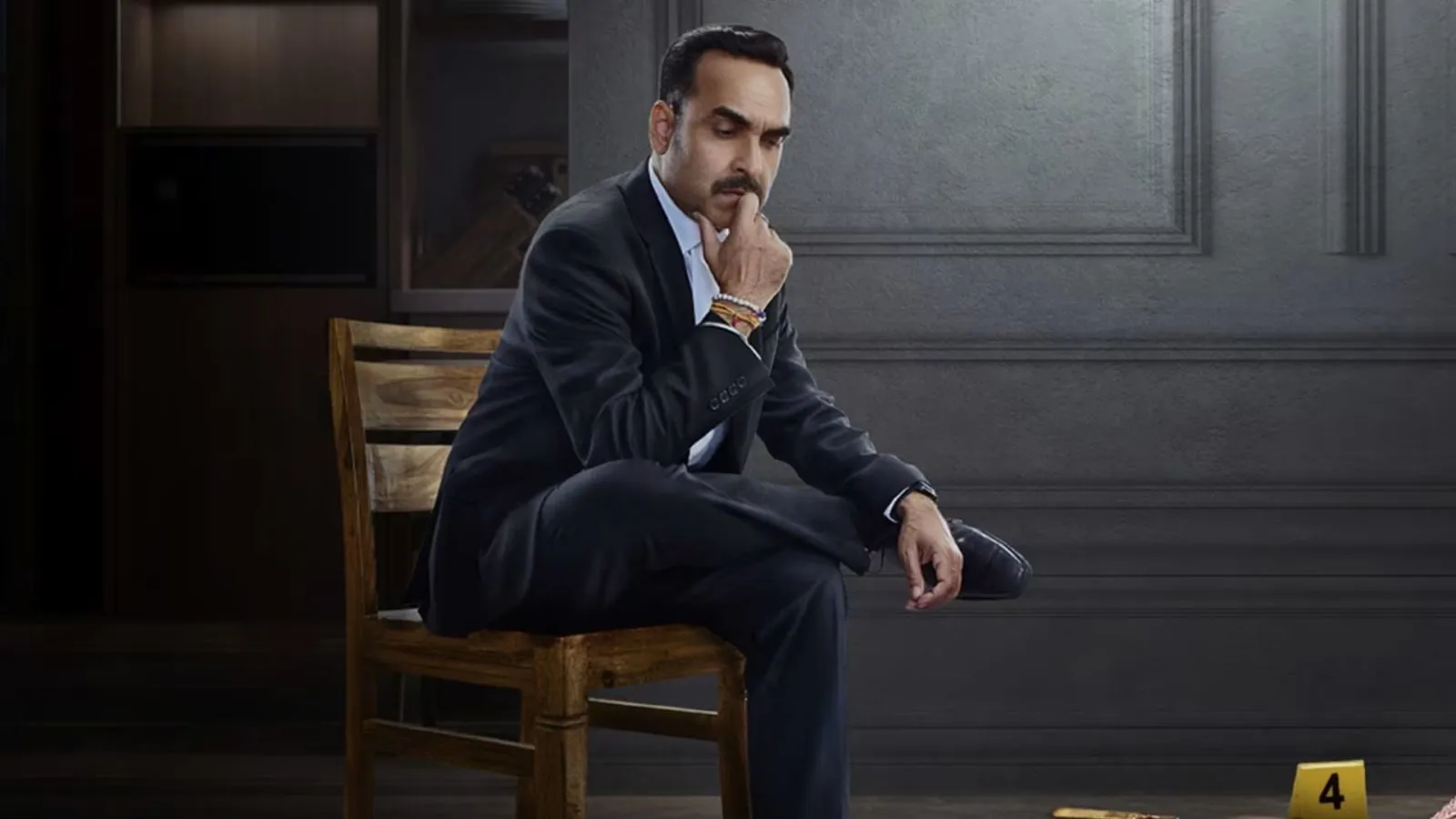 Criminal Justice: A Family Matter (BBC Studios India)
Madhav Mishra Uncovers Hidden Truths Amid Family Secrets And Intense Courtroom Tensions
Madhav Mishra defends Raj against tough opponents, including Public Prosecutor Lekha Agastya and Mandira Mathur. Courtroom tension rises with revelations about Raj’s family, Roshni’s ex-fiancé, and intimate details of Raj and Anju’s past. The narrative keeps viewers guessing by shifting suspicion between Raj and Anju. Madhav’s strategies, keen observations, and understanding of human behavior are central to how the case unfolds, making the legal battle engaging despite the absence of high-octane drama.
The turning point comes when Ira reveals crucial information in court. Through a secret handshake and careful questioning, it is uncovered that the murder weapon was accidentally moved by Ira during a confrontation between Anju and Roshni. Madhav also discovers that Roshni had been deliberately making Ira sick with diabetes medication, adding motive to the struggle. These revelations shift suspicion, and Anju initially takes the blame to shield her family, creating the season’s courtroom climax.
The final revelation shows that Raj was actually involved in the confrontation with Roshni that led to her death, while Anju covered for him. She admitted to taking responsibility to prevent Raj from facing jail time and to ensure Ira would not be left alone. This twist resolves the central mystery but also highlights moral complexity and ethical dilemmas. Critics argue the ending is anti-climactic, as it renders much of the prolonged courtroom drama unnecessary and questions the reasoning behind Anju’s prolonged deception.
Criminal Justice: A Family Matter focuses on the intersection of family, morality, and the law. The series delivers careful pacing, character-driven storytelling, and a courtroom framework that keeps viewers invested. Pankaj Tripathi, Mohammed Zeeshan Ayyub, and Surveen Chawla deliver memorable performances that bring the story to life. While some plot choices feel drawn out and the ending is subdued, the season successfully examines how familial loyalty and personal sacrifice can influence legal outcomes, leaving viewers with both resolution and moral reflection.