
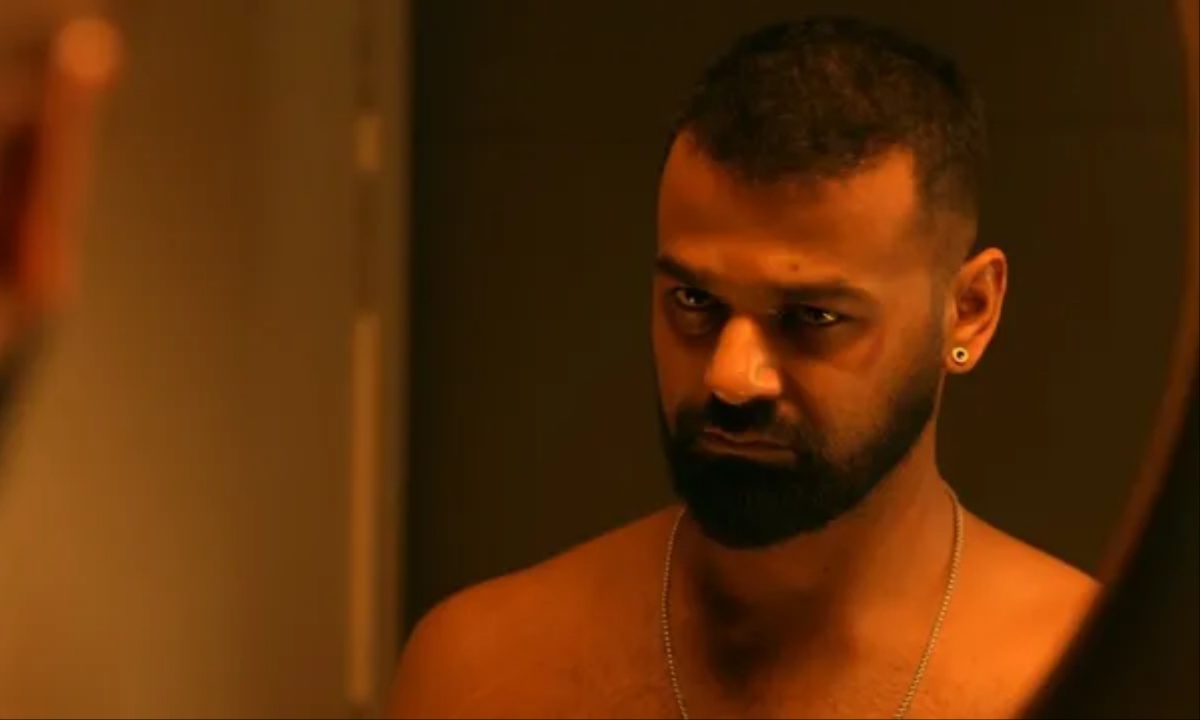
Rahul Sadasivan’s Dies Irae presents itself as a distinctive entry in Malayalam cinema. The Latin title, which means “Day of Wrath,” hints at reckoning rather than simple hauntings. The film uses striking visuals and sudden jump scares, yet its true strength lies in tension, atmosphere, and psychological unease.
Whispering winds, fleeting shadows, and faint, unsettling sounds create a thick, eerie ambiance that pulls the viewer into Rohan’s unsettling experiences. The narrative explores the idea that humans may face repercussions for their actions as intensely as they fear spiritual forces. This duality between inner guilt and external supernatural threats sets the film apart from typical horror stories.
At the center is Rohan, played by Pranav Mohanlal, son of the legendary actor Mohanlal. Rohan is wealthy, privileged, and surrounded by luxurious amenities. He enjoys extravagant gatherings, indulgent pleasures, and treats many people with indifference. This characterization establishes the stakes for his journey.
His arrogance, casual disregard for others, and superficial lifestyle suggest that his ethical failings might play a significant role in the eerie events he encounters. Rohan’s narrative becomes not only about facing terrifying phenomena but also about confronting his own moral shortcomings.
The story begins with Madhusudhanan, a contractor with prophetic abilities. During a worksite incident, a tea glass shatters, triggering visions of a grim event involving Kani, a young woman who ends her life by leaping into a well. Her death becomes the catalyst for the supernatural events that follow.
Madhusudhanan watches the aftermath with distress, establishing him as a mystical guide whose insights will be essential to navigating the unfolding terror. This sequence sets up the theme that attachments, emotional entanglements, and unresolved feelings from past lives or relationships can manifest in disturbing ways for the living.
 Dies Irae (Home Screen Entertainment)
Rohan Discovers Kani’s Death, Takes Hair Clip, Awakening Haunting And Supernatural Consequences
Rohan learns of Kani’s passing and recalls she was once his classmate. Their past includes a brief, intimate connection that Rohan abruptly ended. Driven by curiosity or guilt, he visits Kani’s residence. Her sibling, Kiran, is detached yet clearly burdened by her memory.
During his visit, Rohan takes one of Kani’s hair clips, an act that unwittingly forms a supernatural link. This small, careless gesture triggers a haunting, illustrating a recurring theme: seemingly trivial actions can have severe, long-lasting consequences when combined with unresolved emotional energy.
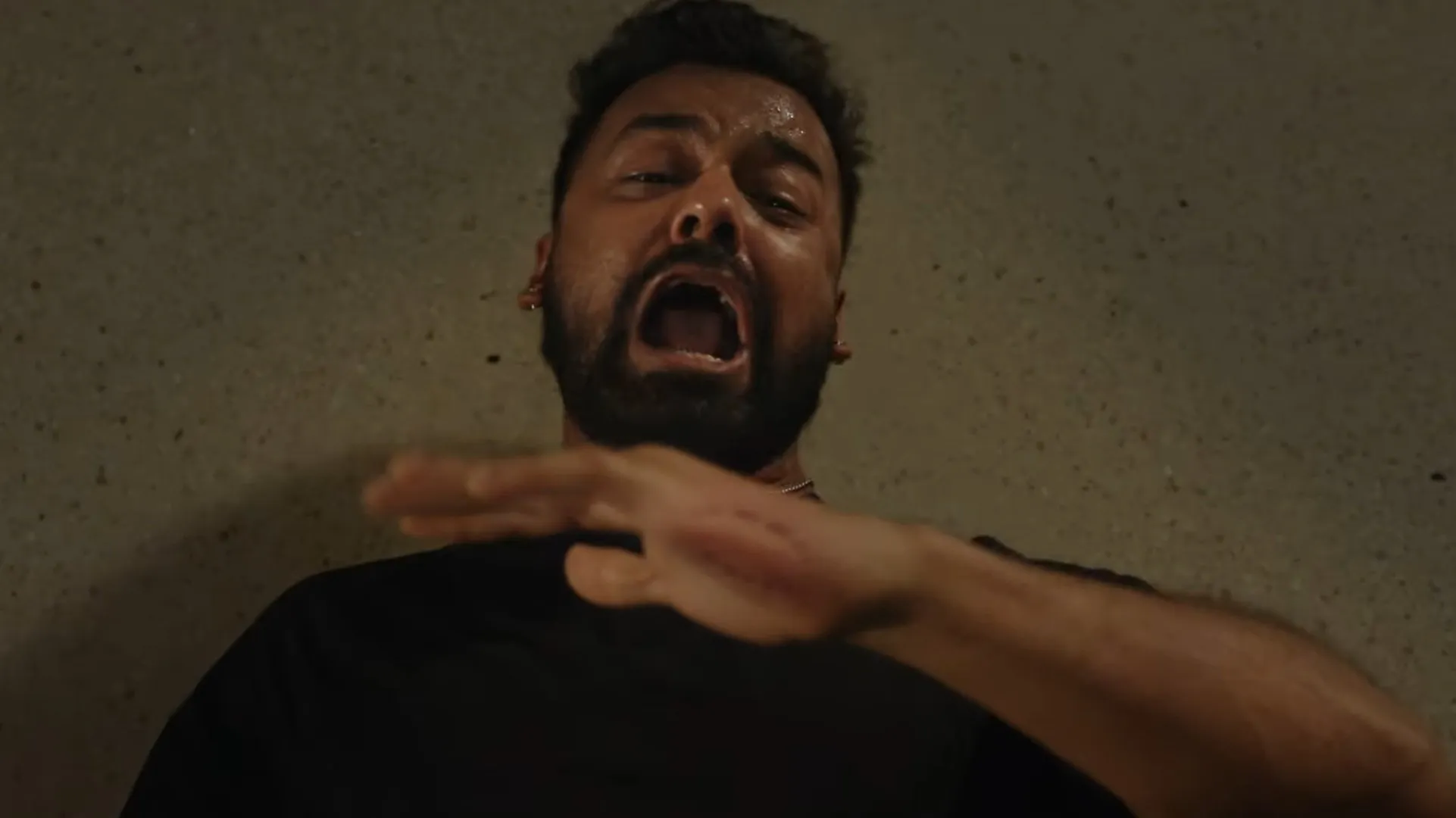
Back at his lavish home, Rohan experiences unsettling phenomena. He hears the jingling of anklets, senses a presence in bed, and even experiences violent interactions with an invisible force. These occurrences intensify nightly, blending psychological tension with supernatural terror.
Despite the danger, Rohan refuses substantial assistance, choosing to endure the events alone. Suspense is built through subtle yet unnerving details rather than repetitive loud shocks, making the haunting feel credible and terrifying. Each incident underscores the narrative’s focus on the interplay between fear, guilt, and consequence.
Unable to manage the terror, Rohan seeks Madhusudhanan’s guidance. Despite rituals intended to calm the spirits, disturbances continue. A violent incident involving Kiran reveals that the entity haunting Rohan is not Kani. Instead, the spirit belongs to a man named Philip, whose connection to Kani’s personal belongings explains the supernatural activity.
This discovery highlights the film’s deeper message: spirits are often linked to unresolved human relationships, and the past can intrude in the present in unexpected ways. Rohan must now unravel these links to protect himself and those around him.
Investigating further, Rohan and Madhusudhanan encounter Elsamma, a former domestic helper in Kani’s household. Philip, Elsamma’s son, had an unexpressed affection for Kani but was socially awkward and terminally ill. Elsamma, driven by grief and desperation, uses dark practices to bind Kani’s belongings, including anklets and hair clips, to Philip’s spirit.
These objects become conduits for the haunting that targets Rohan. This segment of the story demonstrates how extreme maternal devotion, grief, and obsession can have terrifying consequences. The haunting is not just a spiritual disturbance but a reflection of human emotions and attachments amplified through mystical acts.

 Dies Irae (Home Screen Entertainment)
Rohan Confronts Danger, Burns Cursed Items, Faces Spirits, Guilt, And Moral Reckoning
In the climax, Madhusudhanan finds Rohan unconscious with Philip’s corpse nearby. A tense struggle ensues between Rohan and Elsamma. Ultimately, Rohan destroys the anklet-bound items, burning parts linked to Philip’s spirit, which halts the haunting.
The estate is engulfed in flames, symbolizing purification and the destruction of malevolent energy. This segment mixes physical peril with supernatural tension, marking Rohan’s growth as a character. He transforms from a self-absorbed individual into someone capable of facing danger and taking moral responsibility for past mistakes.
Even after the house is destroyed and Philip’s spirit neutralized, the narrative leaves the viewer with a chilling final twist. Rohan, now back in the United States, hears anklets again and sees a shadowy presence.
This time, it is clearly Kani’s spirit, suggesting that guilt and unresolved emotions cannot be easily escaped. The ending is deliberately ambiguous, reinforcing the idea that supernatural consequences mirror human failings. The film concludes on a note of suspense, leaving audiences to grapple with the enduring tension between past actions and spiritual reckoning.
Dies Irae excels in its atmospheric construction, sound design, and visual storytelling. Rahul Sadasivan’s direction uses silence, space, and precise lighting to heighten tension effectively. Some narrative threads are only hinted at rather than fully developed, but Pranav Mohanlal’s performance provides significant emotional depth.
The film balances psychological unease, supernatural terror, and ethical reflection, establishing itself as a high-quality entry in recent Malayalam horror cinema. Its careful blending of morality, haunting, and suspense ensures a lasting impression on viewers.