
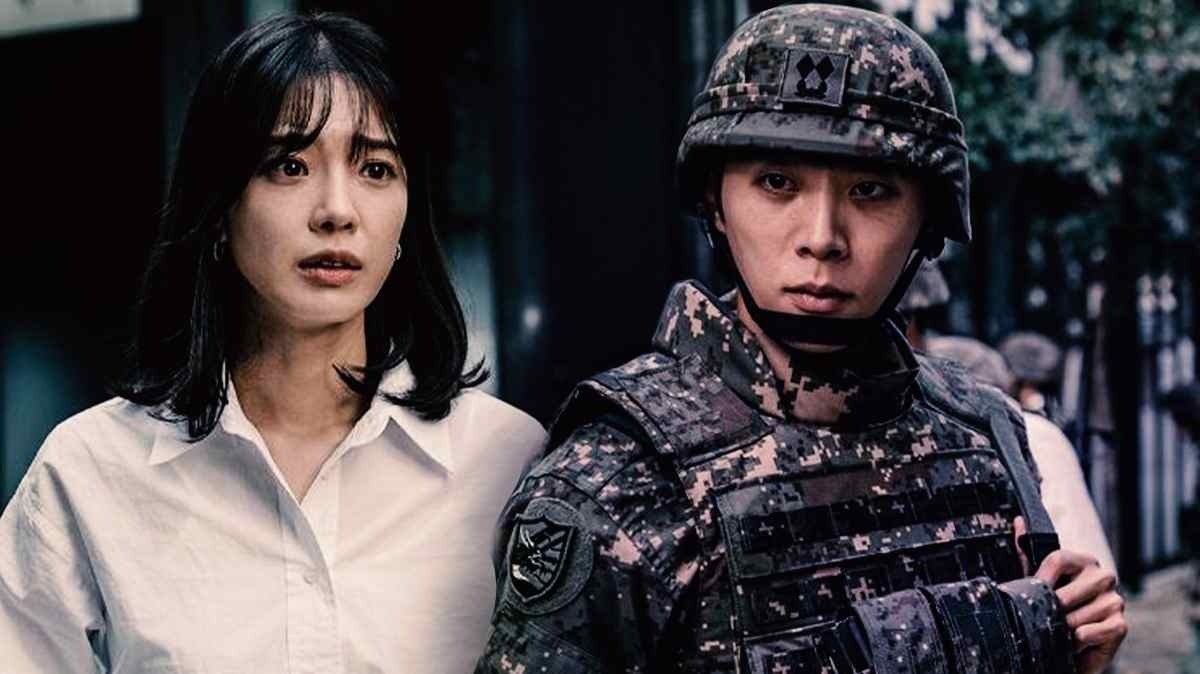
At the heart of “Duty After School,” what begins as a typical school day soon takes a strange direction that nobody sees coming. A group of high school students suddenly find themselves recruited to fight an unknown alien threat. These young people, who are still adjusting to normal teenage life, are thrown into a battleground without warning.
The government’s decision to involve them in this mission raises serious concerns, but the situation escalates so quickly that questions are set aside. From the beginning, the story changes between fear, panic, and a strange kind of acceptance. Instead of the usual youthful worries like crushes or exams, these students are now concerned with staying alive and defending humanity.
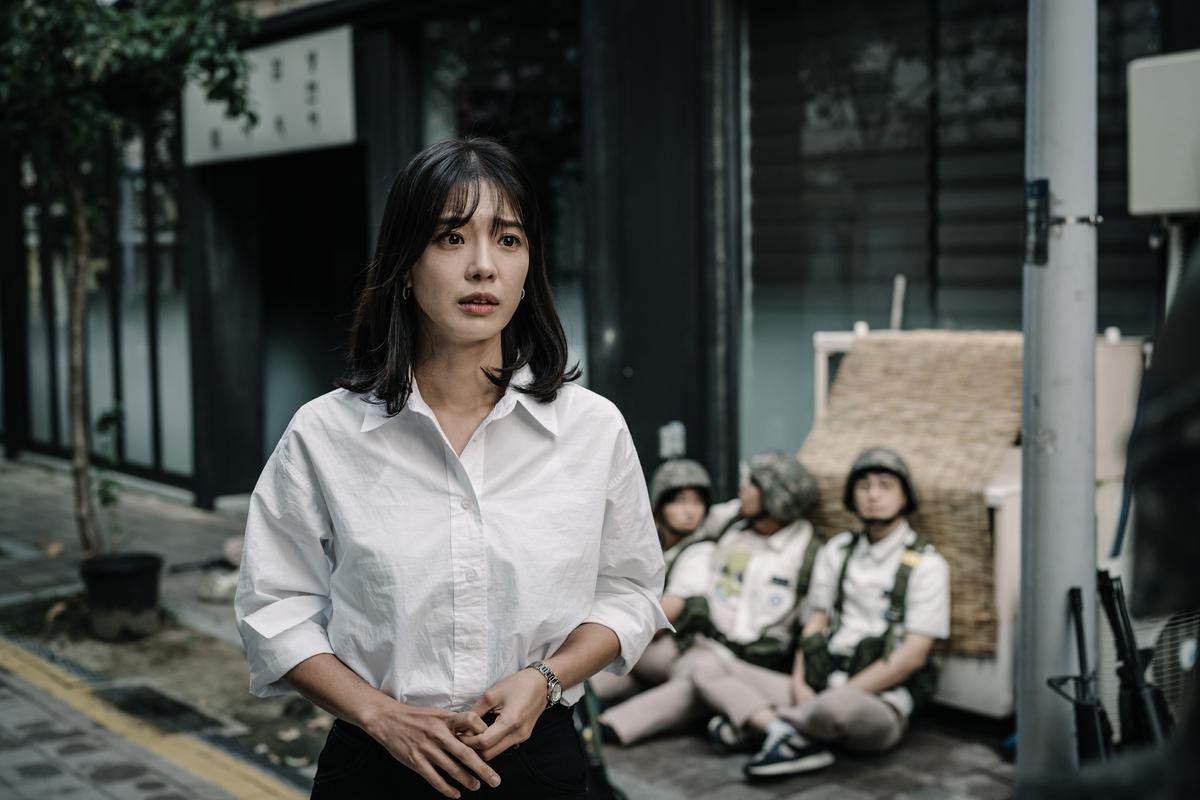 Fear made them freeze—duty made them move (Photo: Duty After School/Studio Dragon in collaboration with GTist)
Through this change, the series gives space for friendship, loss, regret, and quiet courage to rise up in unexpected ways. By the time everything comes to a head, the group is no longer made up of inexperienced children.
They have grown into fighters, not just with weapons but also with awareness and emotional strength. The last stretch of the show focuses on how far they’ve come and whether their effort has been worth the sacrifice.
The Fight That Changed Everything
As the alien balls continue to spread, threatening more areas, the students must begin operating like real soldiers. The government continues using them as front-line defense, while information is kept away from the public. What pushes the tension further is that these teenagers must go through this journey without the full truth.
Nobody tells them where the aliens came from, or what long-term plans the government has. Instead, their tasks become more demanding, and the reality of what they are fighting becomes even more frightening.
Over time, characters that initially appeared weak or timid begin to reveal a different side of themselves. Some students step up and take charge when their leaders fall.
Others experience internal conflicts that change their loyalty, while a few begin to question the entire system. The alien attacks don’t just test their physical strength but also challenge their beliefs about justice, duty, and survival.
One of the show’s most emotional moments happens when members of the team are lost. Their absence is not treated like just another event. Each death leaves a hole in the group, especially when they have to keep moving like nothing happened. This slow build-up of emotional pressure becomes heavier as they near the final confrontation.
As more truths are exposed, it becomes clear that there are layers to the military’s strategy that the students never understood. Some scenes quietly suggest that these children were never meant to come out of the war alive. That possibility begins to weigh on the team, especially for those who have become deeply aware of their position in a larger scheme they can’t fully control.
Sacrifice, Control and Unanswered Questions
As the season reaches its most intense point, the team finds itself under the authority of an instructor who seems more loyal to the mission than to the lives of the students. This instructor, instead of protecting them, takes strict measures that some begin to see as harmful. His sense of order slowly turns into coldness, and the divide between the students and authority grows wider.
One particular moment in the closing episodes causes a split among the team. A betrayal takes place within the group, and the shock of it pushes some students to break from orders entirely.
Instead of following commands, they begin to take control of their own survival. This marks a turning point where loyalty is no longer to the nation or their mission but to their fellow classmates.
This change in focus allows them to begin making different choices. They stop waiting for adults to come save them and start doing what they believe is right. That decision leads to consequences they must accept, whether it’s imprisonment or death. In the final episodes, these consequences are made clear, but not every action is punished. Some choices bring peace, even if it is brief.
The ending does not provide easy answers. Not every character finds resolution, and several are left with open wounds—some emotional, some physical. While some members of the team survive and return to a life that might be called normal, others carry the weight of what they experienced.
The show does not spend much time offering explanations or hope. Instead, it places attention on how these young people will continue to live with what they have done and seen.

Even those who survive carry heavy guilt. A few blame themselves for decisions that led to the death of their friends. The last minutes of the season carry a silence that speaks louder than dialogue. There is no dramatic celebration or reunion. What the audience sees instead is quiet reflection and people who will never be the same.
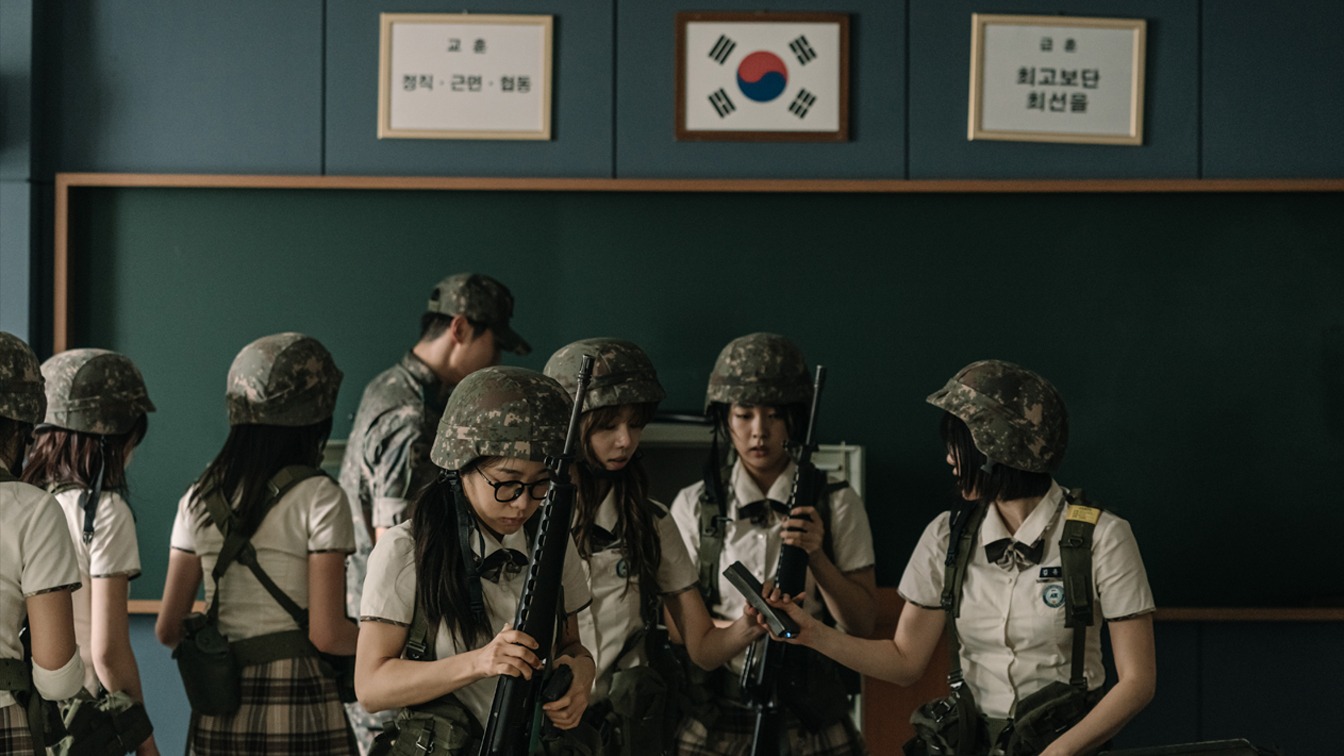 Not all uniforms are worn by choice (Photo: Duty After School/Studio Dragon in collaboration with GTist)
Memory and Meaning After the Fight
By the last episode, the theme of memory becomes more present. The students begin to realise that what they carry with them—both the pain and the strength—will stay long after the fighting stops. Some try to forget by returning to daily routines. Others hold onto memories as a way of honoring those who didn’t make it.
A few flashback scenes show moments of laughter and peace before the war. These memories serve as a reminder of what was lost, but also why they fought in the first place. Their friendships, which were formed under pressure, have more value because of the context in which they grew.
Even though the show started with action and a fast-paced threat, it ends by showing that survival is not only about staying alive during the fight. It’s about how you live after the fight is done. What is left behind is not just physical damage but mental scars that the students must carry into their future.
The military’s absence after everything is over is noticeable. They do not provide any psychological help or public support for these young survivors. The silence from the adults around them creates more questions. Were they just used? Was their pain worth anything to the government? These are the kinds of thoughts the series leaves hanging.
The full season of “Duty After School” is currently available for streaming on Viki and TVING. Viewers who wish to watch from the United States can access it through these platforms.
The show’s ending might not tie everything up neatly, but it delivers something more personal—how young people react when placed in a position no one should ever have to face.