
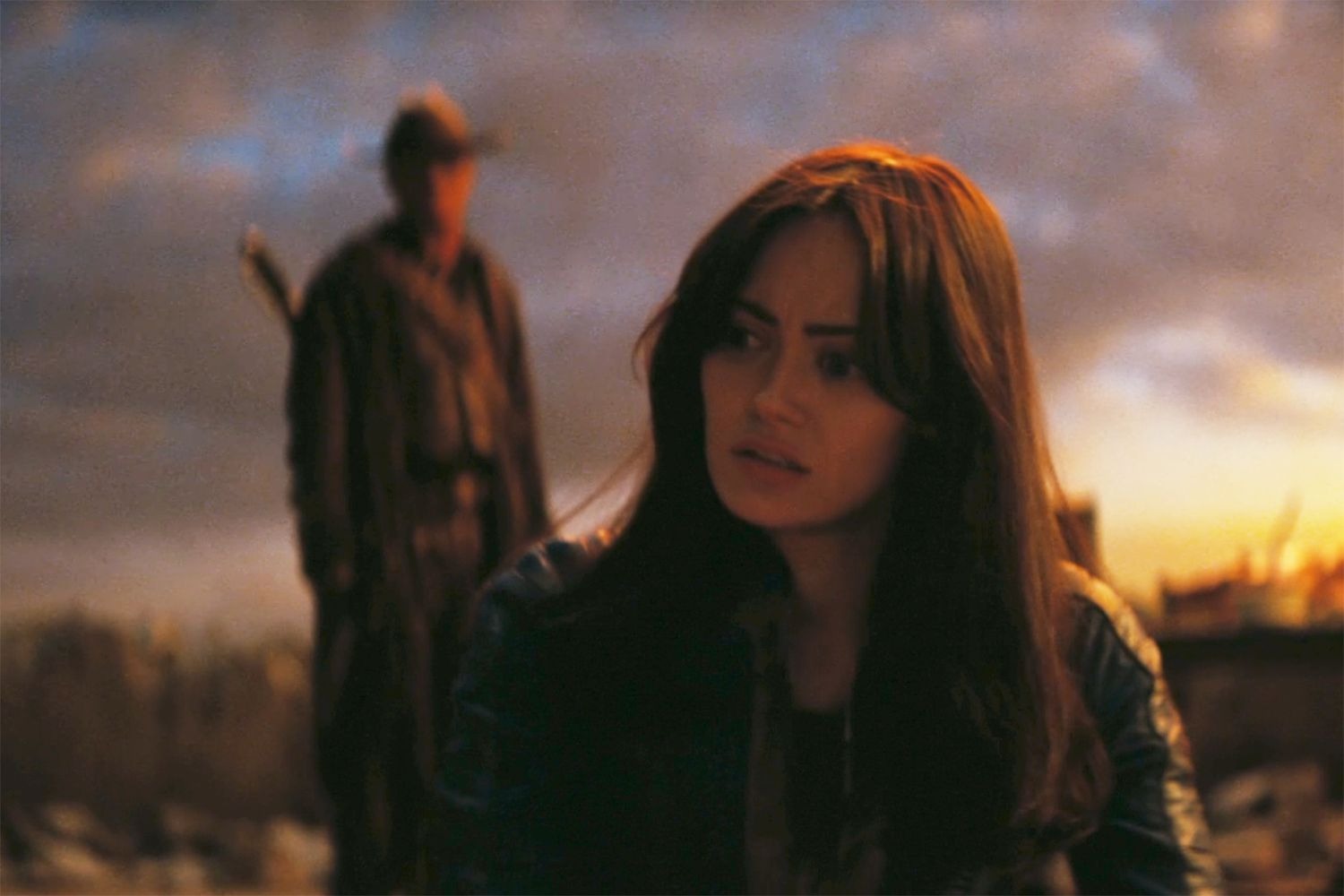
Fallout Season 1 ended in a way that showed how survival shaped people, how power changed hands, and how the choices made in a broken world carried deep moral weight. From the moment the final episode kicked off, two paths started to emerge—each with a cost and a promise in a world that needed both fire and rebuilding.
This is not a story that wrapped neatly. It left open questions about who would lead, who would rebuild, and what humanity could look like in radioactive dust and old world ghosts.
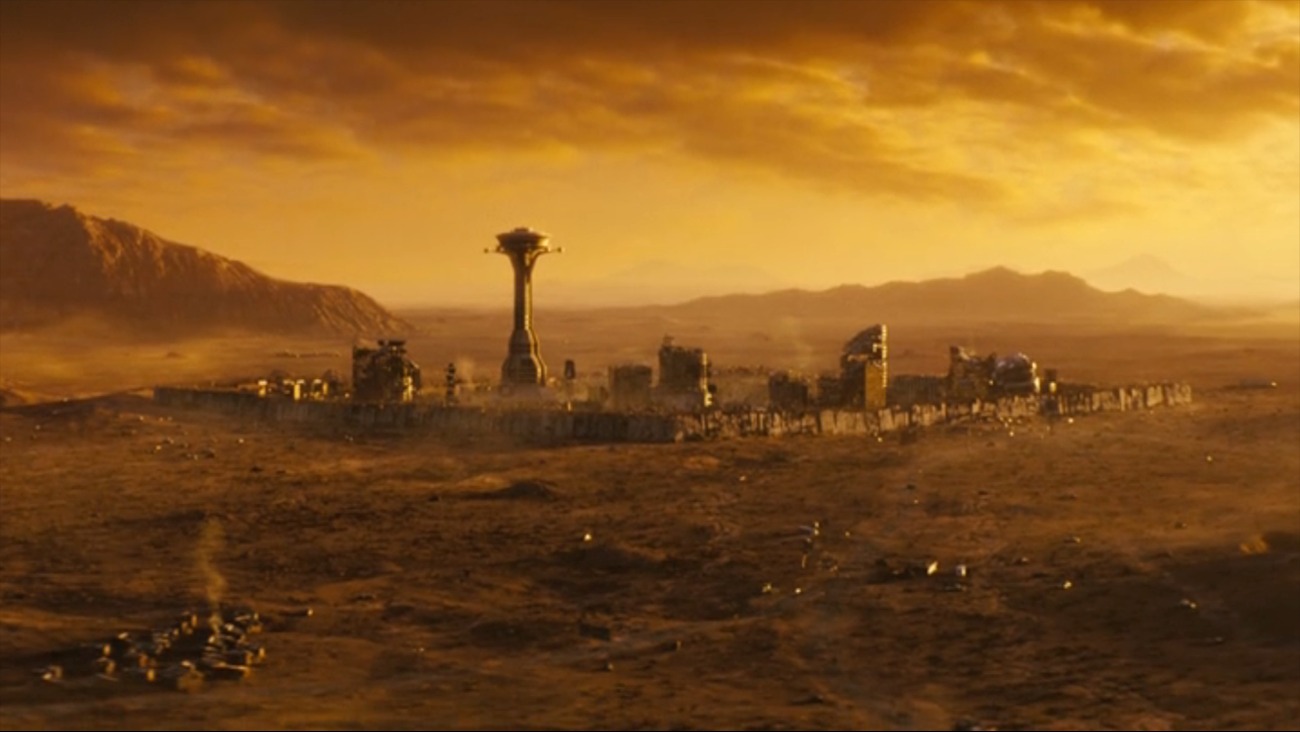 Rebuilding meant choosing between control and compassion (Photo: Fallout (Amazon Prime) Season 1/Kilter Films)
When the final chapter began, the various factions faced a decision about whether to use the remaining nuclear shelters for domination or reconstruction. The Brotherhood of Steel wanted to control technology and rebuild society from the ashes.
The New California Republic saw an opportunity to expand governance. Meanwhile, the Vault Dwellers held intimate knowledge of the pre-war world and a unique empathy born from survival underground.
Their final moment was not a reunion or celebration. They stood in the open wasteland, listening to people argue, plead, and threaten—trying to figure out whether they would step forward to lead or step away from bloodshed.
The Brotherhood and Their War Machines
Elder Maxson and his knights arrived with heavy armour and heavier demands. Their weapons carried old world force. They believed only they could guard humanity’s future with science and discipline. Yet they carried the marks of fanaticism. In the finale they took over a refugee town, naming it their fortress.
They offered safety in exchange for obedience. That transaction made people feel both reassured and afraid. The way they established control—fast, visible, uncompromising—showed their commitment but also reminded viewers how easy it is to trade freedom for protection.
Maxson’s commitment to using power for progress came with a price. He overlooked moments that required empathy. In one scene he refused to listen to a rescued child who had nightmares of being locked away in vaults.
The silence he gave revealed how detached he was from fear born of trauma. His soldiers marched behind him without questions, but the residents did not know whether they were following a saviour or a new overlord.
The Vault Dwellers and Their Vision of Rebirth
On the other side stood the Vault Dwellers—Lyn, Jonah, Rose, and Hank—their bond forged underground. They brought no armies, only a vision born of survival. They had experienced humanity in its quietest moments—birthdays in cramped rooms, whispered stories about lost worlds, and the hope that comes from holding breath together.
In the finale, they stood at an abandoned power plant that once supplied electricity to millions. They connected wires, flipped switches, and let lights flicker to life over broken buildings. That moment gave them joy, but also awareness of the responsibility they carried.
They did not demand control. They asked to help. They shared their knowledge of greenhouses, clean water, and medicine harvested from the desert. The contrast between them and the Brotherhood became clearer. Where the Elder demanded, the Dwellers offered. Where power was taken, trust had to be rebuilt. Their model was one of consent and community.
NCR’s Uncertain Hand in the Game
The New California Republic arrived last. Their representatives carried paperwork, maps, and promises of solidarity. They did not come with guns at first, just pens. Yet their arrival terrified some survivors. Would bureaucracy work when bullets spoke louder than signatures?
When asked to provide the Brotherhood room to advance into vault technology, the NCR delegates hesitated. They talked of elections, votes, and constitutions, but those words sounded fragile in a land where people died in silence.
Their final promise was to provide resources if the Brotherhood would commit to returning technology for public use. The Brotherhood hesitated. They suspected that once technology left their control, their power—and vision—would also leave.
The NCR delegates left the negotiation camp with quiet confidence, but their faces carried uncertainty. Their fate would depend on whether they could turn hope into action before others took what they wanted.

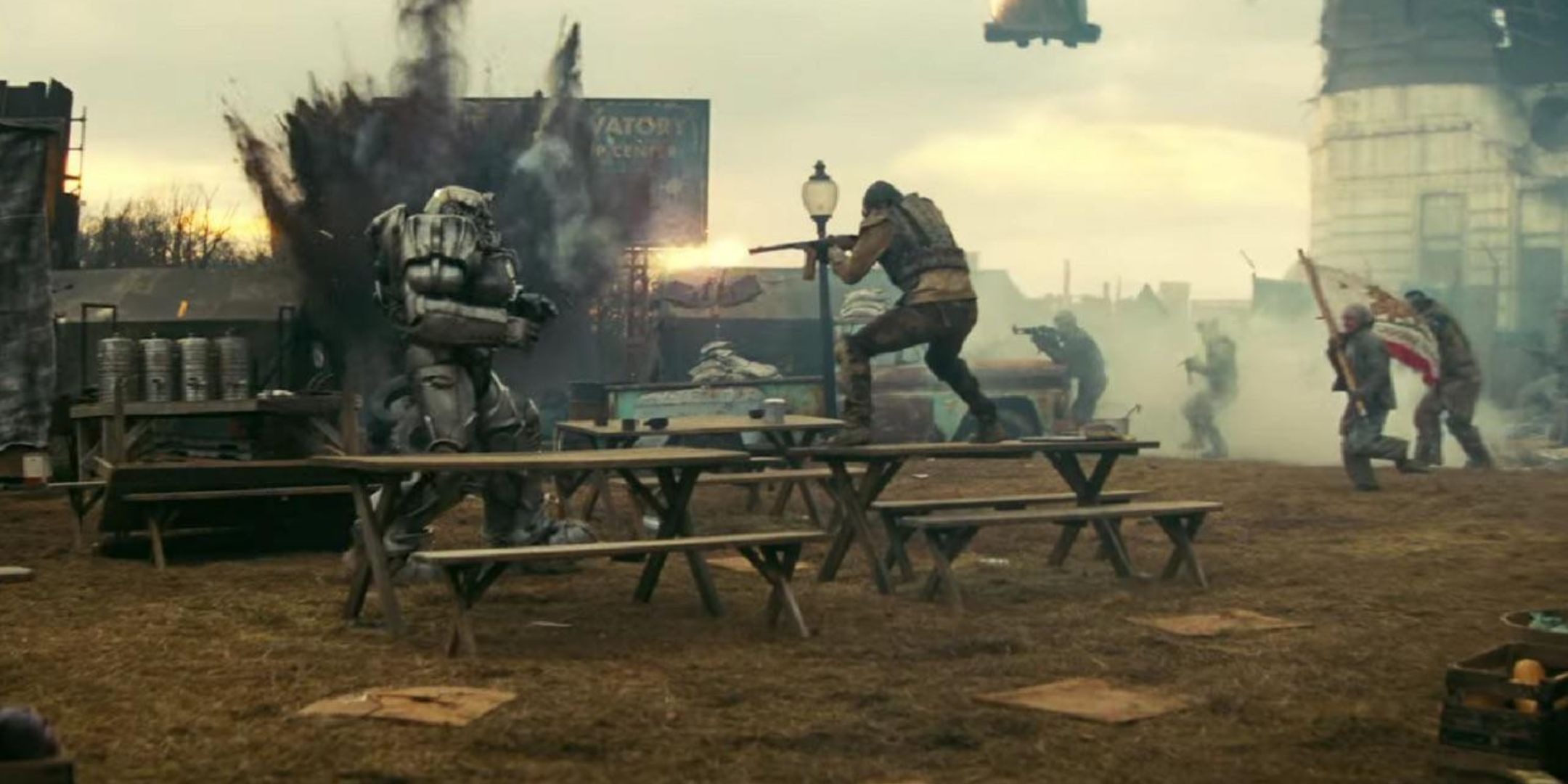 Old world shadows shaped new world choices (Photo: Fallout (Amazon Prime) Season 1/Kilter Films)
Moments That Carried Moral Weight
Several scenes made clear how little room existed for easy answers. A Brotherhood Paladin was seen boarding a train with young children, clutching rifles while looking uncertain.
He whispered to a rescued family, asking if they would stay and be guarded. The children shook their heads. That moment focused on how trauma drives people away from the strongest protectors and toward those who listen first.
A Vault Dweller hugged survivors who had lost everything, reminding them that home is more than walls. She spoke of restarting shared meals, medical tents, and school lessons taught aloud. It was a quiet scene—but it spoke louder than speeches. It reminded viewers that rebuilding meant taking time for kindness.
An NCR delegate walked the battlefield where children had scavenged toy cars. He picked up one, turned it, and stared down before leaving it there. That gesture suggested that hope might still mean holding onto small things when everything else has collapsed.
What the Final Decision Told Us
By the end, the three groups stood around a fire ring built from old metal. Brotherhood knights, Vault Dwellers, and NCR officials faced each other. Maxson finally offered a conditional truce—vault technology would be shared if the Dwellers led reconstruction efforts and the NCR would fund medical projects.
It was a compromise built on tension but held by mutual need. None of them smiled. None of them shook hands. Instead, they all lowered their weapons and lights flickered.
That moment signalled the end of Season 1. No one had full control yet. Everyone carried wounds, doubts, or hidden fears. But something had begun. A reckoning of old promises, new power, and shared mistakes.
It gave energy for a future chapter: would trust survive next season? Or would someone grab power and rule with iron again? Fallout Season 1 is available for streaming on Amazon Prime Video. Check its library based on your region.