
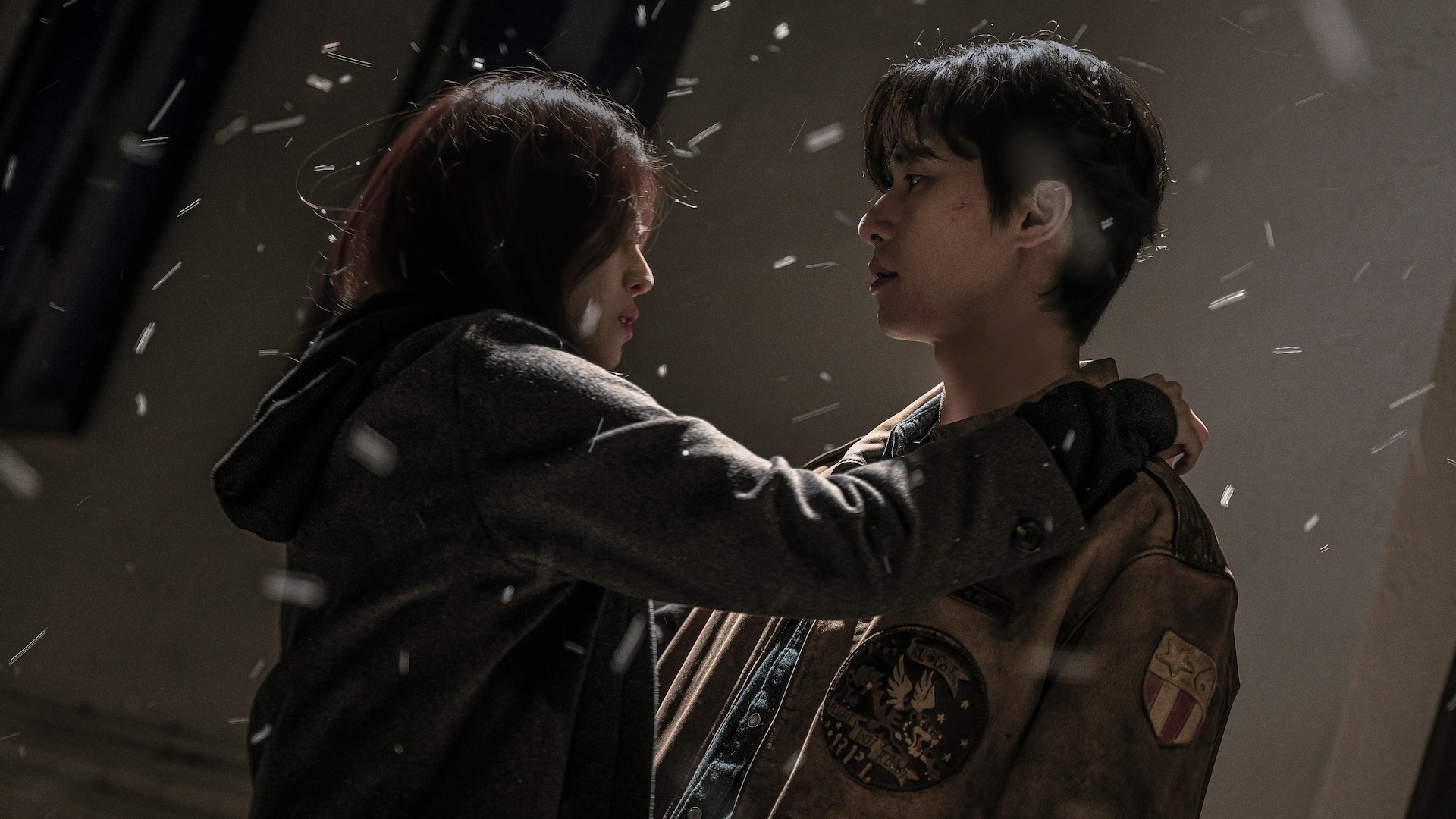
Gyeongseong Creature Part 2 brought the story to a tense and emotional point, where each character had to reckon with what had already been lost and what might still be saved. The show, set in a time of deep unrest and brutality, managed to tell a story that balanced human emotion with horror drawn from both real historical cruelty and a fictional threat.
As things reached their peak, every decision started to carry more weight, and by the time the last scenes arrived, the consequences of earlier choices became difficult to ignore.
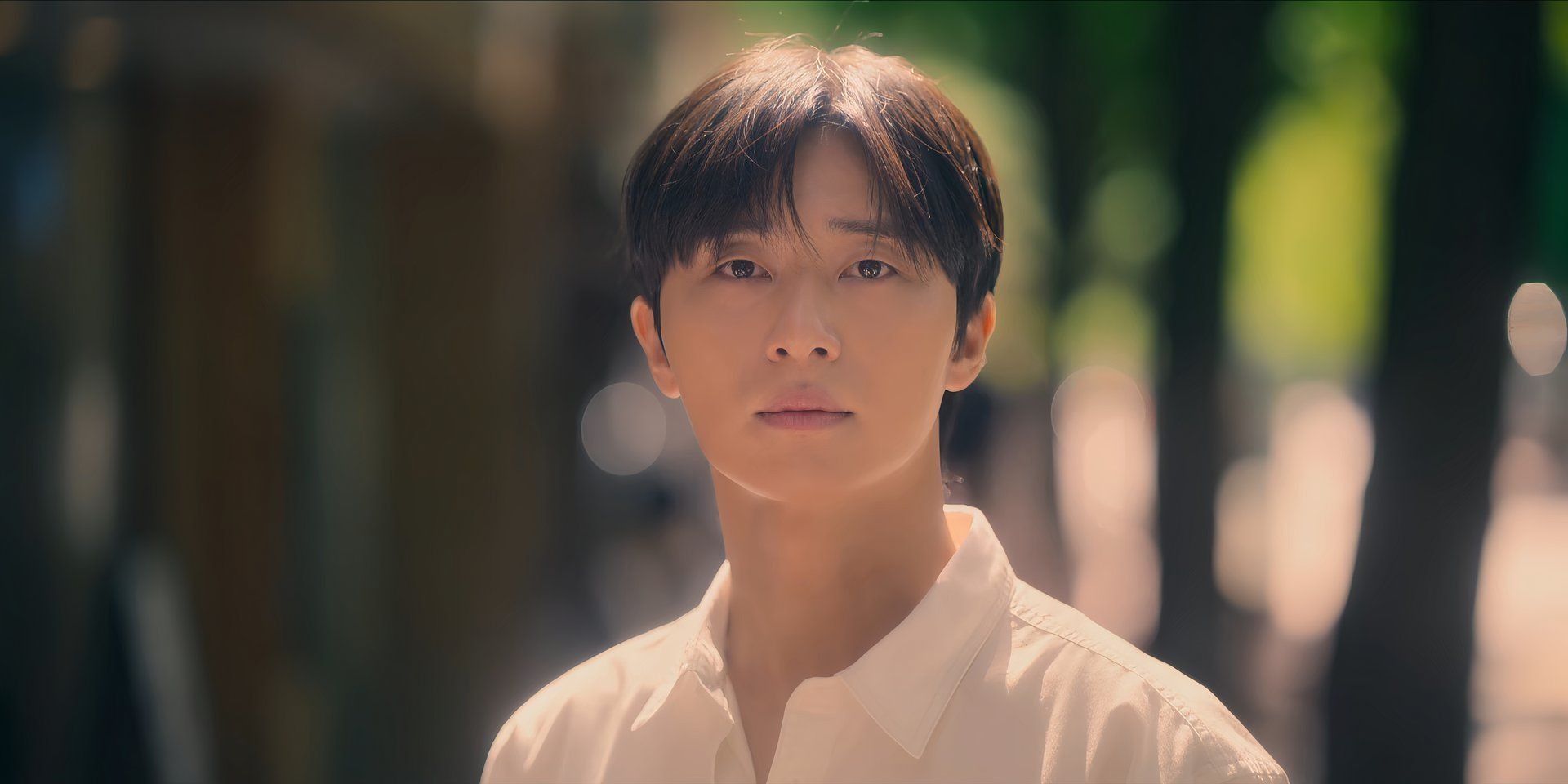 In a city full of monsters, humanity was the rarest thing left (Photo: Gyeongseong Creature Part 2/Netflix)
The first part had already exposed the terrible nature of the experiment that created the Najin creature. But the second part gave deeper attention to the emotional struggles tied to survival, sacrifice and loyalty. It was not just about monsters anymore. It was about how fear changes people, and how some decide to fight while others allow fear to consume them.
Jang Tae-sang had already stepped far from his original self. From the moment he chose to get involved with the strange happenings at Ongseong Hospital, his comfortable life as a businessman with questionable morals had started to fall apart. But that destruction also opened up a part of him that had stayed hidden for too long.
Choices Made in Desperation Pushed the Story Forward
Tae-sang’s transformation came from more than physical danger. He began to understand that safety built on silence could no longer be justified. His love for Yoon Chae-ok added another layer to that realisation.
She was brave in a way that forced him to become more than what he had been. But caring for someone in the middle of horror does not mean that love will be enough to protect them.
The second part of the series did not waste time trying to give clean answers. The more Tae-sang discovered about the Japanese experiments, the more he saw how far people were willing to go when given power without responsibility. And at the centre of it was a creature made from human pain, one that still remembered who it had been before everything went wrong.
Chae-ok’s father had been taken by that same horror, and the mission to find him had already consumed so much of her. But what she uncovered about his fate could never be erased. Watching a loved one become part of the very thing you are trying to destroy carries pain that cannot be undone.
The Monster Was Never Just a Monster
One of the heaviest emotional turns in part two was when it became clear that the creature was not just a weapon. It had memory. It had pieces of the person it used to be. This made things more painful than expected. Killing it meant putting an end to something once human. But leaving it alive risked more destruction.
For Chae-ok, the hardest part was deciding if her father was still inside the creature. Could she save him, or was that hope only going to bring more sorrow? That question drove her actions toward the end of the series. She wanted justice, but she also wanted peace for the man she loved and the father she barely recognised anymore.
The scientists who had allowed this nightmare to exist were not painted as mindless villains. Instead, they were shown as people who had lost their sense of right and wrong, hiding their choices behind claims of duty and ambition. It was clear that they were just as broken as the things they created.
Personal Pain Became the Fuel Behind Every Fight
By the time everything started closing in, there was no more room to hesitate. Tae-sang and Chae-ok had to act, even when their decisions meant risking everything. Their relationship had grown from quiet understanding into a connection that gave them strength when their surroundings tried to crush them.
But strength does not mean safety. Chae-ok made a decision close to the end that changed the direction of everything. She chose to end her father’s suffering by destroying the creature he had become. That choice took away her last hope of bringing him back, but it also removed the threat he had become.
Tae-sang, watching this happen, realised the depth of her pain. She was not broken by it, but she was marked by it forever. Their shared grief created a silent bond. Both had lost family. Both had sacrificed. And both had to keep moving even after it felt like there was nothing left to protect.
Revenge Could Not Bring Back What Was Lost
One of the strongest themes in part two was the way revenge can slowly destroy the person holding it. Many characters believed that making the people behind the experiments suffer would give them peace. But the story made it clear that violence did not erase memories. It only added more weight to carry.
Tae-sang faced this when he had the opportunity to kill those responsible. He knew that blood would not fix what had been done, but he also knew that letting them go would mean giving them space to hurt others. He had to choose between becoming the same as them or finding a way to stop them without losing himself.
The story did not give an easy answer. It showed that sometimes, there is no clean choice. Sometimes survival itself feels like a kind of betrayal, especially when others have died just to make that survival possible.
The Ending Brought Together Two Timelines
Towards the final scenes, the show took a creative step by jumping forward in time. This part introduced a new version of Tae-sang, or at least someone who looked exactly like him. That twist opened the door to more questions. Was this a descendant? A clone? Or someone carrying the same burden into a different era?

What was clear is that the creature, or something like it, still existed. That meant the danger had not fully been removed. Even with everything that had happened, the story refused to end on a fully settled note. Instead, it suggested that some wounds never close completely.
The people of Gyeongseong had faced horrors that reached beyond normal understanding. They fought not just for survival, but to hold on to something human inside them. And even though some characters did not live to see peace, their actions made it possible for others to have a chance.
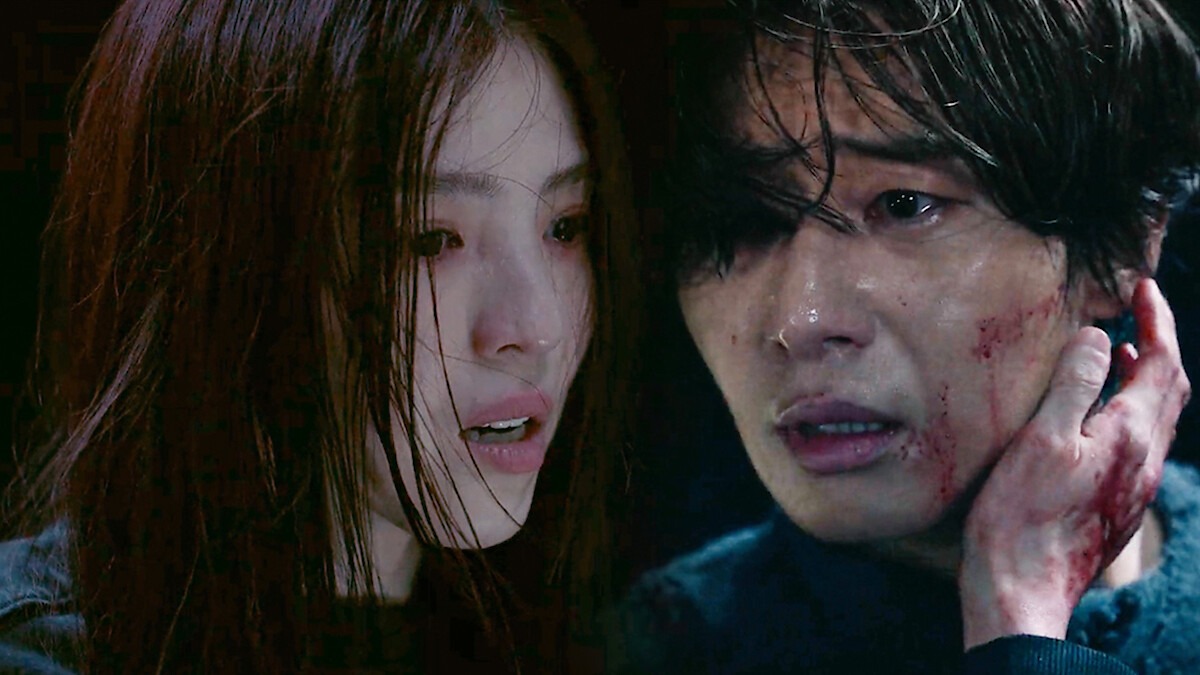 Choices cut deeper than claws (Photo: Gyeongseong Creature Part 2/Netflix)
Emotions Were Never Pushed Aside for Action
One of the reasons Gyeongseong Creature managed to keep its depth even with all the intense scenes was that it allowed characters to feel fully. It did not rush through grief, or gloss over the emotional cost of what was happening. Each loss felt personal. Each victory came with its own burden.
The connection between Tae-sang and Chae-ok became more than romantic interest. It showed two people trying to carry each other through pain they could not fully understand. They were not perfect heroes. They were human beings trying to stay upright in a world that kept tearing them down.
The final minutes did not need loud declarations. Instead, they used quiet emotion to say everything that needed to be said. A final look. A silent farewell. A feeling that even though this chapter had closed, the story would not be forgotten.
The Past Still Had Its Grip on the Present
Even after everything, the show left space to think about how the past continues to affect what comes next. The future might carry different names and faces, but the pain passed down from what had happened in Gyeongseong would not disappear so easily.
By using a historical setting, mixed with science fiction and horror, the series told a story about control, memory and resistance. It reminded viewers that cruelty often hides behind uniforms and medical tools. And that even in those darkest spaces, there are people willing to fight for what is right.
Gyeongseong Creature Part 2 showed that monsters are not always created in the dark. Sometimes they are made in plain sight, with permission, with science, and with silence. And sometimes, the only way to fight them is with human bravery that refuses to break, no matter the cost.
The full episodes of Gyeongseong Creature, including Part 2, are currently available for streaming on Netflix.