
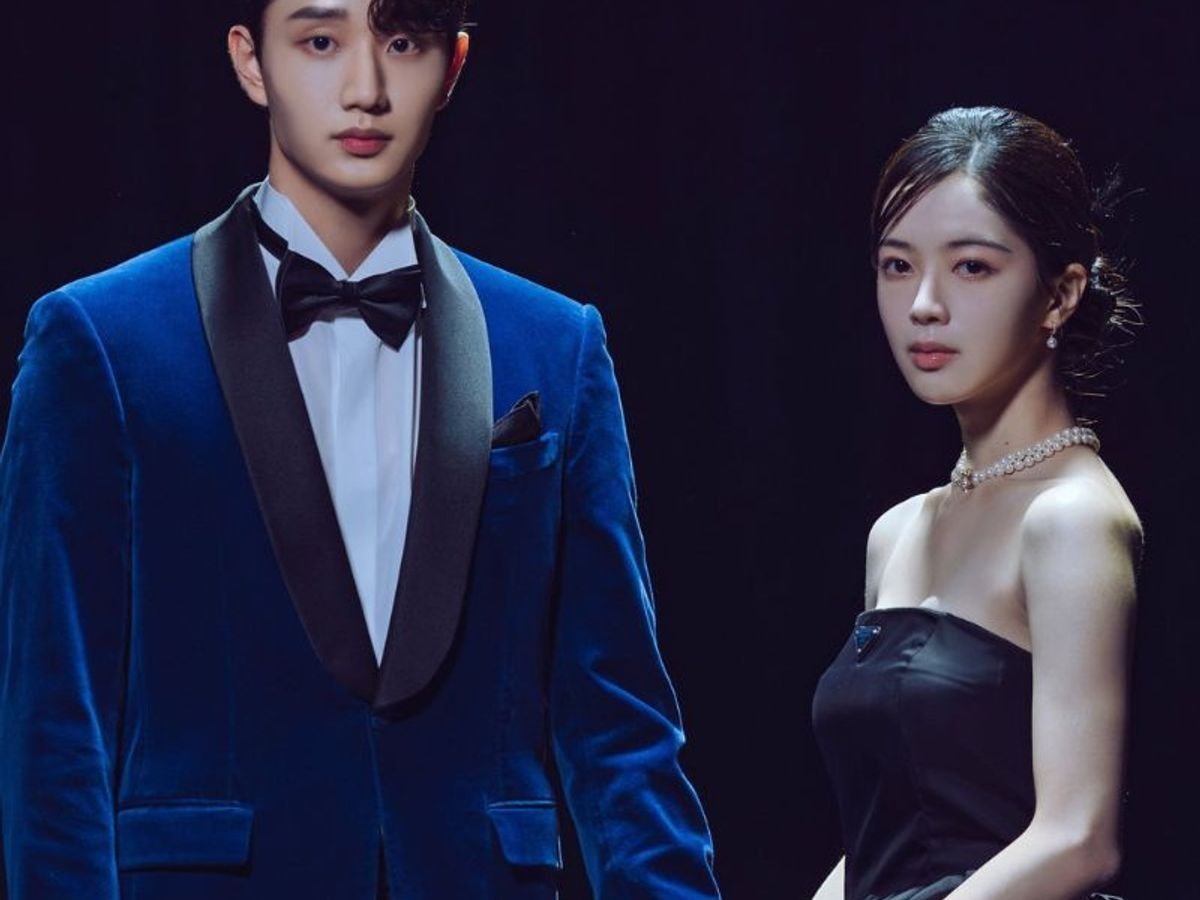
Hierarchy came to a close by dragging every mask off the faces of its characters, letting truth, privilege, and ambition collide in ways that left emotional bruises and hard choices. The show started inside Jooshin High School, a place where money and power were not just tools but a kind of armour.
From the beginning, it was clear that this school served as more than just a learning space. It was a stage where social control played out, and where status mattered more than honesty. The ending did not change the setting, but it shook the people in it.
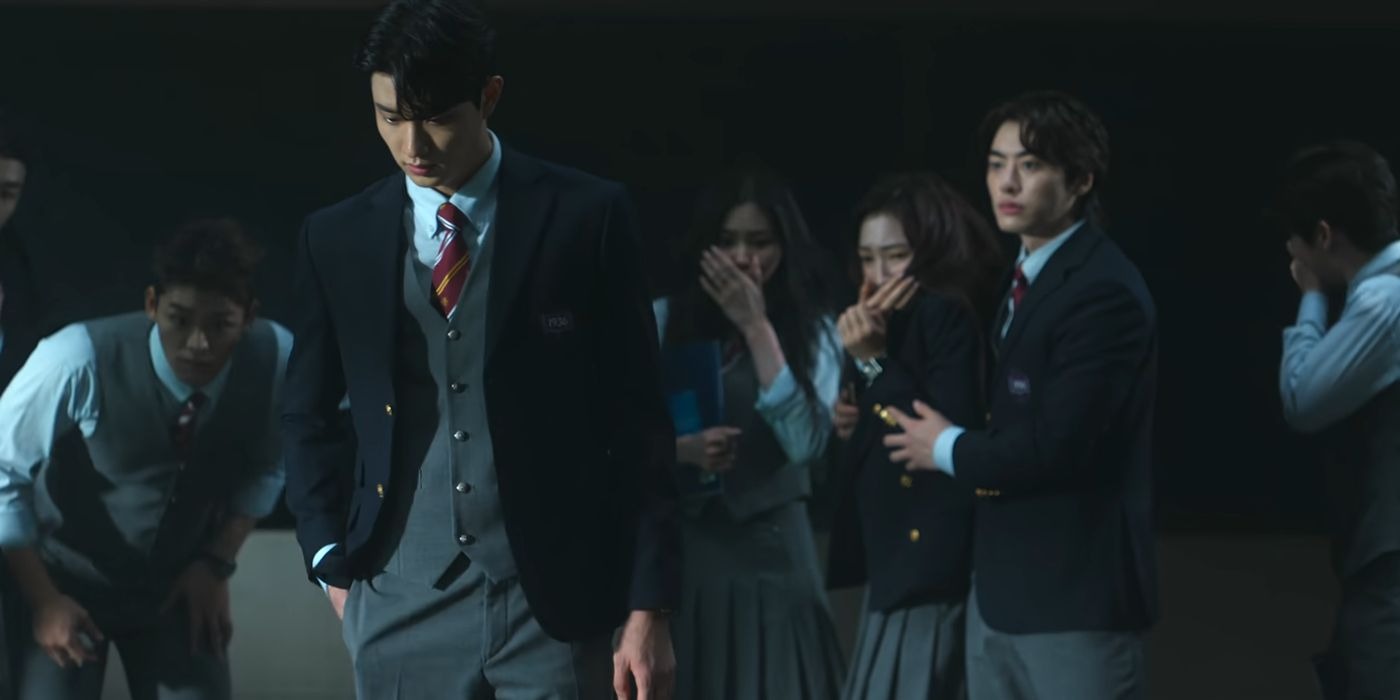 Jooshin High never prepared for someone like him (Photo: Hierarchy/Studio Dragon)
Once new student Kang Ha entered that space, things began to change. He did not come from the same background as the others, and his presence disturbed the balance the elite students had worked so hard to protect.
His arrival exposed the cracks under their perfect uniforms, and it forced questions that had long been buried. Was justice real within those gates? Did truth even matter when lies had stronger support? The closing chapters tackled those questions without trying to make it comfortable for the viewers.
What the Final Power Struggles Revealed
As secrets spilled and alliances broke down, it became clear that Jooshin High operated by rules built to benefit the few. The students at the top—those with family wealth, political connections, and untouchable names—had spent years treating others like pawns. Some of them did not even realise how much they had contributed to the system’s cruelty until it turned on them.
Kang Ha’s push for justice began with quiet resistance, but by the end, his actions had caused a ripple effect through the entire student body. He refused to let bullying go unchecked, even when speaking out came with risks.
As he moved closer to uncovering what truly happened to Lee Woo Jin—the student whose death haunted the school—more truths came out. None of them were easy to accept. Some involved people pretending to care when they were just buying silence. Others involved those who had been victims turning into aggressors just to protect themselves.
The leaders of the student council, who had once walked through the halls like royalty, found their titles no longer protected them. They had tried to manage every situation, to decide who deserved to speak and who should disappear quietly. But power built on fear cannot survive exposure. Once other students saw that those in charge were not invincible, the silence broke.
Relationships Torn Apart by Power and Lies
While the larger story dealt with privilege and manipulation, the emotional weight rested on the relationships between characters who thought they knew one another. Jung Jae Yi, who carried herself with grace and calm, found her loyalty tested repeatedly.
She was torn between her family name, which gave her access to everything, and her own conscience, which started questioning how things had always worked at Jooshin High.
Her bond with Kang Ha carried the emotional tension of two people from very different worlds learning to trust one another. But trust came with pain. Jae Yi had to look at herself and admit that silence had helped wrongs continue.
Kang Ha had to accept that revenge would never undo what had been done to his brother. These two stood at the centre of the emotional storm, not just reacting to what was happening around them but making difficult choices about what kind of people they wanted to be.
The romantic tensions that were built throughout the series never distracted from the bigger themes. Instead, they deepened the impact of betrayal and truth. Students who had grown up being told they were better than others began to confront their own weakness. Those who had once followed orders without question started refusing to obey. The emotional consequences of these choices made each final moment land with more weight.
The Price of Truth and the Cost of Silence
By the time the final episodes arrived, the search for what truly happened to Woo Jin had moved from whispers to confrontation. Kang Ha’s refusal to let the matter rest forced the school to look at itself. There were people in positions of authority who had spent months trying to keep the truth buried, believing that the school’s name was more important than the life that had been lost.

What made the ending powerful was that it did not try to fix everything. There were no easy resolutions. People who had caused harm had to live with the truth exposed, but not all of them faced punishment. Some simply lost control. Others were left to carry guilt. The school system itself did not crumble, but its false perfection was cracked permanently. The students would never see it the same way again.
Woo Jin’s story became more than just a mystery. It turned into a mirror that showed how easy it is for institutions to protect themselves at the expense of individuals. And it reminded the students who remained that silence is never neutral—it always sides with power.
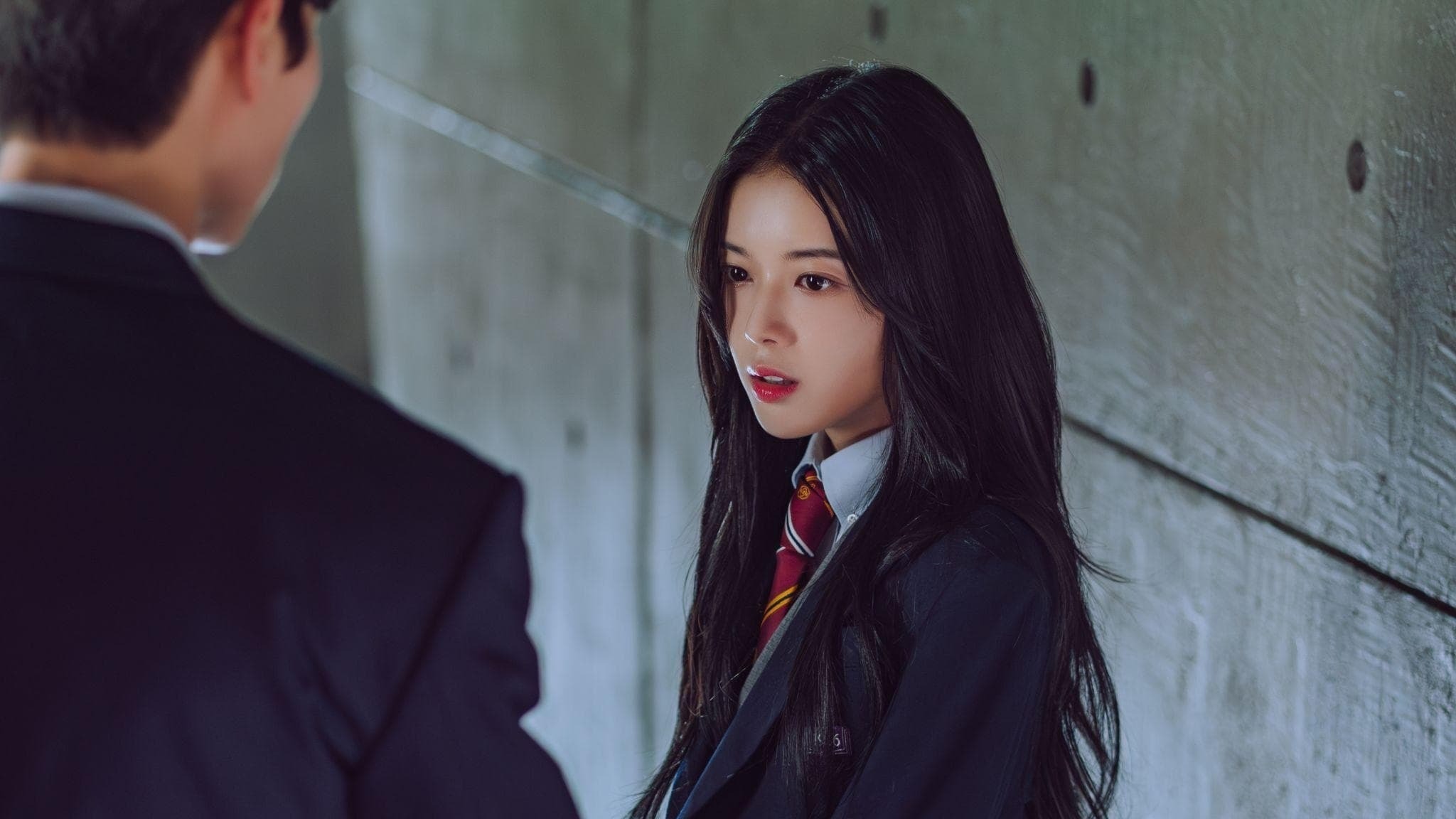 Uniforms hid more than just school pride (Photo: Hierarchy/Studio Dragon)
A New Beginning Without the Same Rules
The last moments of Hierarchy allowed room for change without pretending that it would come quickly. The students who had learned the hardest lessons walked out of Jooshin High with eyes opened. They would never forget the way their school had operated, but some of them began choosing a different path forward.
Kang Ha did not stay to enjoy any reward. His work was never about gaining a place at the table. It was about justice for someone who had been erased. His choice to leave the space that had hurt so many showed that walking away can sometimes be more powerful than staying to fix what others broke.
Jae Yi’s final moments showed growth that could not be faked. She had started the series protected by name and status, but she ended it choosing honesty, even when it cost her everything. She did not run from her part in the past, and she did not try to win back comfort. Instead, she faced things directly.
Hierarchy ended with the message that power only holds as long as people let it. When truth is spoken, even by one voice, control begins to slip. The students at Jooshin High learned that real change begins when someone refuses to stay silent, no matter the cost.
The series Hierarchy is currently available for streaming on Netflix. Viewers can check their local Netflix library for access.