
As Jaws marks its 50th anniversary with a rerelease in India, audiences are once again reminded why Steven Spielberg’s 1975 classic remains one of the most terrifying films ever made. From the image of a fin cutting through the water to John Williams’ legendary two-note score, the movie tapped into a deep, universal fear and changed the way people viewed the ocean and summer vacations forever.
When Jaws was first released in 1975, few could have predicted its impact. It became the first true modern blockbuster, drawing massive crowds and prompting audiences to line up outside theatres. Its success reshaped Hollywood’s release strategies, popularised summer moviegoing, and launched a franchise that would influence generations of filmmakers.
Suspense, Unseen Terror, and Human Denial Combine to Shape Jaws’ Enduring Power
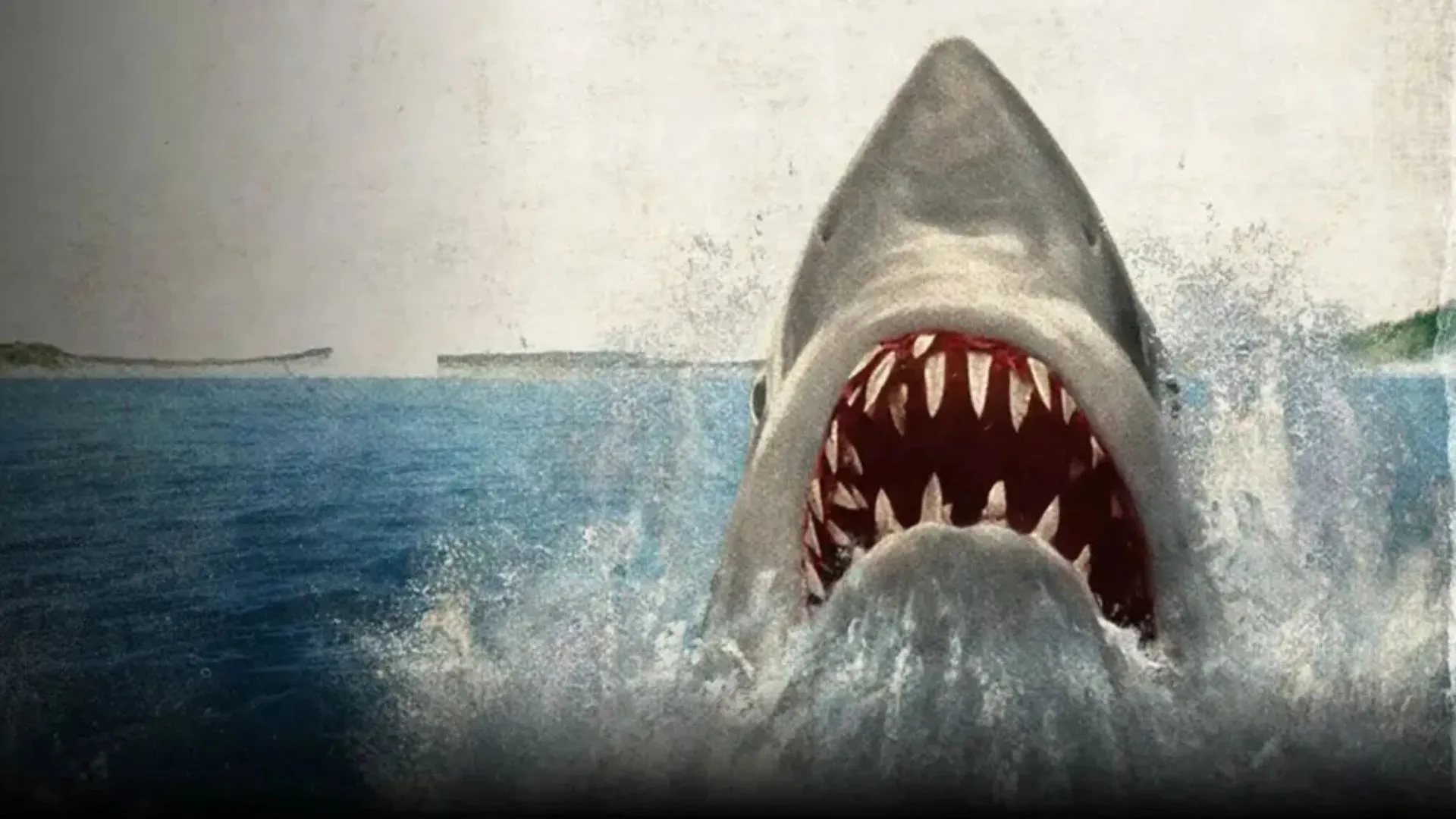
What made Jaws exceptional was not constant visual horror, but carefully controlled suspense. Spielberg intentionally revealed very little of the shark, which appears on screen for only about four minutes in total. This restraint, partly caused by issues with the mechanical shark, forced the audience to imagine the terror, making the film even more unsettling.
 Jaws (Universal Pictures)
The film opens with a seemingly peaceful beach party on Amity Island that quickly turns deadly when Chrissie Watkins is attacked while swimming at night. The shark is never shown, but the music, camera movement, and her helpless screams establish a chilling tone. This opening immediately defines the film’s central fear of an unseen predator.
Police Chief Martin Brody investigates Chrissie’s death and correctly identifies it as a shark attack. However, Mayor Larry Vaughn refuses to close the beaches, fearing economic loss during peak tourist season. This decision leads to tragedy when young Alex Kintner is killed in front of a crowded beach, a moment that exposes the cost of denial and deeply troubles Brody.
Uneasy Alliance at Sea Leads to Iconic Revelation and Deadly Final Confrontation
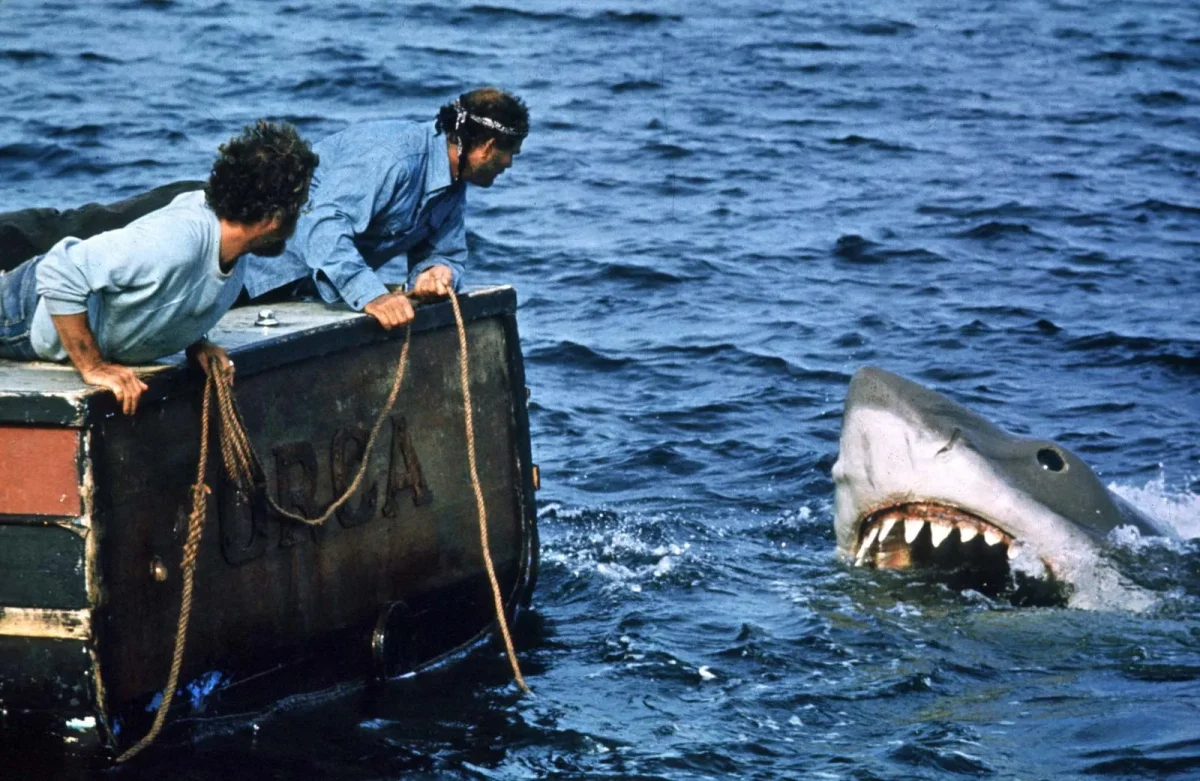
Oceanographer Matt Hooper confirms the presence of a massive great white shark, while Quint, a grizzled shark hunter, offers to kill it for a price. Along with Brody, the three men form an uneasy team and set out aboard Quint’s boat, the Orca. Their clashing personalities and beliefs create tension that rivals the threat of the shark itself.

At sea, the shark finally reveals itself in full, leading to Brody’s famous line, “You’re gonna need a bigger boat.” As the hunt intensifies, the men share stories and drinks, culminating in Quint’s chilling monologue about surviving the USS Indianapolis. This moment deepens the film’s themes of trauma, obsession, and humanity’s smallness against nature.
In the climax, Hooper narrowly survives, Quint is killed in a brutal and unforgettable attack, and Brody is left alone to face the shark. Using quick thinking and sheer determination, Brody shoots an oxygen tank lodged in the shark’s mouth, causing it to explode. Exhausted but alive, Brody and Hooper paddle back to shore in silence, bringing the film to a powerful and haunting close.