
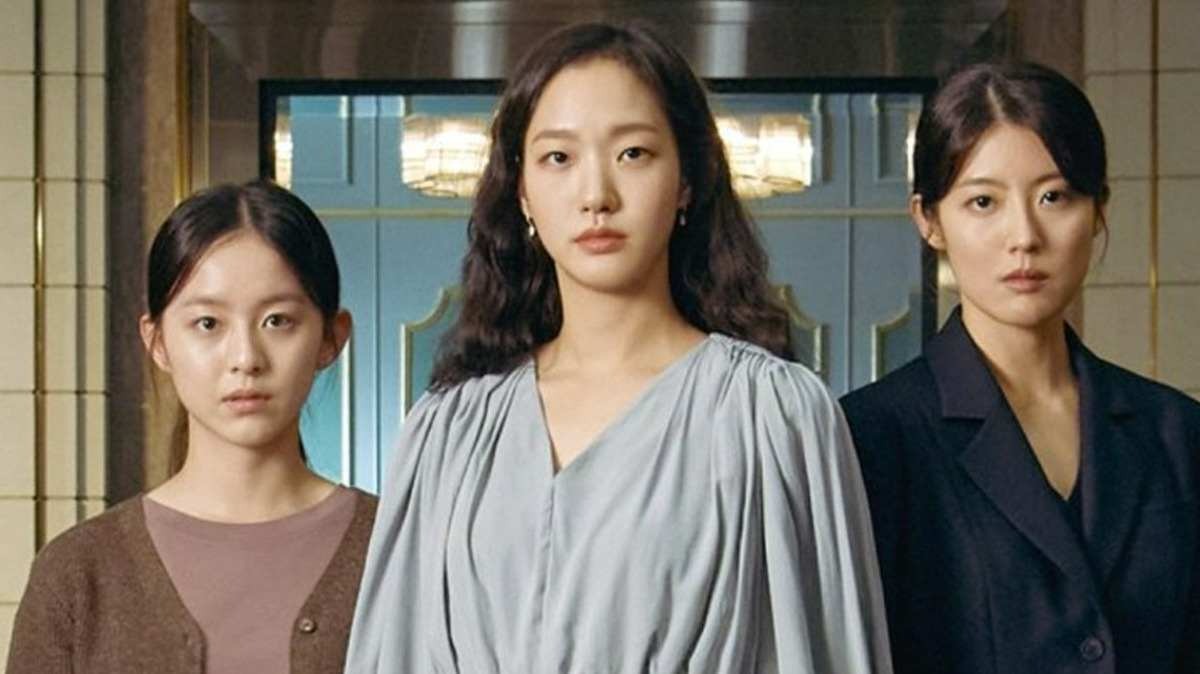
Power, family loyalty, betrayal, and money all remained central in “Little Women” as the series gradually closed its doors. The show kicked off with three sisters—Oh In-joo, Oh In-kyung, and Oh In-hye—whose daily struggles were heavily shaped by poverty and childhood trauma.
Each sister faced different paths, yet all their stories led back to the same question: what would they risk for security, justice, or love? In the final episode, viewers saw how trust was both a weapon and a weakness.
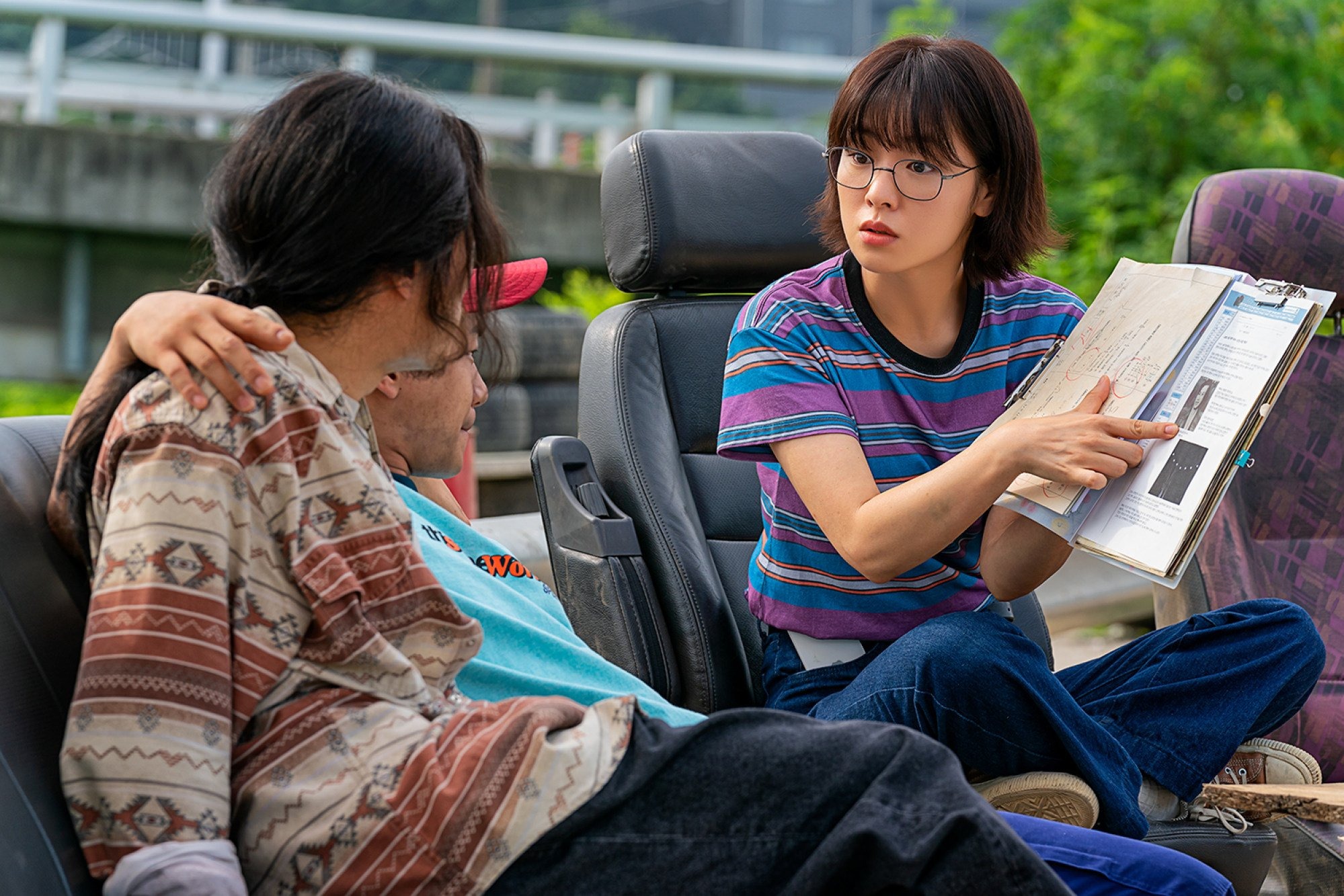 Sisterhood held steady when the world crumbled (Photo: Little Women (K-Drama)/Studio Dragon)
From the moment In-joo got entangled in the 70 billion won case, to the chaos sparked by Won Sang-a and the blue orchid group, everything kept spinning between illusion and truth.
The last hour of the drama focused on closing threads that had been building slowly but with sharp intensity. However, not every character found resolution in the way they hoped. This ending placed more weight on emotional closure than on clean victories.
Oh In-joo’s Fight for Truth and Survival
Oh In-joo, the eldest of the three sisters, carried the burden of financial desperation and fear. What started as an innocent discovery of her friend Jin Hwa-young’s death quickly escalated into something bigger than she imagined.
At first, she was just a woman trying to live better than her parents did. But along the way, she became the centre of a conspiracy, and her choices mattered beyond her small dreams. When she tried to run away with the money, guilt and suspicion followed her.
In-joo’s major turning point came when she realised that she had not only become a suspect but also a pawn in a cruel game designed by Won Sang-a. Instead of fleeing, she took a stand and chose to expose the truth.
The trial that could have destroyed her instead became a platform where everything began to unravel for the villains. Her courage was not just about exposing corruption. It was also about reclaiming her agency in a world that used people like her without blinking.
By the time the courtroom scenes came, it became clear that In-joo had grown from someone unsure of her self-worth into a person determined to define her own story. She could have easily become another forgotten victim of the rich, but she did not allow that to happen.
Oh In-kyung’s Obsession with Justice Takes Shape
In-kyung, the second sister, showed a different kind of strength. As a reporter, her deep hunger for justice came at a personal cost. She lost her job, endangered her life, and was constantly at odds with people in power. But that same commitment eventually led her to connect the hidden crimes of Jeongran Society and the murders around the blue orchid.
Her relationship with Ha Jong-ho also brought a softer side to her personality. It reminded viewers that even people with hard exteriors can crave closeness. By the end of the series, In-kyung’s choice to continue her journalism work showed that she was not going to stop just because her life had been in danger. She proved that telling the truth was still worth the risks.
Her final confrontation with the man at the centre of the orchid group and financial crimes provided closure to her arc. In-kyung had chased this truth for most of the show, and even though she did not receive praise or recognition for it, the audience could see she was satisfied knowing she did not compromise.
In-hye’s Story Took a Different Route from Her Sisters
Unlike her two older sisters, In-hye took steps that placed her far from family for much of the story. Her closeness with Park Hyo-rin and involvement in Sang-a’s world pushed her into strange territory.
While her sisters were trying to fight against the system, In-hye seemed to go with the flow. But that did not mean she lacked awareness. Her silence often came from strategy, not confusion.
Towards the end, when Sang-a’s instability reached its highest point, In-hye finally drew a line. Her decision to leave Korea with Hyo-rin was her way of choosing peace over chaos.
Some may see it as running away, but it showed maturity—she understood that staying would only drag her into more pain. And even though her goodbye felt incomplete, it reflected her quiet nature and how differently she approached problems.
Her final message to her sisters—through a painting she sent from abroad—showed that love still tied the three girls together, even when distance made their bond less visible. She did not need dramatic closure; her message carried enough weight on its own.
Won Sang-a’s Fall Was Inevitable
Won Sang-a remained one of the most chilling characters till the very end. Her descent into madness was slow but obvious. She was always seeking control, whether it was over her daughter, her late husband’s reputation, or the blue orchid cult. Her final moments revealed the full weight of her obsession and how little she cared about human lives.
The way she manipulated In-joo throughout the series showed how dangerous she was. And when her lies began to fall apart, she didn’t accept defeat with grace. Instead, she lashed out, tried to burn everything down—literally and figuratively.

Her final confrontation with In-joo brought everything full circle. While In-joo remained calm, Sang-a lost everything: her wealth, her status, her followers, and her daughter’s love.
Sang-a’s end didn’t come through court punishment or a grand public takedown. It came from her own collapse. The show used her downfall to explain that no matter how powerful someone seems, they cannot rewrite truth forever. Her loneliness actually matched the cold way she lived.
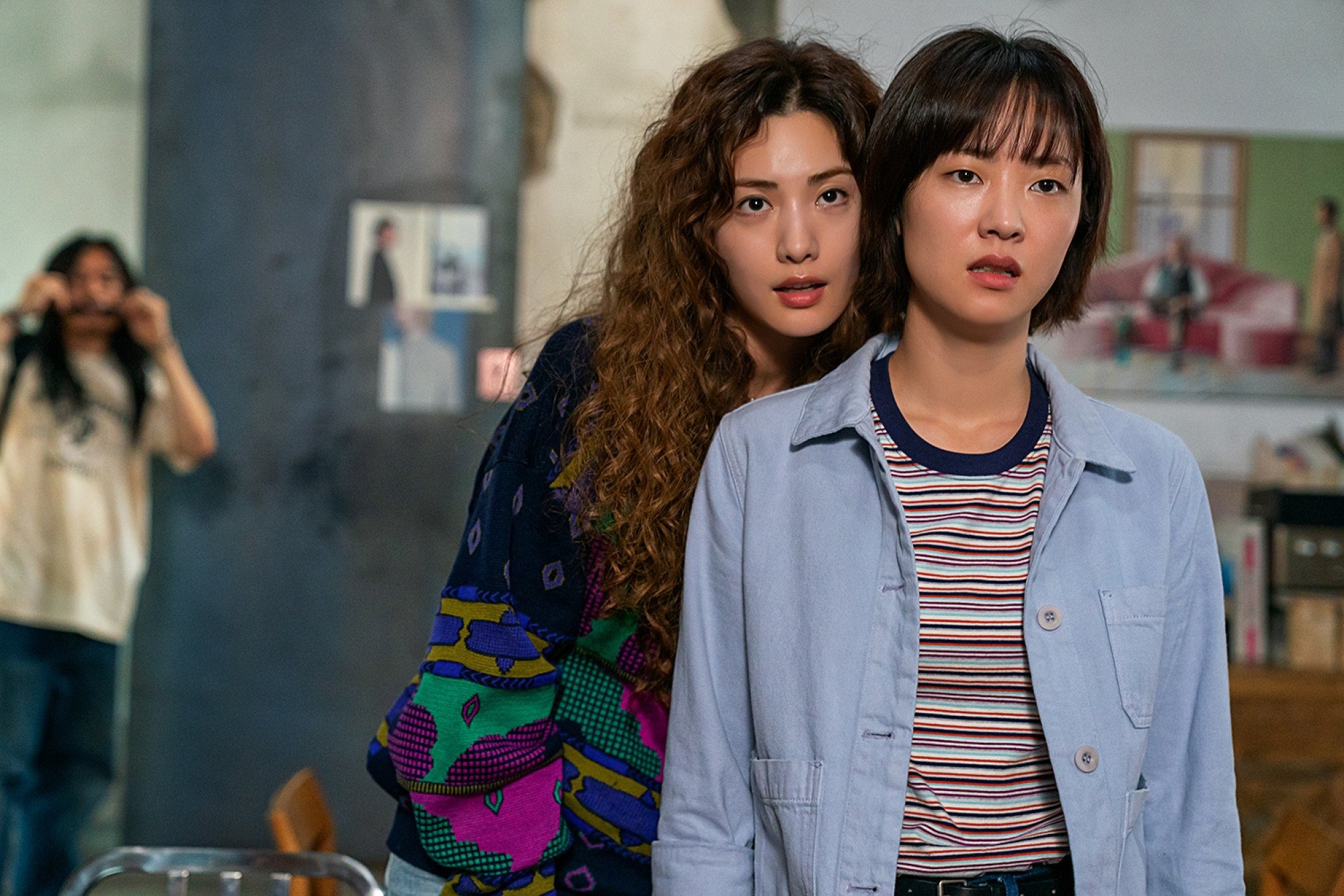 Blood wasn’t the only bond worth fighting for (Photo: Little Women (K-Drama)/Studio Dragon)
The Money Question Finally Found Resolution
The 70 billion won that started most of the drama found its purpose finally. After all the chaos and fighting, In-joo received a small portion of it legally, through Hwa-young’s will. It was not enough to erase all the pain she had endured, but it brought a quiet form of justice.
What mattered more than the amount was what she chose to do with it. Instead of chasing a new identity or faraway life, she stayed grounded. She used some of the money to buy her old apartment and focused on finding peace. That decision reflected her growth. She no longer needed to dream of luxury to feel worthy. Her survival alone had become a success.
In-kyung returned to journalism with her principles still intact, while In-hye continued her education abroad with Hyo-rin. Each sister ended the series on a path that showed strength in a different way, without loud victories or flashy achievements.
The Series Delivered Closure with Emotion and Clarity
“Little Women” did not take the usual route of clear-cut happy endings. Instead, it gave each major character a finish that fit their actions. Some paid for their wrongdoings.
Others were left to deal with loneliness or guilt. The sisters found healing without pretending everything was fine. Their bond remained, even as their lives moved in different directions.
The story refused to paint any character as entirely good or bad. Instead, it focused on choices, values, and the price of truth. From start to finish, the drama showed how women with very little power could still shake powerful systems—whether through love, reporting, or resilience.
“Little Women” is currently available for streaming on Netflix. Anyone interested in character-driven drama that includes mystery, family tension, and social criticism can find it there.