
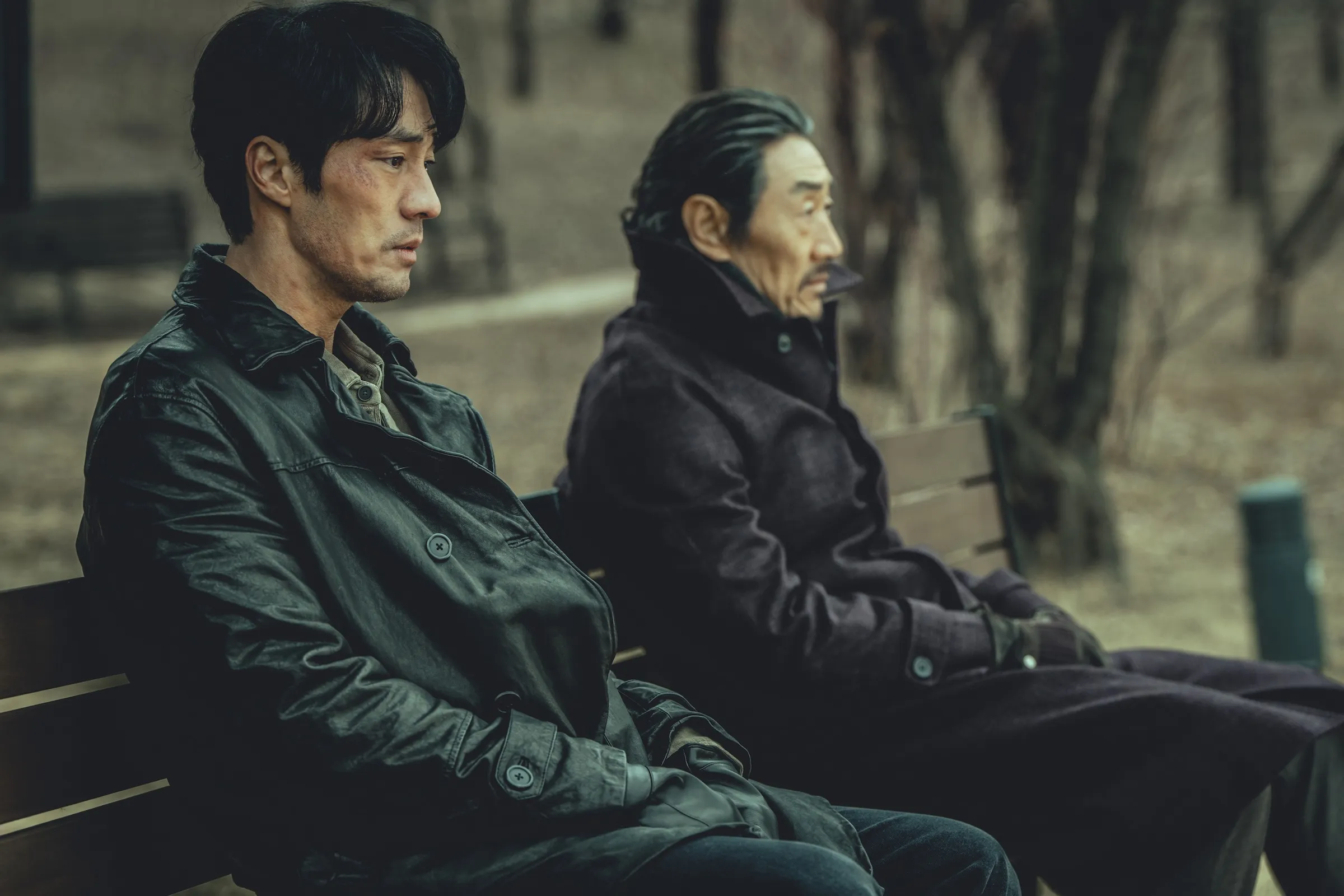
Mercy for None delivers a dark and gripping revenge story set in Seoul’s criminal underworld. The series, based on a gritty webtoon and directed by Choi Sung-eun, follows Nam Gi-jun, a former enforcer who abandoned his violent life after a personal act of rebellion. The central question driving the story is not just who killed Gi-jun’s brother, Nam Gi-seok, but who was truly orchestrating the chaos behind the scenes.
Gi-jun is forced back into the criminal world 11 years after his self-imposed exile when his brother Gi-seok is mysteriously murdered. Seoul is dominated by two powerful gangs, the Ju-woon Group and the Bong-san Group, locked in a volatile standoff. Gi-jun’s investigation pulls him into the tangled web of power struggles, loyalties, and betrayals that define the city’s criminal underworld.
Hidden Villain Manipulates Loyalty and Grief to Seize Seoul’s Criminal Empire Power
Initially, the obvious suspects are Chairman Lee Ju-woon, who was once a father figure to Gi-seok, and Gu Bong-san, the volatile head of the rival gang. But as Gi-jun traces his brother’s last movements, it becomes clear that the real villain is someone who manipulates grief and loyalty, using them to destroy an entire criminal empire from within.
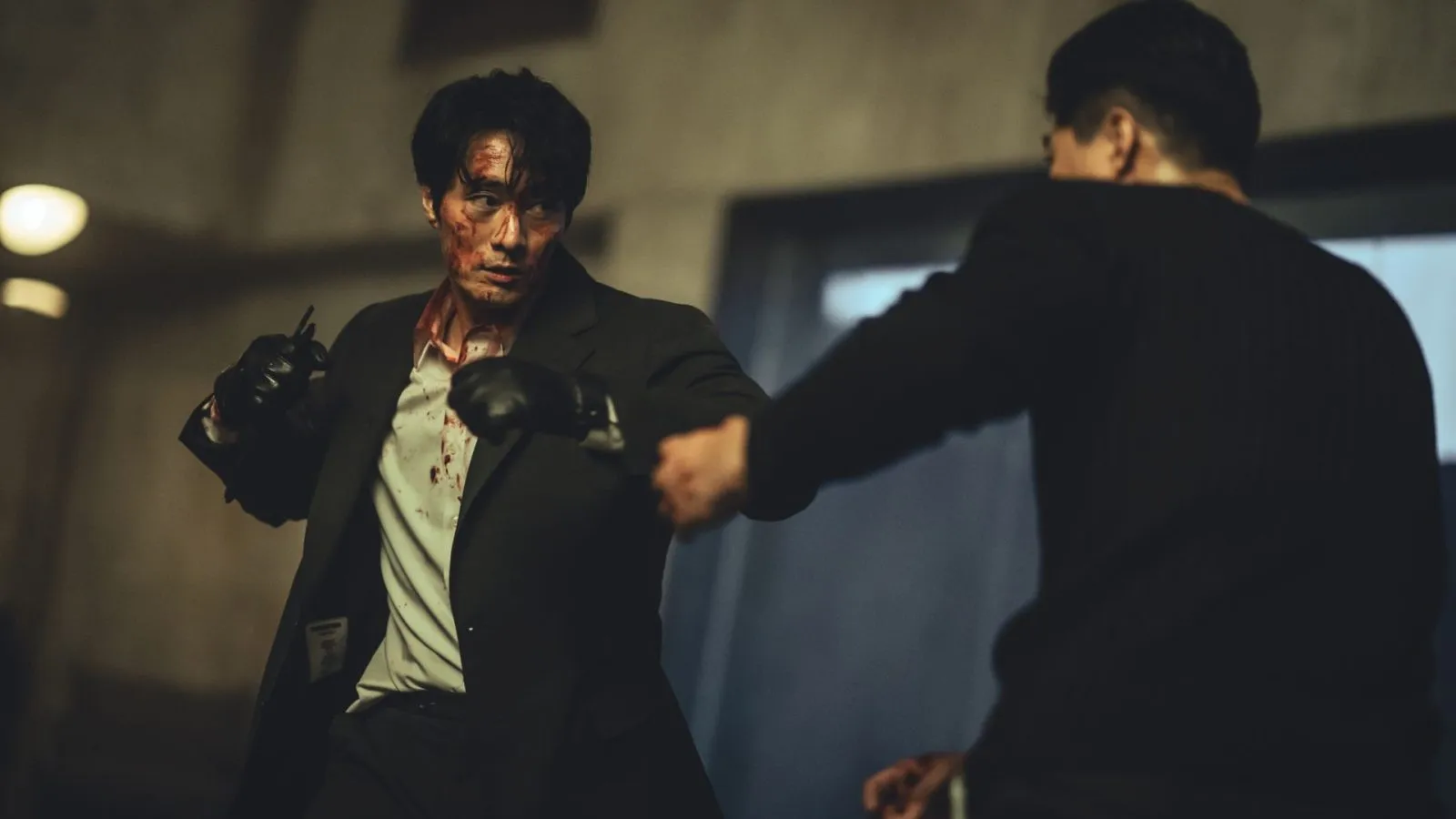 Mercy for None (Studio N)
Gi-seok’s murder is revealed to be a calculated move in a deadly power game. The true architect is Geum-son, the ambitious son of Chairman Lee Ju-woon. Despite being a prosecutor, Geum-son harbors a secret desire to control the criminal empire his father built. He aligns with Cha Yeong-do, a shadowy figure responsible for past gang wars, to orchestrate Gi-seok’s assassination and ignite a full-scale gang conflict.
Geum-son hires a cold-blooded assassin, Shimane, to ensure Gi-seok’s death and frame the rival gang, triggering chaos. The fallout is catastrophic. Ju-woon kills Bong-san, Yeong-do murders Ju-woon, and Geum-son rises as the uncontested leader of Seoul’s underworld. Gi-seok’s death is not personal. It is a calculated move to consolidate power and reshape the criminal hierarchy.
Beomyeongdong’s Betrayal Sparks Rival Factions and Gi-jun’s Relentless Quest for Vengeance
The origins of the Beomyeongdong gang provide essential context for the events. Once led by Chairman Oh, the syndicate was divided when Ju-woon and Bong-san were set up as potential successors. A series of betrayals, including Gi-seok killing Oh Seung-won under manipulation, leads to the collapse of Beomyeongdong and the formation of two rival factions, the Ju-woon Group and Bong-san Group. Gi-jun severs ties to protect his brother, leaving behind a brutal legacy.

Nam Gi-jun systematically takes down everyone responsible for his brother’s death, including pawns, assassins, manipulators, and ultimately Geum-son. Each act of vengeance is precise but corrosive, showing the moral cost of revenge. In the final confrontation, Gi-jun exposes and executes Geum-son, completing his blood-soaked mission but at a profound personal cost.
In the closing moments, Gi-jun returns to the campground he once dreamed of sharing with his brother. Bruised, bleeding, and exhausted, he reminisces about simpler times and the bond he lost. With his vengeance complete and the criminal web unraveled, Gi-jun succumbs to his wounds, dying under the open sky. The story ends as a poignant and tragic tale defined by betrayal, loyalty, and revenge.