
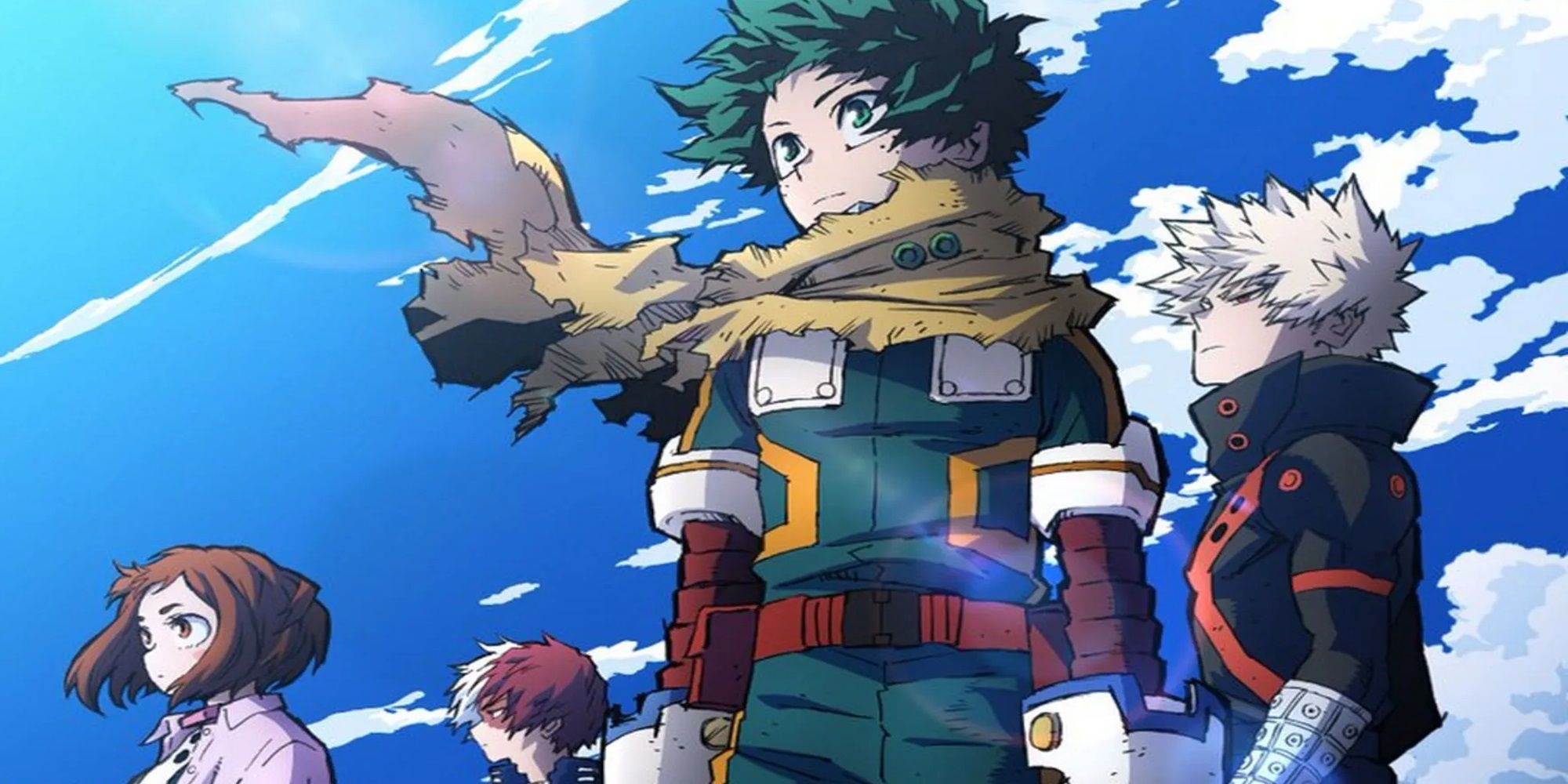
My Hero Academia Season 7 Part 1 wrapped up with heavy emotional weight and intense character growth that left strong impressions on viewers. As the clash between heroes and villains reached a new stage, the stakes surrounding each confrontation began to carry more emotional value.
From the moment this segment began, it became clear that every battle was going to leave a mark on the future of the characters involved. There was no more room for holding back or staying neutral. This portion of the series sharpened its focus on what it truly means to carry power and responsibility in a world where choices carry heavy consequences.
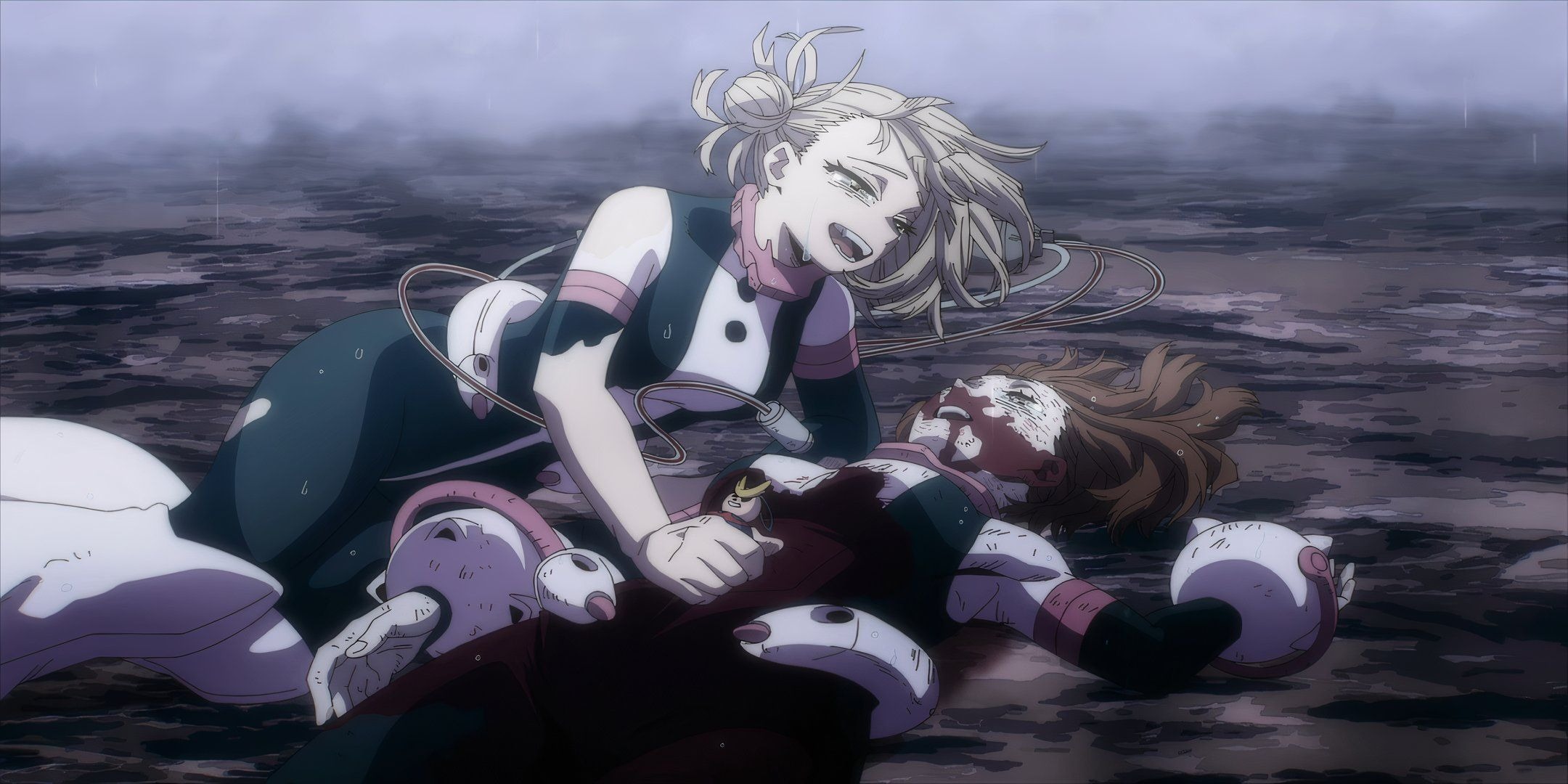 Power and responsibility clash in every moment (Photo: My Hero Academia Season 7 Part 1/Bones)
Midoriya’s journey continued to evolve, but this time the spotlight was not on him alone. Several other important characters were given deeper attention, and their struggles added new strength to the entire story. The conflict between good and evil moved beyond simple physical battles.
There was more emphasis on the internal fight each hero and villain was going through. These struggles pushed the story into a darker, more reflective direction.
Hawks, Endeavor, and the Burden of Past Decisions
A major theme that stood out in Part 1 was the burden of past choices. This was especially visible in the way Hawks and Endeavor tried to carry the weight of their previous actions. Endeavor’s role as a father and former top hero faced renewed scrutiny, as his personal regrets now impacted his ability to lead the heroes through their toughest moments.
His relationship with his son, Dabi, reached an even more uncomfortable stage, forcing viewers to confront the idea that strength without emotional accountability leads to destruction. Hawks, on his part, continued struggling with the double life he had been living.
His decisions in earlier seasons began catching up with him, making it harder for him to separate his duties from his personal convictions. Part 1 showed clearly that while power can help shape outcomes, it is the character of the one holding that power that truly determines whether things change for better or worse.
Both heroes tried to make up for what they had done, but the results did not always go as planned. Their actions raised questions about justice, forgiveness, and whether redemption is always possible. This added more emotional weight to each battle scene because viewers understood that the fights were not just about defeating villains, but also about correcting personal wrongs.
The Villains’ Side Carries More Emotional Weight
Shigaraki and his allies brought even more intensity to this season. The series pushed deeper into their backstories and showed how each villain had been shaped by pain, abandonment, or personal failure. Shigaraki’s power continued growing at an alarming rate, and Part 1 showed how dangerous he had become not only in strength but in leadership.
He no longer acted out of raw anger alone. His actions were more structured, and his goals became clearer. Toga’s personal grief stood out among the villains. Her pain was not just about the people she lost, but about how society rejected her for being different.
Her emotional breakdown in one of the later episodes of Part 1 forced viewers to see her not just as a threat but as someone shaped by rejection. The writing gave more space to understanding why people end up on the wrong side of the fight.
This approach added layers to the conflict. Instead of seeing heroes as purely good and villains as purely evil, viewers were invited to understand the grey areas that often sit between. This emotional depth made each confrontation heavier, because both sides were now driven by past wounds and present convictions.
Class 1-A Comes Together With Renewed Purpose
While the conflict between the pro heroes and villains took centre stage, the younger heroes were not left behind. Class 1-A showed stronger unity and clearer purpose in Part 1. These students no longer acted like children under training. They now stood as dependable heroes who were willing to face danger even when they were unsure of the outcome.
Their growth became one of the most rewarding parts of the season. Midoriya’s friends played important roles in trying to support him while he carried the pressure of One For All. Bakugo, Todoroki, and Uraraka all stepped up in different ways, offering support, encouragement, and at times even tough love.
These moments allowed viewers to see the strength of friendship and loyalty among them. Their teamwork during difficult missions also served as proof that they were ready for real responsibility.
Particularly moving was the way Class 1-A united to bring Midoriya back when he tried to distance himself from others in order to protect them. This part of the story showed the cost of isolation, especially for someone trying to carry a heavy burden alone. The group’s determination to stand by him even when it was difficult gave that section of the season a strong emotional edge.

 No holding back as battles turn personal (Photo: My Hero Academia Season 7 Part 1/Bones)
All Might and the Shadow of What Once Was
All Might’s presence in this part of the season may not have been as active as before, but it carried emotional depth. As a former symbol of peace who could no longer fight, his internal conflict became more visible. Watching the younger generation face dangers he could no longer protect them from reminded him of his own regrets and the limits of his current state.
Despite being unable to fight directly, All Might’s influence remained powerful. His words and quiet observations helped shape the decisions of important characters. In particular, his bond with Midoriya stayed strong. Part 1 did a careful job of showing how mentorship can still carry weight even after the strength to act physically is gone.
His reflection on his past actions added more emotional value to the season’s theme of legacy. The fear of becoming useless and the quiet pain of watching others carry the burdens he once held made All Might’s moments some of the most touching parts of the season.
The Ending Leaves Room for Deeper Conflict Ahead
The last episode of Part 1 closed with tension that sets the tone for what lies ahead. Midoriya’s strength and control over his powers had improved, but the sense of safety was short-lived. The heroes and villains both made progress in different ways, but nothing felt resolved. The war that had been growing slowly now appeared much closer.
Viewers were given hints that the second part of the season would bring more difficult choices, harsher consequences, and deeper emotional pain. Characters who had been on the sidelines started moving closer to the centre of the conflict. Some of them will likely play bigger roles in the coming episodes.
The growing tension between personal loyalty and moral duty stood out as the main conflict that might carry into the next part. Trust, fear, and survival will continue pushing every character toward difficult choices.
My Hero Academia Season 7 Part 1 used its time to strengthen the emotional foundation of its characters while preparing for what promises to be a more intense continuation. The progress made by both heroes and villains showed that the story has no interest in offering simple answers.
Instead, it presents hard truths about responsibility, regret, and the cost of holding on to hope when everything appears to be falling apart. Viewers who are ready to experience this part of the story can find My Hero Academia Season 7 Part 1 available for streaming on Crunchyroll.