

No One Saw Us Leave, Netflix’s Mexican thriller, highlights the societal double standards faced by women. Adapted from Tamara Trottner’s autobiographical work Nadie nos vio partir, the series portrays how women are often judged more harshly than men, particularly in cases of infidelity. While touching on social issues like childhood trauma, race, and generational patterns, the story centers on the unequal consequences women endure within traditional Jewish family structures in the 1960s.
Arranged Marriage, Betrayal, and a Father’s Revenge Tear Families Apart Globally
The story follows Leo (Emiliano Zurita) and Valeria (Tessa Ía), whose arranged marriage is designed to strengthen family business ties. Though they have two children, Isaac and Tamara, the marriage lacks love. Tensions rise when Valeria falls in love with Leo’s brother-in-law, Carlos (Gustavo Bassani), leading to an affair. Despite both being involved, Valeria faces punishment alone, highlighting the show’s focus on gender bias.
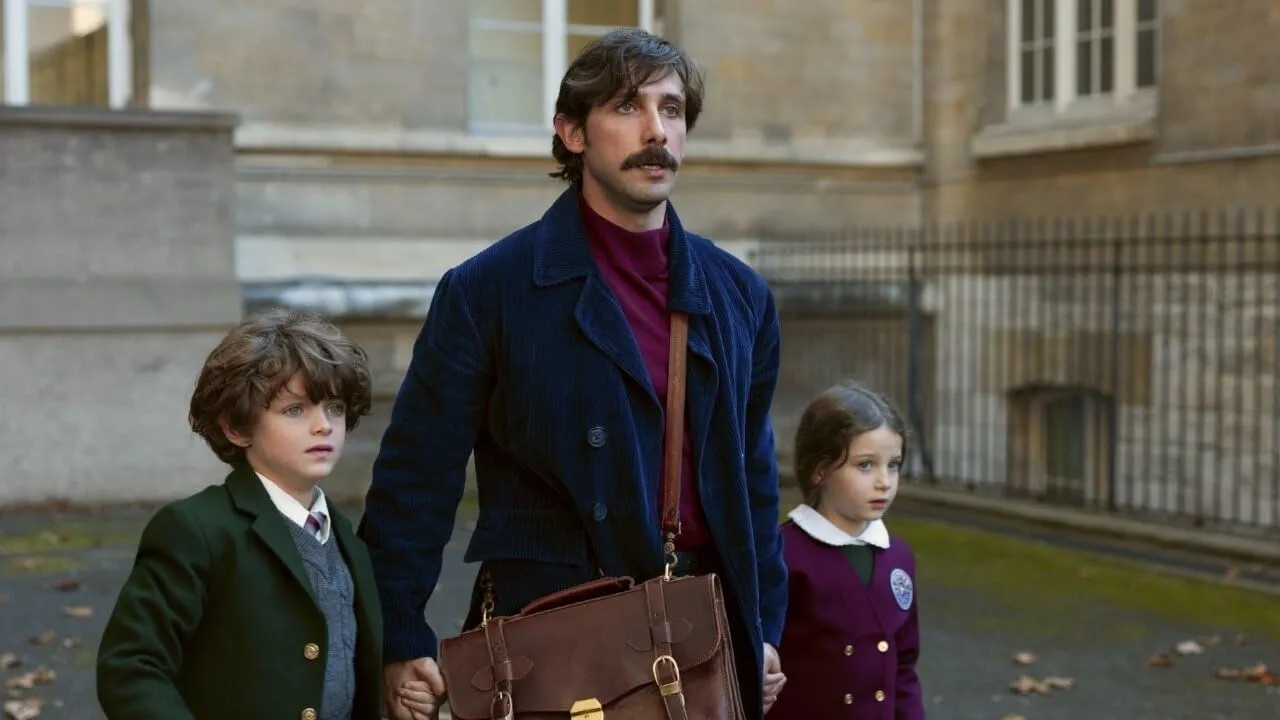 No One Saw Us Leave (Alebrije Producciones)
After discovering the affair, Leo flees with the children, manipulated by his father, Samuel (Juan Manuel Bernal), into exacting revenge. This mirrors generational patterns of control, with Leo turning the children against their mother. The series builds suspense through a global chase involving Interpol, showing the risks faced by the children in their father’s vengeful plan.
Valeria Fights for Custody and Rebuilds Trust with Her Children in Court
Valeria eventually reaches Israel and begins restoring her relationship with her children, who initially resist due to Leo’s lies. Through her protective actions, Isaac and Tamara ultimately forgive her. Valeria then files a court case in Jerusalem, confronting Leo and the patriarchal structures that influenced him. The trial ends with Leo’s deportation to Mexico, while the children are allowed to stay temporarily, partially restoring justice and family connections.

The series concludes with Valeria reclaiming her children and rebuilding trust with them. Leo’s final moments portray him sentimentally, contrasting with the story’s focus on Valeria’s struggles. In real life, the children did not see Leo for twenty years, and Valeria lived with Carlos until his death in 1997. The show blends suspense, social commentary, and historical context, emphasizing generational and gendered injustices.