
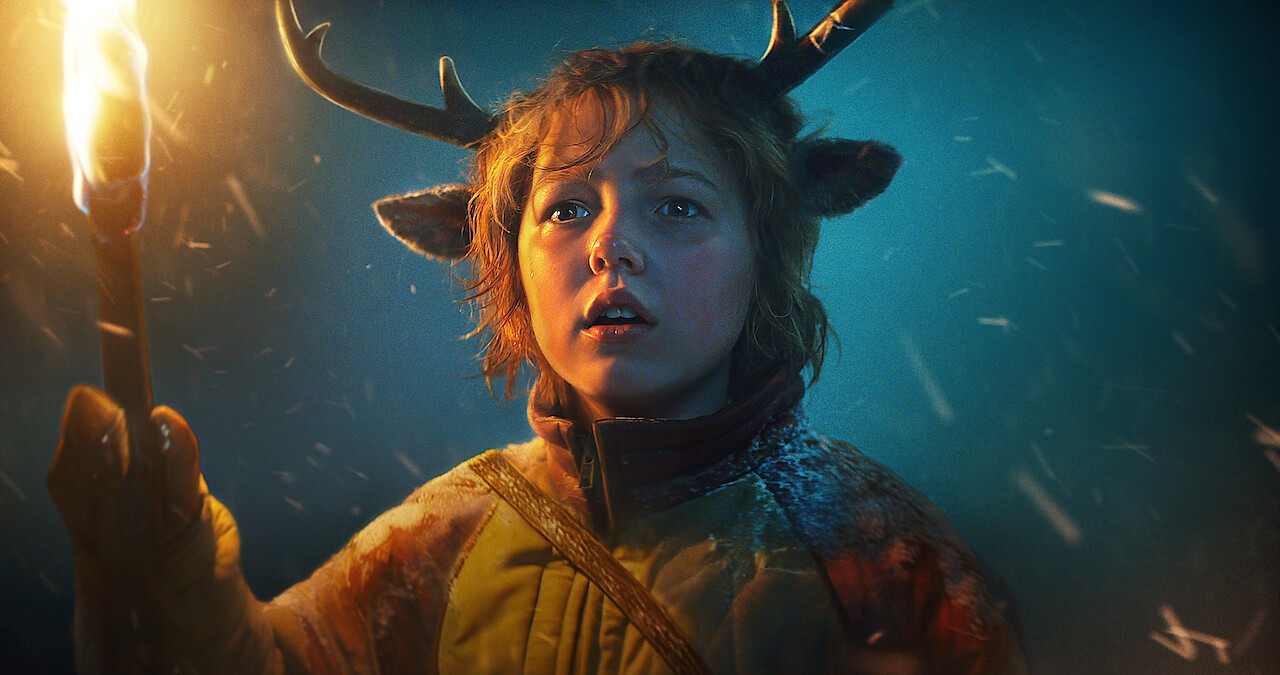
Sweet Tooth closed its final season by raising the stakes on every level—hope carried both light and darkness, innocence faced pain, and renewal came with a price. From episode one to the last, the series kept its heart in the right place.
By the time the final credits rolled, readers understood that this journey was more than a search for cure or sanctuary. It became a story about choosing what kind of world you want to live in when you stand at a crossroads with a healing heart in your hands.
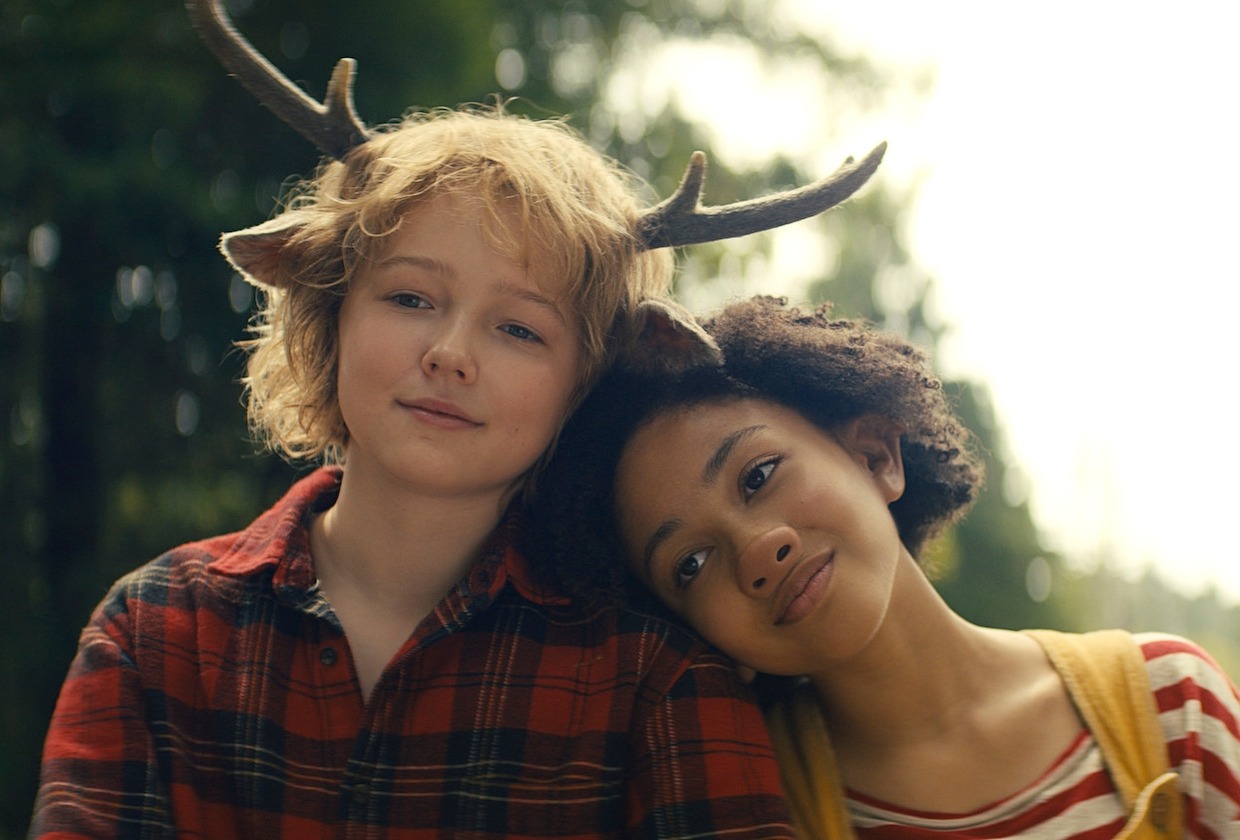 Healing came with heartbreak stitched into it (Photo: Sweet Tooth Final Season/Warner Bros. Television)
The world in danger had begun as a place where hybrids walked between species but remained outsiders. By the end, it had become an arena for rebuilding or repeating old mistakes. Who would carry the future mattered more than bloodlines or curses.
The finale did not tidy everything neatly. Instead, it left hopeful wounds that told of what had been gained and what was still at stake.
Gus and Jepperd’s Final Confrontation
Gus and Jepperd’s journey through the dark woods, lost safe havens, and broken trust set the tone for this ending. Jepperd had carried guilt since those early days when caring for Gus cost lives. That weight became part of their final moments together.
In the closing episode, they faced off with General Abbot and the Last Men militia to decide whether hybrid-kind had a future or would be hunted to extinction.
Jepperd stood at the epicentre of that conflict. He had to choose between safe survival and risking everything for what he believed hybrid children needed: a chance at life in a world that had feared them for so long. That moment felt heavy—each of his steps echoed the weight of his past mistakes.
When he stepped forward to protect Gus and his friends, he did so not because he had nothing to lose, but because he hoped they might.
Gus watched Jepperd choose that path. He was no longer the helpless boy who needed saving. He walked beside his protector now, their bond forged in desperation and healing. That choice gave birth not only to bravery but to a promise that hybrid-kind could stand tall in a world that once saw them as burden.
Bear’s Sacrifice and New Purpose
Bear’s role was never just comic relief. Finally, he became the emotional anchor for the group. His devotion to Gus marked him as more than a protector. In the finale, Bear held the group together as fighting broke out. His moments of humour turned into fierce loyalty.
The tragedy of that battle was full of contradiction—tears filled eyes just as victory edged forward. Bear gave his life to hold back enemy forces, buying enough time for Gus and the others to escape.
His sacrifice hit harder than any bullet. When Gus held him at the end, the weight of farewell was tempered by something stronger: Bear had shown what it meant to love without question.
The episode’s final moments reminded viewers that heroism could come wrapped in fur and selfless petting. Bear’s legacy would not end with his death. It would live in memory and in those who learned from his courage.
Birdie and Wendy’s Roles Showed the Power of Family
Two women shaped the final season in ways that spoke loudest through behaviour. Birdie opened her home and knowledge to hybrids. Her medical skills became the seedbed for trust between species. In the finale her makeshift clinic became a haven in all senses.
She showed the group what a safe world could be. But when Last Men attacked, she fought back—not out of hate, but out of conviction that violence only breeds more.
Wendy found her purpose away from her biological family. She went from running away from hybrid hunters to leading them. She brought warmth and discipline to their community. In the last fight, she helped hold hybrid children close.

She refused to abandon innocence again. Her final goodbye with Gus carried a mother’s hope—for the boy, for his kind, and for the world he would grow into.
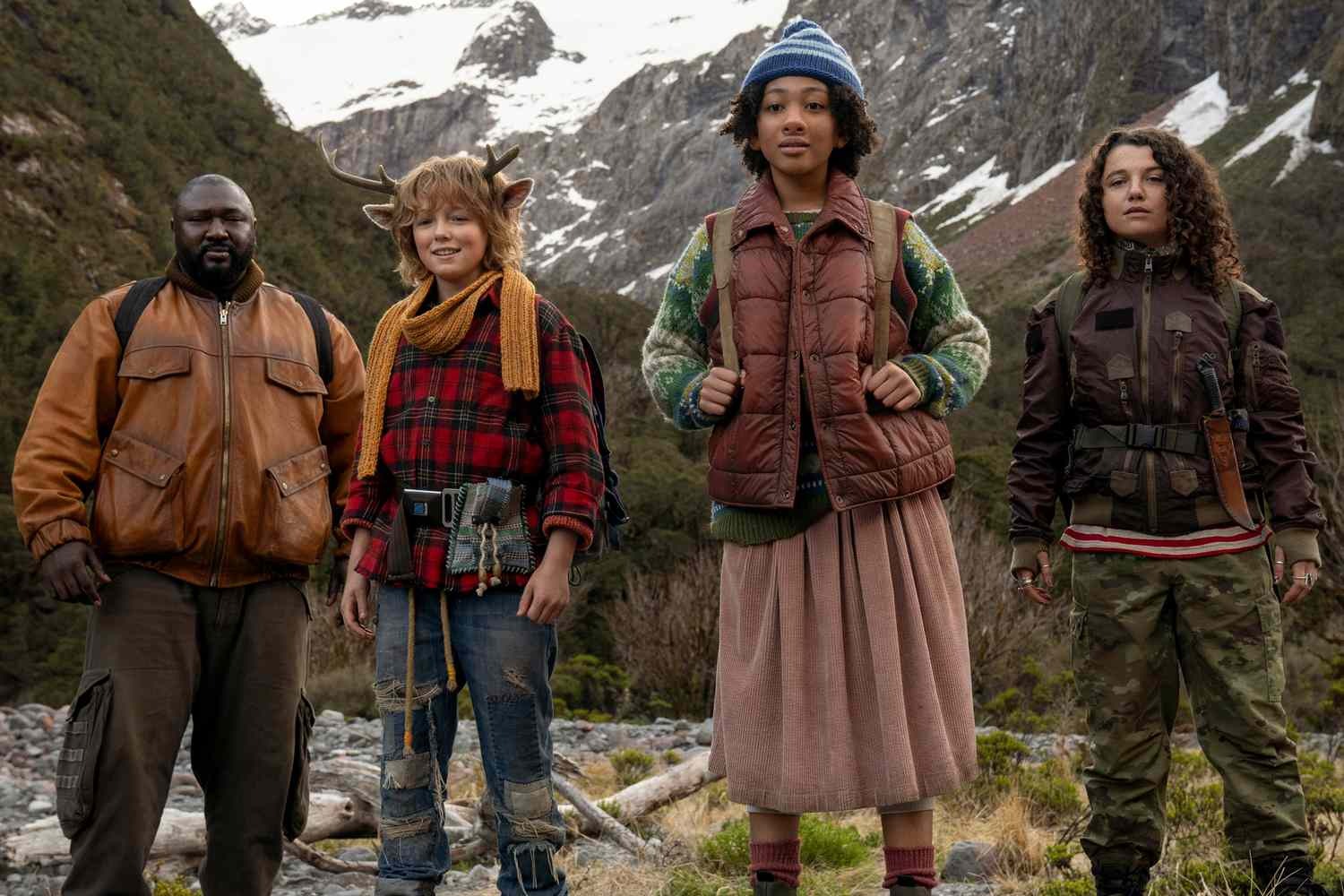 A kinder world still had shadows to outrun (Photo: Sweet Tooth Final Season/Warner Bros. Television)
The Healing of a Broken World
Healing was threaded through every scene. Whether it was Gus holding a wounded friend or hybrids replanting trees, the series kept showing what it meant to rebuild without losing tenderness. Small details became a larger circle.
The community gathered around Bear’s grave, sharing stories of nights by the fire. Gus read from his notebook where he had written of hybrid dreams. They planted a tree. Those simple acts carried more weight than any speech.
At the final table—Gus, Wendy, Birdie, Jepperd, and others—sat together as dusk fell and survivors walked toward that light. Their faces were stained with loss, but also marked by faith that tomorrow might not break them again.
The series ended on hopeful notes laced with uncertainty. We saw hybrid children playing games without hiding. We saw walls painted with their pictures and existences accepted. But we also saw armed patrols in the distance. The world was not yet safe.
That tension remained. The final shot was a slow pan over new beginnings—green shoots in ruined land, eyes open to sky, children listening to stories about heroes who loved against everything. The question was not whether they survived. The question was whether they would be allowed to be more than that.
The show did not promise peace. It presented a vision of what peace could be if people chose compassion over fear. That choice had not become universal. It was still fragile. But it was possible. Sweet Tooth Final Season is available for streaming on Netflix. It can be found on the platform based on your region.