
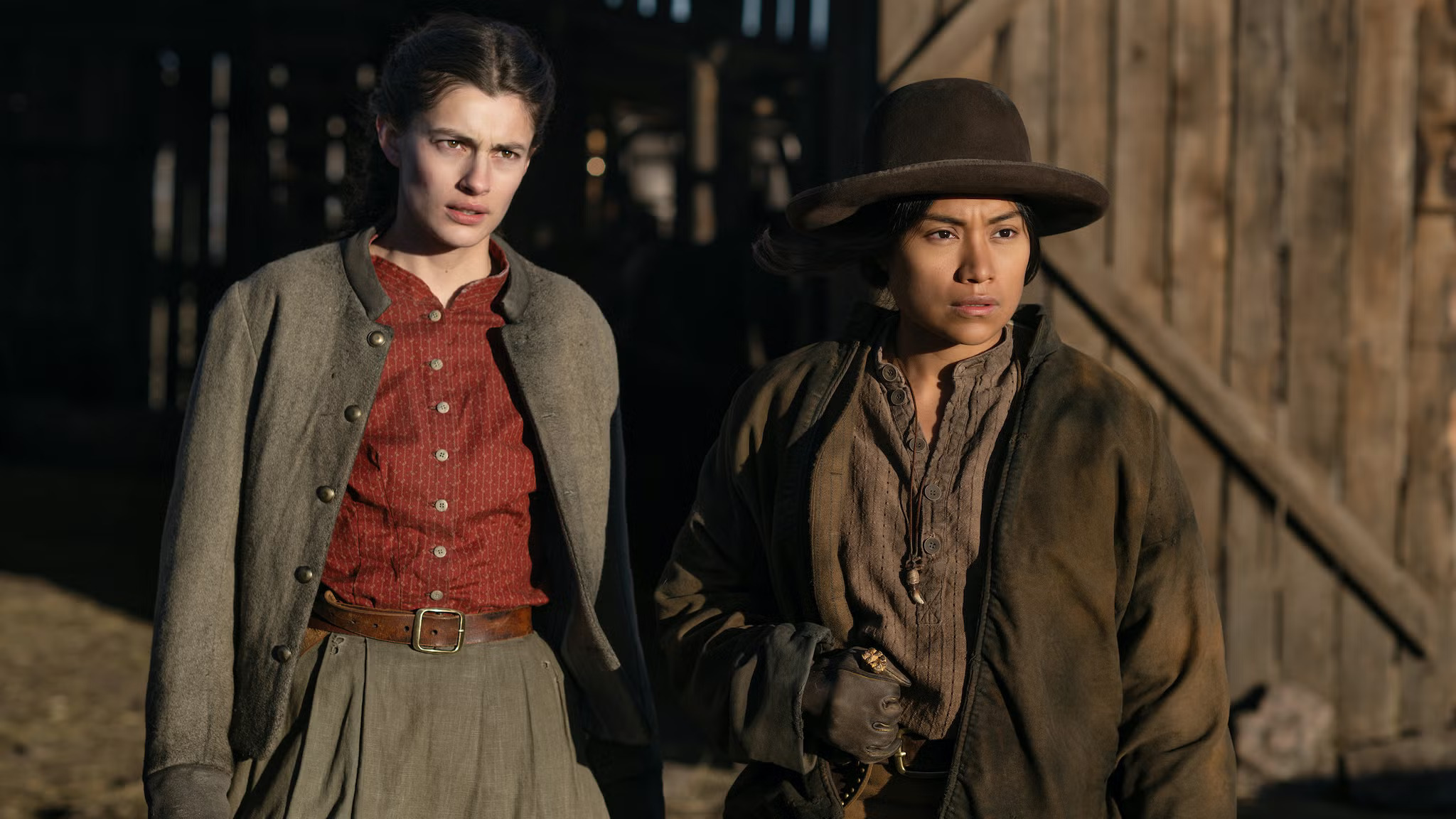
Season 1 of The Abandons begins with a simmering conflict over the silver-rich lands of Jasper Hollow, located on the edge of the frontier town of Angel’s Ridge. The tension between the Abandons, a family of outcasts, and the powerful Van Ness dynasty, who have long controlled the area, drives the narrative. The story explores morality, survival, and family, showing how life on the frontier is shaped by scarcity and high stakes. This conflict is not only about land but also about identity, legacy, and the meaning of family.
The central figures in the conflict are the matriarchs Fiona Nolan and Constance Van Ness. Fiona leads the Abandons, a group she has built from abandoned children, while Constance seeks to maintain her family’s wealth and power. Both women are fiercely protective of their families, but their methods and resources are vastly different. Executive producer Chris Keyser notes that both women want to protect their families, yet their approaches and perspectives create a sharp contrast. This conflict drives the story and shapes the moral complexity of the series.
Throughout the seven episodes, alliances shift, and betrayals occur, creating an escalating sense of danger. Fiona and her group navigate relationships with the town and other factions, including the Cayuse. Constance uses her wealth and a secret militia to maintain control. These intertwined conflicts show how power and survival often blur moral lines. The series demonstrates that choices made under pressure can have far-reaching consequences, and personal loyalties are constantly tested. Every episode builds toward a confrontation where survival, family, and power collide.
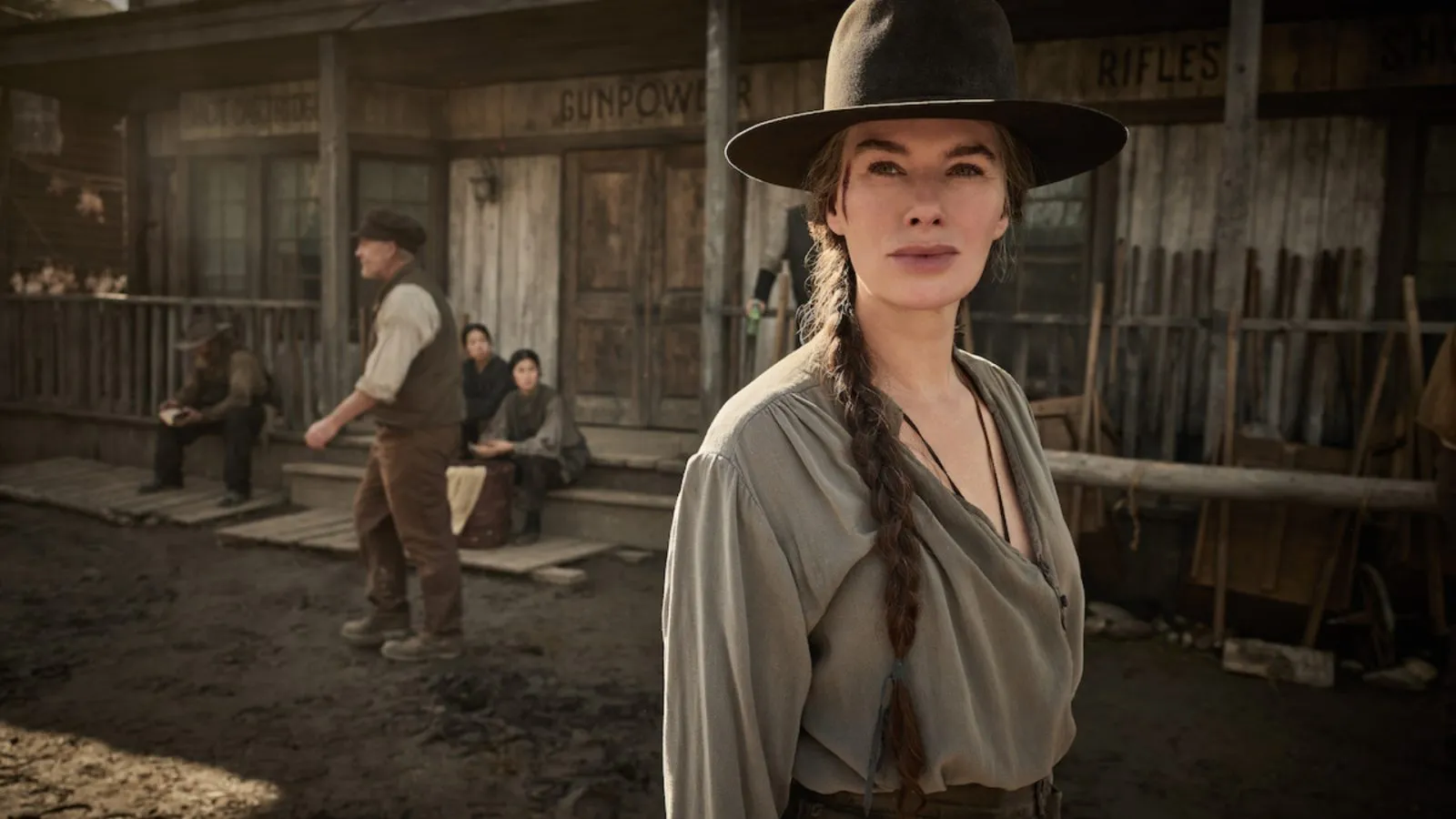 The Abandons (Netflix)
Climactic Showdown Highlights Collapse Of Power, Survival, Morality, And Family Loyalties
The season reaches its climax with a violent showdown between Fiona and Constance inside the burning Van Ness estate. The destruction of the mansion symbolizes the collapse of Constance’s power and authority. As flames consume the estate, alliances fall apart and secrets come to light. The final moments show a single silhouette emerging from the fire, leaving viewers uncertain about who survives. The finale underscores the series’ exploration of survival, the consequences of choices, and the fragility of both power and family.
In the last episodes, Constance’s power rapidly unravels. Her secret militia is destroyed, alliances fracture, and her children scatter. The estate itself, which once represented her dominance, burns to the ground. Executive producer Keyser points out that while Constance’s control is severely damaged, the precarious nature of frontier life means her fall may not be permanent. The depletion of the silver mines further undermines her authority. These events show how external pressures and internal errors can destroy even the wealthiest and most powerful figures.
Fiona emerges as the series’ moral center, but her heroism is complex. She engages in deception, violence, and manipulation to protect her chosen family. Keyser emphasizes that the series avoids simple categories of hero and villain, showing the moral ambiguity of survival on the frontier. Fiona’s efforts to protect those society ignores make her heroic in many ways. At the same time, her actions challenge ethical boundaries. Her role highlights the tension between defending the vulnerable and maintaining moral integrity, a theme that runs throughout the season.
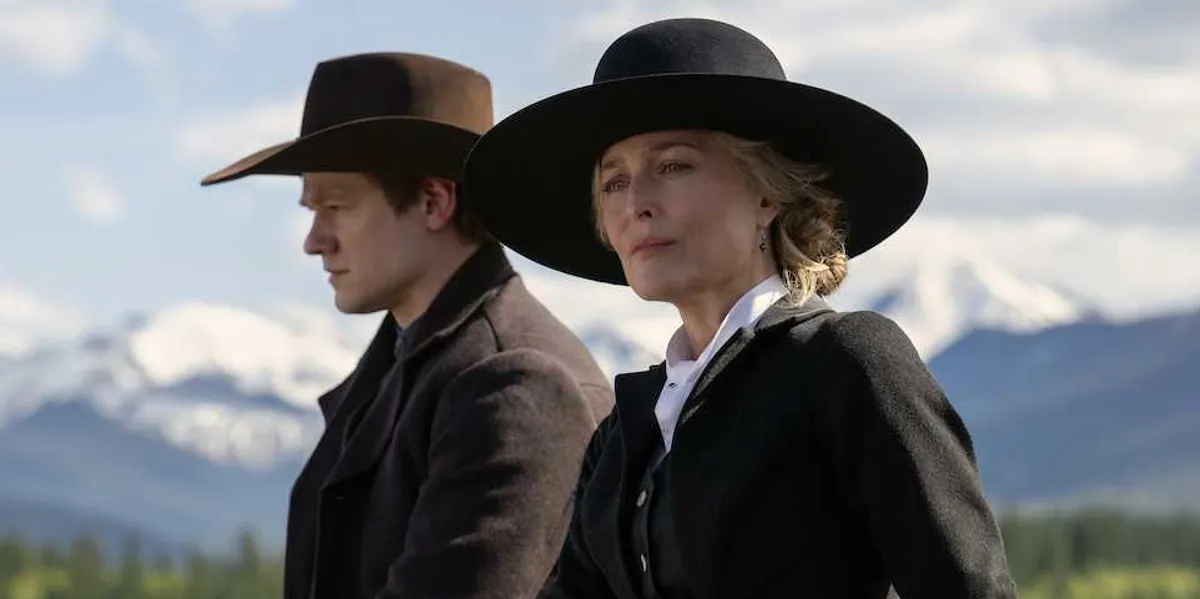 The Abandons (Netflix)
The Conflict Between Biological Family and Chosen Family Shapes Relationships and Emotional Bonds
A central theme in The Abandons is the difference between biological and chosen family. Constance argues that her grief as a mother is unique because of her blood ties. Fiona counters that her love for her adopted children is equally valid. This argument forms the emotional heart of the finale and explores how family is defined. Keyser points out that the series encourages a modern understanding of familial bonds, contrasting with 19th-century social norms that would have prioritized Constance’s family over Fiona’s. The debate challenges viewers to consider the meaning of love and family beyond biological ties.

Dahlia Teller undergoes significant development over the season. She experiences abuse, kidnapping, and harsh treatment, primarily at Constance’s hands. By the finale, she has developed resilience and a newfound strength. Keyser describes her arc as a journey of empowerment that shows how adversity shapes personal growth. Dahlia’s experiences leave her with a steely determination to defend herself. Her transformation demonstrates both the dangers and benefits of hardening oneself in response to life’s challenges, reflecting the series’ broader themes of survival and self-discovery.
Elias Teller and Trisha Van Ness pursue a secret romance that ultimately collapses under the weight of deception and violence. Trisha discovers that Elias killed Willem and helped cover it up, ending any immediate hope for their relationship. Keyser compares their story to a classical Romeo and Juliet narrative, emphasizing that love often defies societal rules but comes with serious consequences. Their doomed relationship adds personal tragedy to the larger conflict and highlights the emotional cost of loyalty, secrecy, and survival in a lawless frontier world.
Constance’s story is defined by her obsessive drive to protect her family and control Jasper Hollow. Her actions, increasingly extreme, blur the line between determination and moral transgression. Anderson explains that Constance genuinely believes she is acting for the greater good, yet her methods include violence and imprisonment. Keyser describes her journey as a cautionary tale about unchecked power and ethical compromise. The finale leaves viewers uncertain who survives, reinforcing the series’ themes of moral complexity, the consequences of obsession, and the fragility of human life and relationships in a high-stakes frontier setting.