
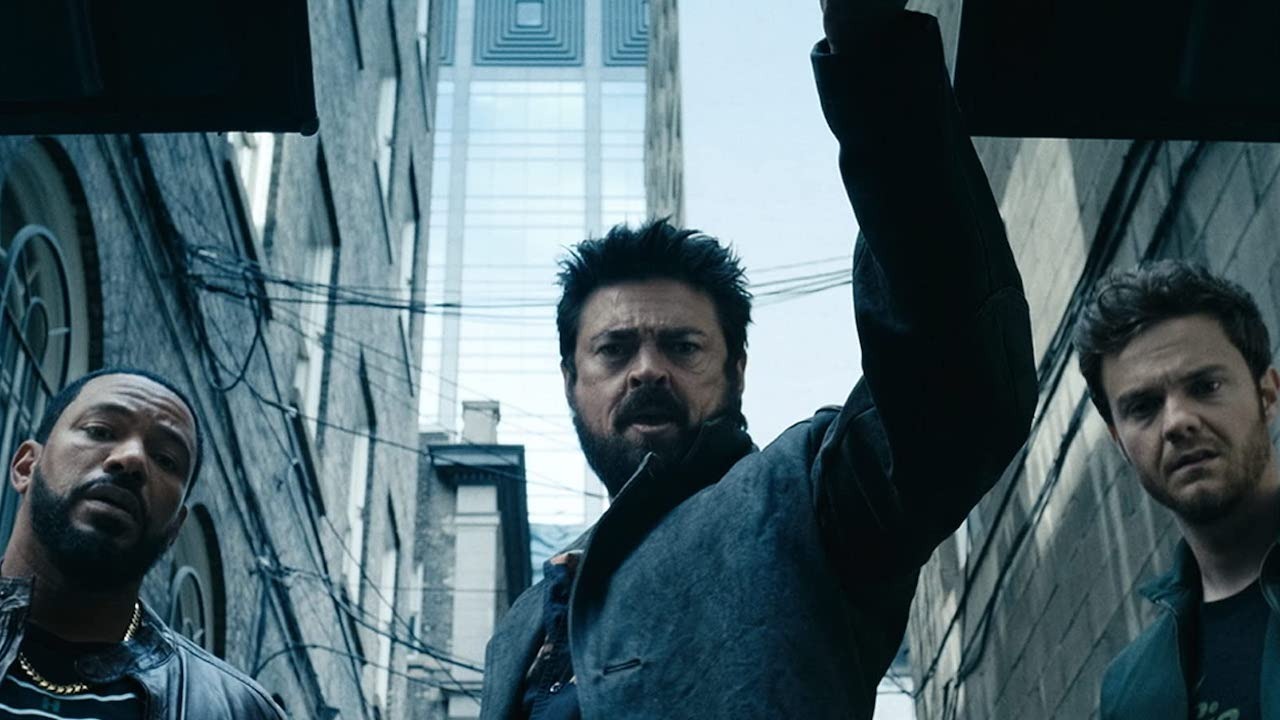
The Boys Season 4 ended with tension stretching to the breaking point as secrets, betrayals, and raw power tore through both heroes and supes. From the very first scene of the season’s last episodes, followers saw that the final conflict would go beyond physical violence.
It would be a reckoning of conscience, trust, and what it means to hold on to any humanity when lies look easier than truth. This season refused to let any character off easy, and the ending leaned into that by making sure every choice had a cost.
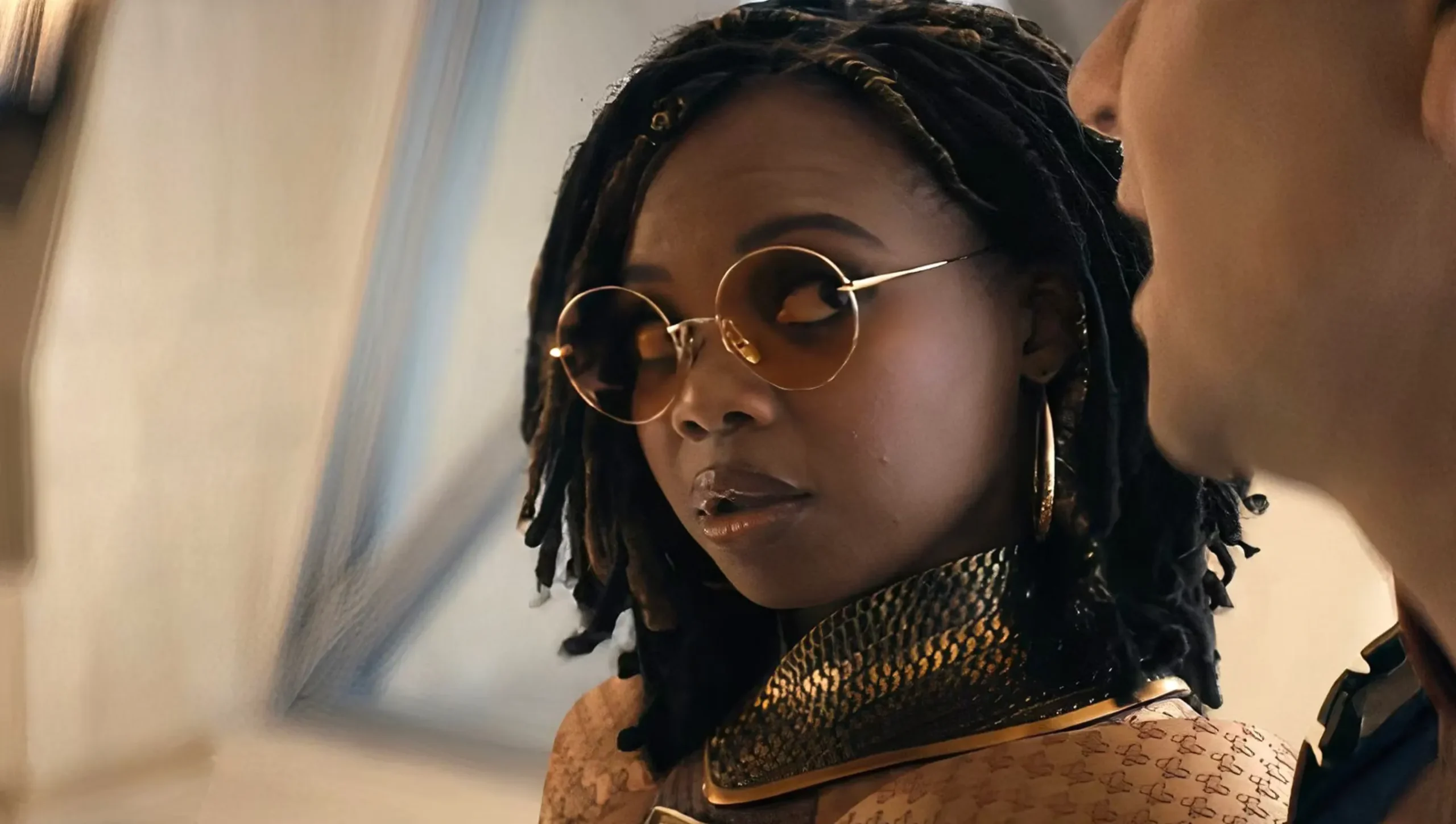 The Boys proved strength comes with scars not capes (Photo: The Boys Season 4/Amazon MGM Studios and Sony Pictures Television)
With Vought’s corrupt empire showing cracks, The Boys and their allies prepared for war. But by the finish, it became clear that battles were not won by guns or Supes alone. They were won by intelligence, sacrifice, and ruthless courage. Supes who once stood near the top discovered how low they could fall.
Humans who claimed street-level loyalty had to step into darkness to survive. The final moments brought years of hidden agendas into the light and forced each person to decide what kind of hero—or villain—they wanted to reveal.
Billy Butcher’s Betrayal and Resolve
Butcher’s choices came under deeper scrutiny in the closing episodes. His mission to destroy Homelander had always had personal roots. This season tested whether he could stay true to that mission or let his anger become what he hated. The spotlight fell on him when he lied to Becca’s son, calling Soldier Boy his father.
That moment shook the trust between them. The lie, though intended to protect the boy, showed how far Butcher would go to conceal the truth. At the climax, Butcher faced Homelander directly. Their fight became both physical and symbolic. Butcher traded bullets and wounds for words that exposed more than violence.
He did not hold back—he spoke of betrayal, hurt, and the idea that Supes were not meant to rule. But when he looked at Homelander, it became clear that his hatred was also a mirror. Removing one monster did not make him less monstrous. Butcher had to step back and question whether killing Homelander would just replace one tyrant with another—himself.
He backed down without firing the final shot. Whether that was mercy or calculation is still unclear. But that choice marked the difference between revenge and justice. By the end, Butcher stood, wounded and unsure, but alive. His refusal to kill marked a step toward something he had refused to be for a long time.
Homelander at the Edge of Irrelevance
Homelander’s empire fell harder than expected. He began the season feeling untouchable. But powerful as he was, his emotional isolation crippled him more than any human could. He lost his hold on public image as internal tech from Victoria Neuman exposed hidden surveillance and wrongdoing.
The destruction of Vought’s safe image finally made people look back with wide eyes. Ranked heroes began to doubt, sponsors faltered, ratings crashed, and Homelander was cast into chaos.
His final scene stood in a powerful spotlight—alone in a crumbling tower as news broadcasted that his power was no longer absolute. His decision to go public and threaten war on the heroes suggested he would destroy everyone before collapsing himself.
He screamed at a shuttered building as the camera pulled back, reminding viewers that power without purpose crumbles into madness. Homelander’s ending was not a hero’s fall. It was a caution: absolute power, when unchecked, ends in emptiness.
Kimiko, Hughie, and Starlight Allies with Hard Choices
Kimiko found closure with Mallory’s disappearance. She overcame the urge for revenge by choosing to follow the path Mallory might have wanted for her—one of reinvention rather than retaliation. In the last battle, she held back from killing Supe enemies who had done the worst.
That restraint signaled growth. Kimiko walked away from the battlefield covered in scars, not just physical. She chose self, and that choice meant more than any victory.
Hughie and Starlight stood at different crossroads. Hughie’s compassion made him public about his relationship with a supes but tensions threatened their future after Emma Nash refused to stay low. Starlight spent the final scenes grappling with the blood on her hands.
Standing on stage at a Senate hearing, she confessed Vought’s crimes. By that moment, she accepted being seen as a hero not because she could fly or blast, but because she told truth when everyone else lied. That moment gave her new meaning.

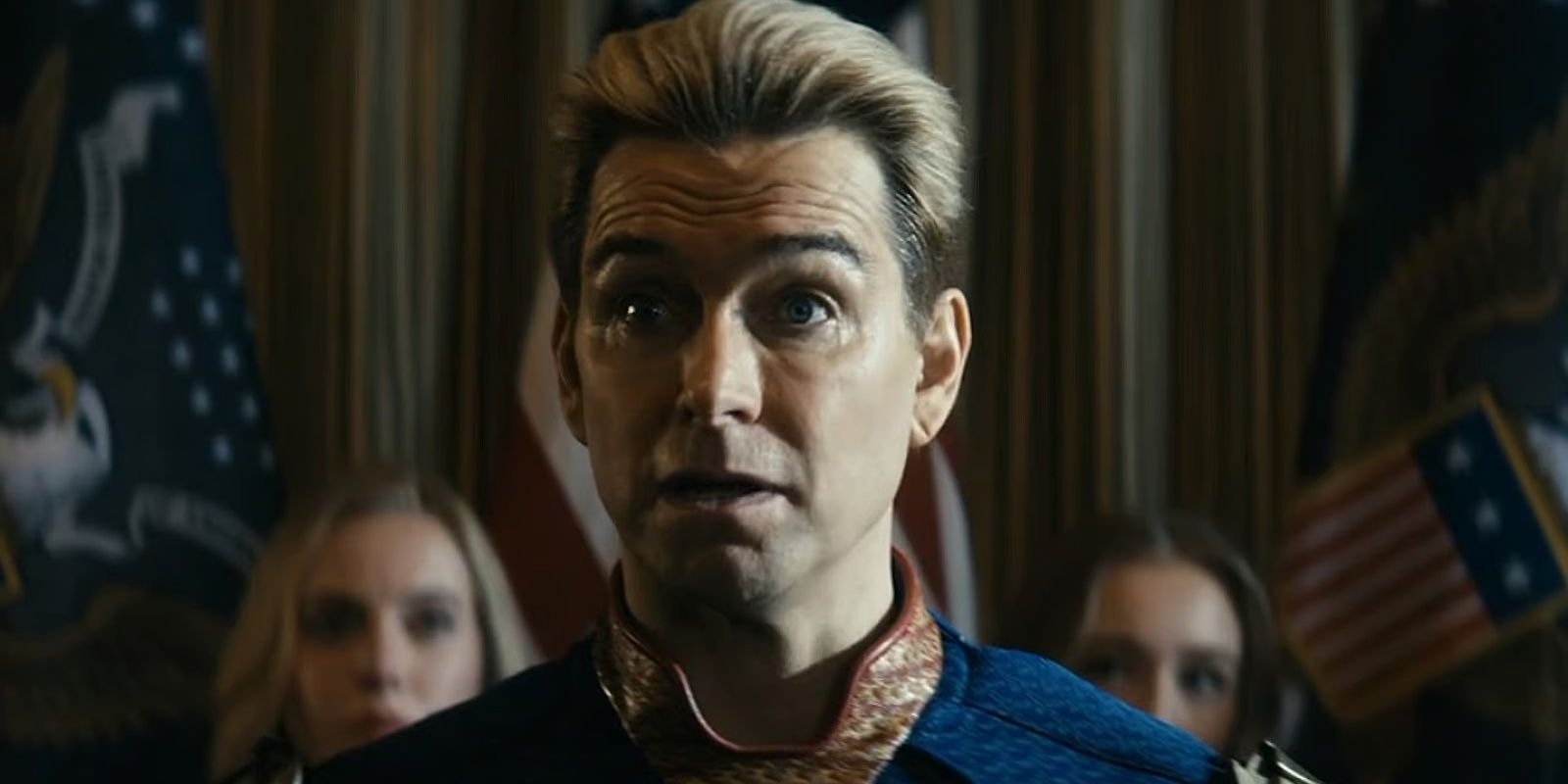 Supes fell hard humans fell deeper (Photo: The Boys Season 4/Amazon MGM Studios and Sony Pictures Television)
Victoria Neuman’s Dark Victory
Neuman rose through walls built on shadows and manipulation. From senator to Vought insider, her endgame was chilling. She stood at Vought’s ruined offices with Chantal, stepping into the space left by heroes. She did not celebrate.
She looked down from the top floor, considering how far she had climbed by killing, deceiving, and replacing them all. Her calm exit suggested only one truth—she was not about to stop now.
What It Meant for The Boys and Vought
The closing montage was hard to watch. Vought’s headquarters collapsed, grad students marched in halls once lined with posters of heroes, and reporters screamed names that once made people cheer.
The Boys walked away from it, bloodied but still standing. Their mission had changed. It was no longer about killing Supes or tearing down Vought. It was about what truth might do once that place fell. If the world would handle it, or if more chaos would follow.
The final moments left many questions. Will Homelander strike back? Will The Boys rebuild their fractured team? Can Starlight take down Vought’s next con? Will Neuman move in for the kill now that nobody watches over her?
By drawing lines in shattered glass, Season 4 did more than close plots. It opened wounds. Heroes and villains blurred, and viewers were left to wonder who would pick up the pieces once the dust settled.
And dust it was, as the camera pulled back on a city soaked in firewater and lies. The Boys Season 4 is available to stream on Prime Video. Check the platform’s library based on your region.