
The Conjuring: Last Rites serves as both a haunting and a celebration, marking the final cinematic outing for Ed and Lorraine Warren. As the fourth Conjuring film and ninth in the extended universe, it doesn’t rely solely on jump scares or new demon cases. Instead, it revisits the roots of the franchise, bringing closure to the Warrens’ story while reflecting on memory, mortality, and the enduring nature of horror.
Unlike previous entries, this film emphasises legacy over routine exorcisms. It explores whether horror stories ever truly end, blurring the line between real-life events and folklore. The narrative draws the audience into questions about the real Ed and Lorraine Warren, whose controversial ghost investigations inspired the series, making the story more layered than a typical haunted house tale.
Cracked Mirror Symbolises Evil, Legacy, And The Warrens’ Personal Supernatural Confrontation
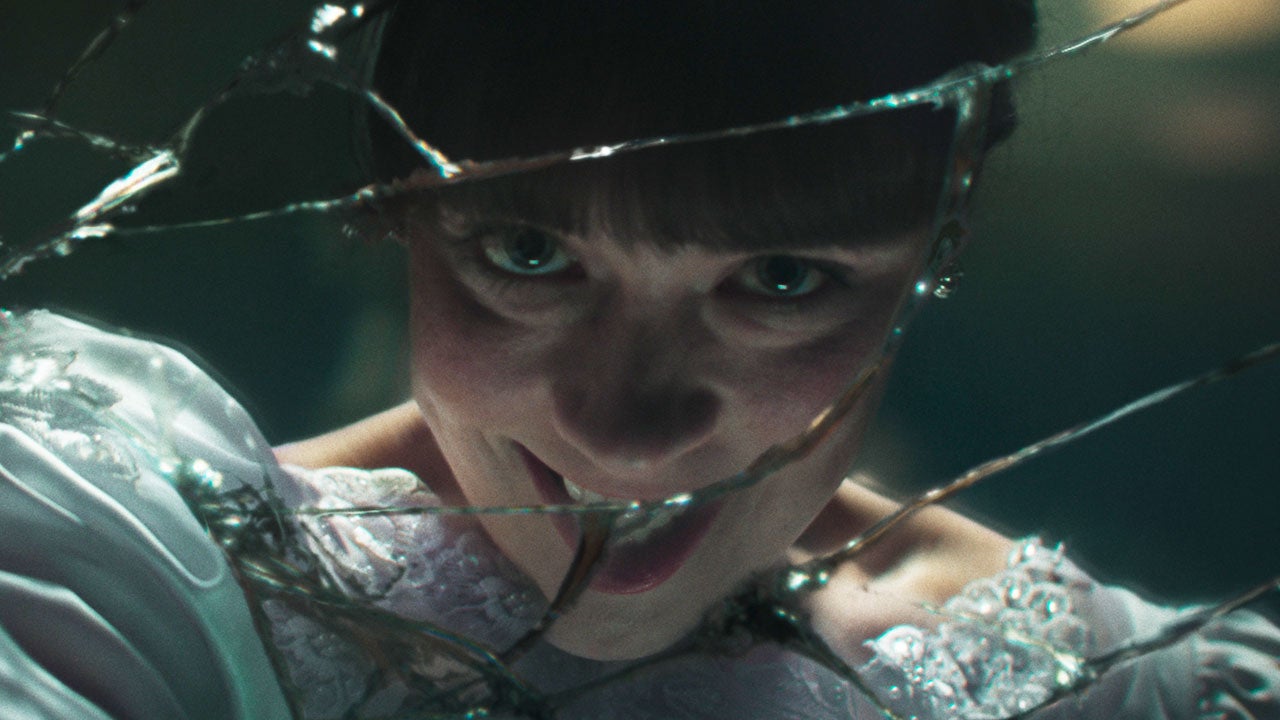
The film’s ending employs a symbolic device, a cracked mirror, that becomes central to the plot and ties the series together. This narrative choice cleverly retrofits the franchise title, emphasising that the conjuring wasn’t just about isolated hauntings but about the enduring presence of evil, mirrored through the Warrens’ experiences over decades.
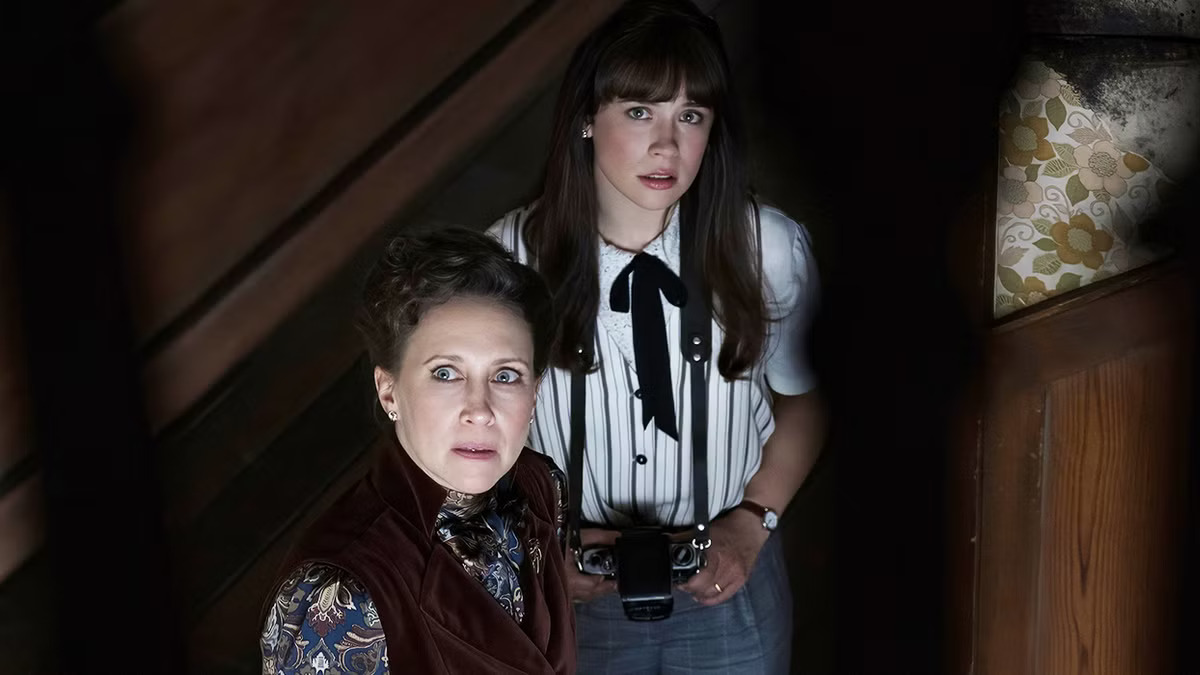 The Conjuring: Last Rites (Warner Bros. Pictures)
At the heart of the story is the Smurl family haunting, based on a real-life case investigated by the Warrens in Pennsylvania. Ed and Lorraine follow their daughter Judy and her fiancé Tommy as they confront a malevolent entity emerging through a mirror. The mirror’s dark history connects directly to Lorraine’s past, making this confrontation deeply personal and elevating the stakes beyond standard horror tropes.
The final act transforms familiar horror sequences into an intimate showdown. Judy becomes possessed by the mirror’s spirit, and Tommy is attacked, echoing past tragedies. Rather than fleeing, the Warrens and Judy confront the entity head-on, pushing against their hellish reflections in a battle of wills. The mirror ultimately shatters, symbolising the culmination of the Warrens’ long struggle with the supernatural.
A Tender Farewell Blending Love, Family, and Reflection Amid Supernatural Horror Conclusion
Following the confrontation, the film transitions into a heartfelt farewell. The Smurls choose to remain in their home, while Judy and Tommy marry with appearances from characters tied to previous cases. Lorraine envisions a peaceful future, and Ed and Lorraine share a dance, providing an emotional counterpoint to decades of terror. This ending emphasises love and family over fear, offering a surprisingly tender conclusion to the franchise.

While grounded in the real Smurl haunting, the film takes creative liberties. The demon mirror, a cinematic invention, elevates the personal stakes for the Warrens’ family. In reality, the Warrens did own a so-called conjuring mirror, but it never threatened Judy or the Smurls. The film effectively blends fact and fiction to deliver a story that is both thrilling and emotionally resonant.
The Conjuring: Last Rites balances scares with reflection. Though the Smurl case feels rushed and the demon lacks originality, the film succeeds as a meaningful capstone. It may not be the most frightening instalment, but its emotional depth and focus on the Warrens’ personal journey make it the most fulfilling conclusion, blending horror, love, and legacy in a way unique to the franchise.