
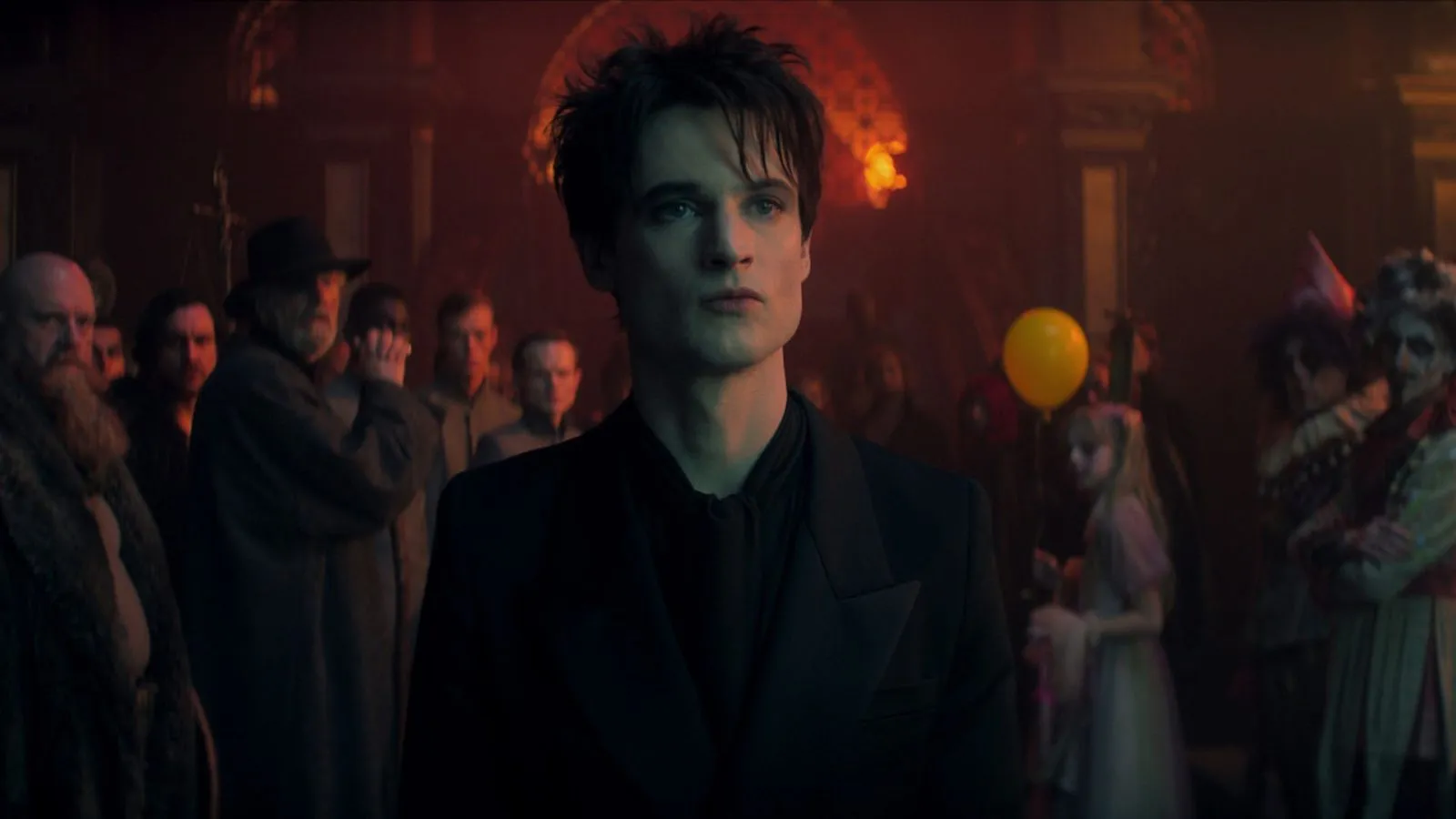
If Season 1 of The Sandman was a moody, gothic exploration of morality and survival, Season 2 Part 1 increases the complexity. It introduces gods, monsters, and celestial bureaucracy while forcing Dream, Morpheus, the brooding Dream of the Endless, to confront himself rather than external threats. The story blends myth, philosophy, and emotional reckoning, pushing the narrative beyond fantasy into a meditation on duty, love, and responsibility.
The season opens with the Endless, including Death, Desire, Despair, Delirium, and Destiny, gathering not out of affection but because of a looming sense of doom. Dream’s estranged sibling, Destruction, is absent, creating a philosophical void in the family dynamic. The reunion emphasizes the central theme of reckoning. Familial bonds, long-standing grudges, and cosmic responsibilities collide, forcing Dream to confront unresolved issues, particularly with Nada, his banished former lover.
Nada, once a Queen who refused Dream’s eternal devotion, becomes the catalyst for Dream’s self-reflection. Condemned to Hell in his anger, she embodies the consequences of his impulsive pride. Death intervenes, pointing out Dream’s moral failure and setting him on a quest for both Nada’s redemption and his own emotional growth. Unlike the first season, which focused on survival, this journey emphasizes personal accountability over cosmic adventure.
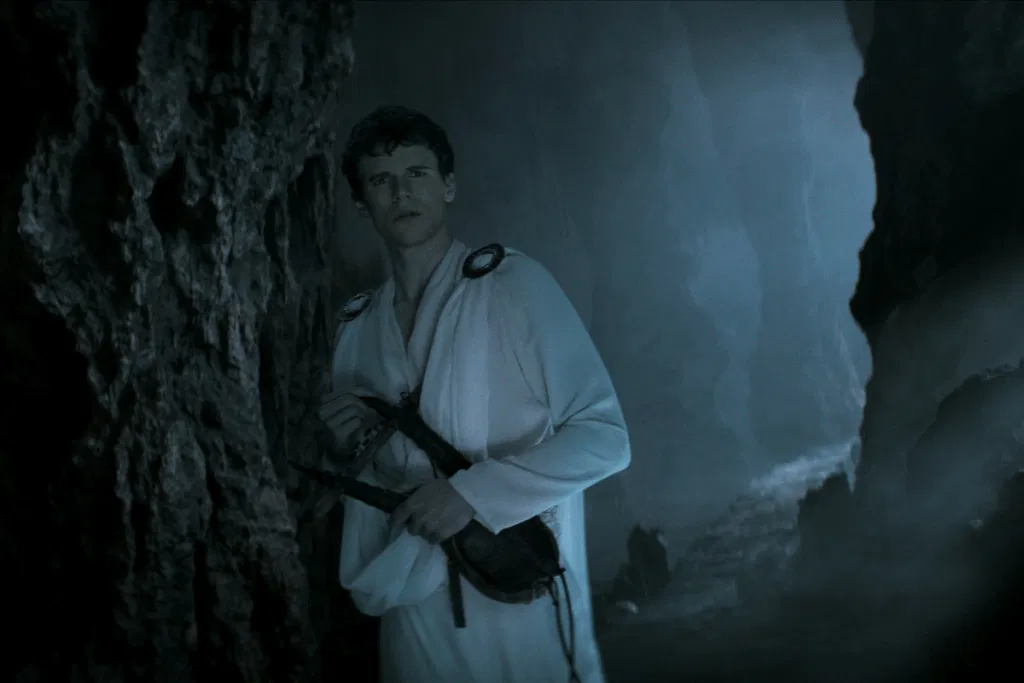 The Sandman Season 2 (Warner Bros. Television)
Delirium’s Quest for Destruction Reveals Mortality, Ethics, and Dream’s Personal Moral Reckoning
Delirium initiates the search for Destruction, the sibling who abandoned his duties centuries ago. Destruction’s absence raises existential questions about destiny and responsibility. Dream, however, hides his true motivation, which is a hope to encounter Nada. The narrative contrasts the philosophical views of Dream and Destruction, representing duty versus foresight, and frames the Endless as divine beings struggling with ethical dilemmas that ripple across both mortal and immortal realms.
The journey to find Destruction triggers a series of violent and tragic events. Mortals connected to Destruction, such as Ishtar, die in mysterious ways, highlighting the fragility of human life and the unintended consequences of divine neglect. Desire’s outrage over these deaths complicates the Endless’ relationships, illustrating the tension between immortal power and human vulnerability. Dream’s indirect role in these events initiates his first steps toward genuine introspection.
A particularly poignant episode involves Wanda, a trans human guide who accompanies Dream and Delirium through the mortal world. Her accidental death, compounded by her family’s erasure of her identity, becomes a moment of deep reflection for Dream. By honoring Wanda’s chosen name and favorite book on her tombstone, Dream affirms human dignity and identity. This act mirrors his evolving understanding of grace, mortality, and the consequences of his actions.
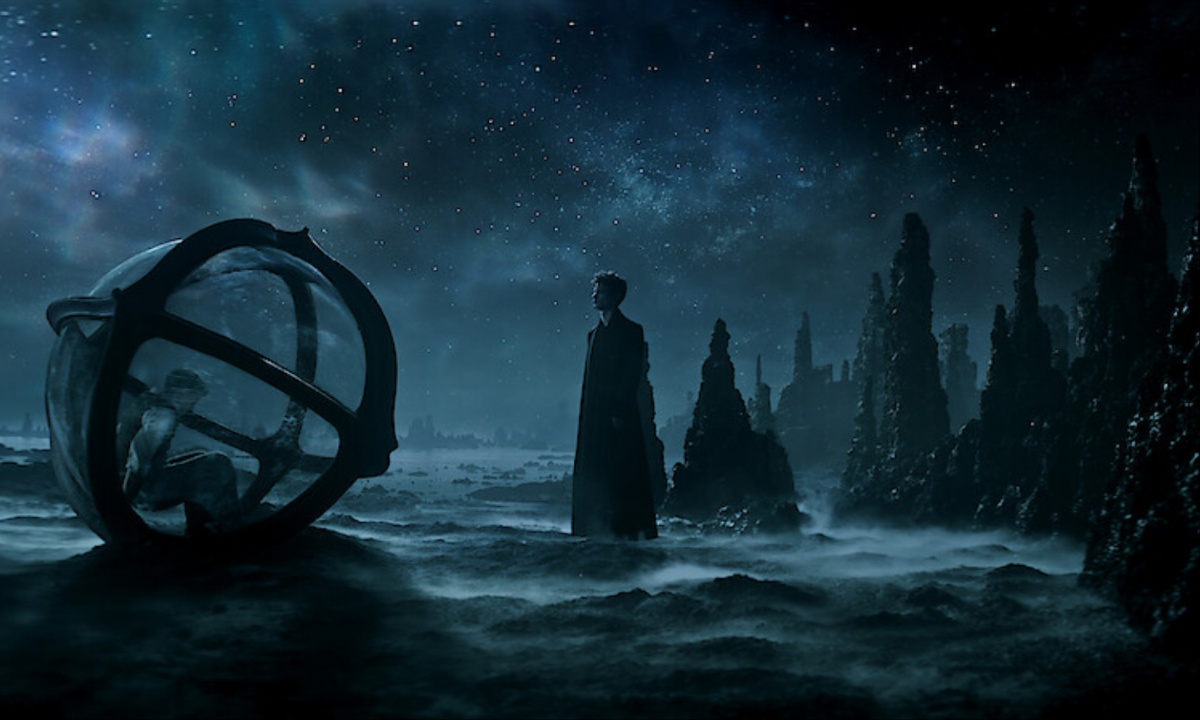 The Sandman Season 2 (Warner Bros. Television)
Dream Faces Chaos, Orpheus’ Fate, and the Fates’ Cosmic Judgment Consequences
Dream’s journey into Delirium’s chaotic realm forces him to confront illusions, memories, and his own shortcomings. The trip, surreal and kaleidoscopic, culminates in a rare apology to Delirium, highlighting Dream’s emotional growth. Together, they abandon their plan to consult old contacts and instead seek Destiny’s guidance. Even Destiny, who sees all, cannot provide direct answers, sending them to an oracle, which emphasizes the inevitability of moral and cosmic choices.
Dream’s estranged son, Orpheus, represents both mortality and the consequences of hubris. Immortal but tormented, Orpheus failed to retrieve Eurydice from the underworld and exists in limbo, unable to release his grief. Dream ends Orpheus’ suffering, committing an act forbidden to the Endless: killing a family member. This moment marks Dream’s most profound moral reckoning, blending mercy with transgression and setting the stage for the season’s prophetic consequences.

The Kindly Ones, or Fates, witness Dream’s violation of cosmic law. The act of killing Orpheus fulfills a triple prophecy: a king forsakes his kingdom, life confronts death, and an ancient war resumes. The snip of the thread by the Crone signals the impending reckoning for Morpheus. While the consequences are delayed, the audience understands the magnitude of Dream’s choices and the inevitability of divine justice, framing the next phase of the story as both suspenseful and morally significant.
The season concludes with a mixture of loss, preparation, and hope. Dream has sacrificed personally and morally, but the Dreaming is poised for transformation through Daniel, Lyta Hall’s dream-born child.
The continuity of the Dreaming suggests that even as Dream faces cosmic retribution, the universe persists. Season 2 Part 1 ends on the tension between inevitability and choice, setting the stage for Dream’s ultimate reckoning and emphasizing themes of legacy, responsibility, and the cost of divine and human decisions.