
Netflix’s Too Much, created by Lena Dunham, takes the familiar romcom formula and twists it into something raw, surreal, and deeply self-aware. The series begins with traditional beats, with a girl meeting a boy, escaping an ex, and encountering a charming yet emotionally stunted musician, but quickly evolves into a meditation on heartbreak, trauma, and personal reckoning.
Set between New York and London, the show explores not just falling in love, but surviving life’s emotional collapses, while blending humor, absurdity, and existential reflection.
Jessica Salmon’s Chaos and Growth Amid Loss, Love, and Digital Vulnerability
At the center of the story is Jessica Salmon, played by Megan Stalter, a neurotic, funny, and painfully sincere protagonist whose private Instagram diary accidentally goes public, igniting chaos in her life. Her videos, both intimate and humiliating, force her to confront vulnerability in the digital age.
Instead of destroying her, this exposure accelerates her self-awareness and pushes her toward emotional growth, highlighting the series’ themes of honesty, self-destruction, and the messy reality of modern life.
 Too Much (Good Thing Going)
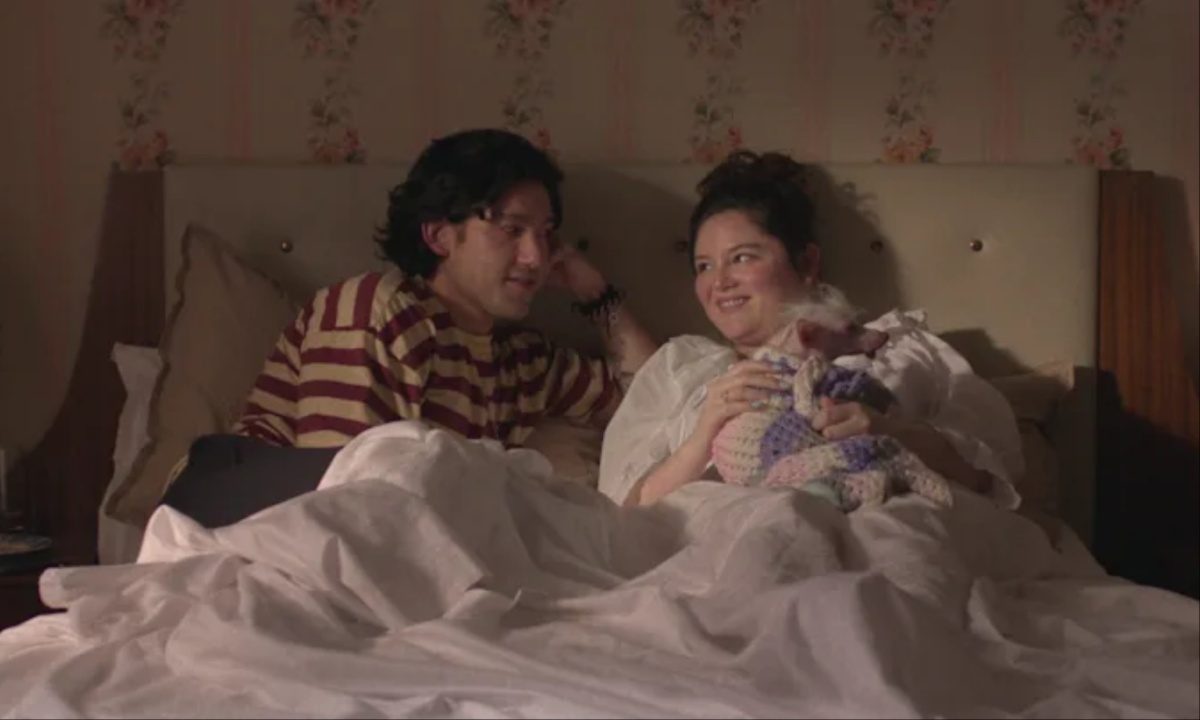
Grief drives much of the series’ emotional weight. Jessica’s dog, Astrid, her one stable post-breakup relationship, dies suddenly, triggering a cascade of emotional conflict. Her boyfriend, Felix, played by Will Sharpe, struggles with his own failings, including infidelity, creating an intense emotional clash.
Their arguments are less about romance and more about confronting accumulated pain, emphasizing Too Much’s willingness to portray relationships in their messy and imperfect reality rather than polished romcom fantasy.
Surreal Romance, Grand Gestures, and a Realistic Ending
Despite its darker elements, the show retains romcom hallmarks, often in unpredictable ways. Jessica and Felix’s relationship culminates in a bizarre, literal glue-in at a climate protest, blending absurdity with emotional truth.

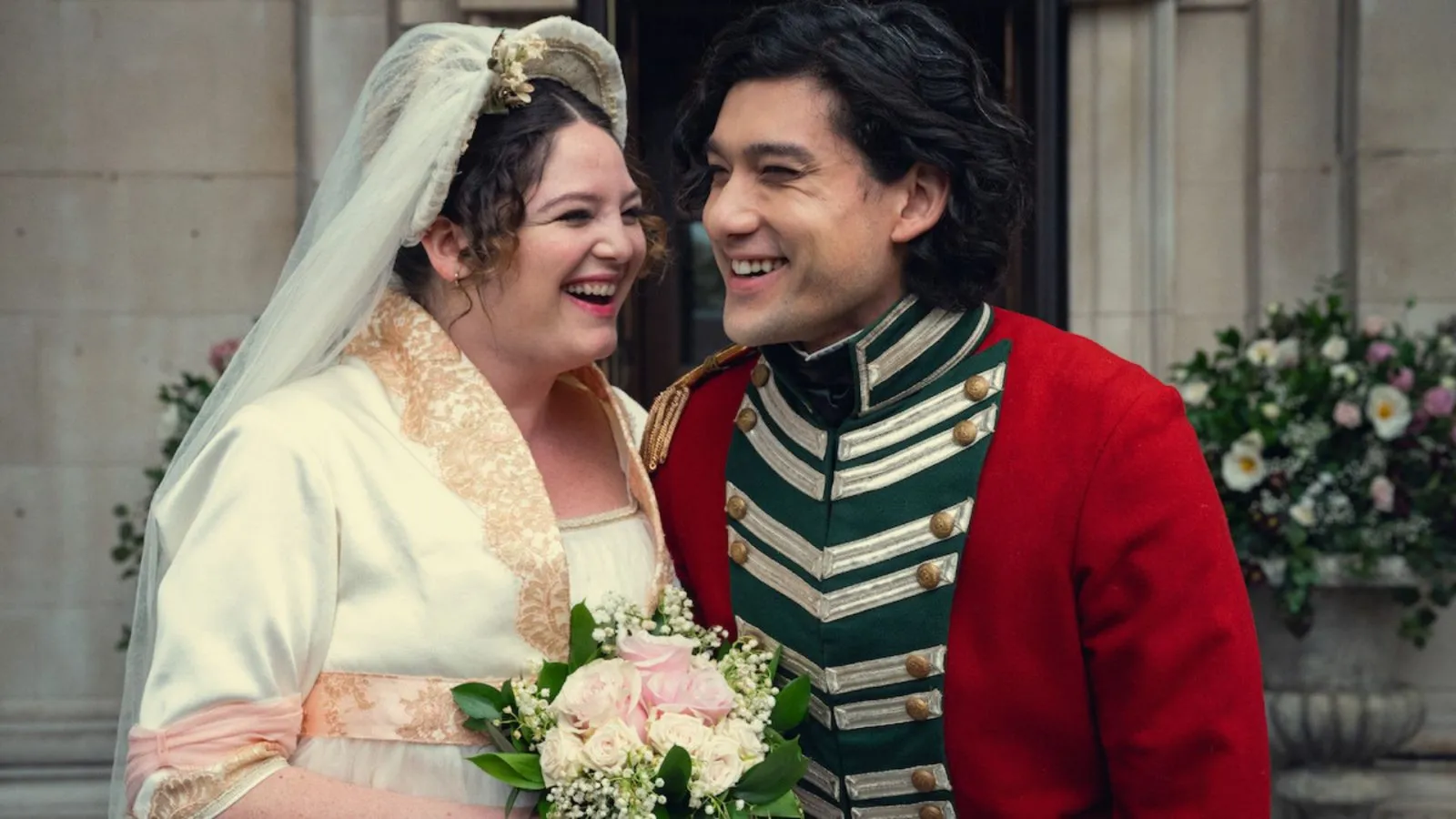
Their interaction is both romantic and performative, showcasing Dunham’s balance of comedy and vulnerability. Felix’s impromptu proposal while Jessica is being arrested embodies the series’ mix of chaos and heartfelt gestures, keeping viewers suspended between disbelief and delight.
The finale provides momentum rather than closure. A montage shows characters thriving, yet the final marriage of Jessica and Felix remains a fragile, messy commitment.
Their union is built on honesty, poor choices, and mutual co-dependence, leaving viewers with a realistic, if unsettling, sense of “happy for now” rather than traditional happily ever after. Too Much concludes as a testament to life’s unpredictability, celebratory, chaotic, and beautifully unresolved.