
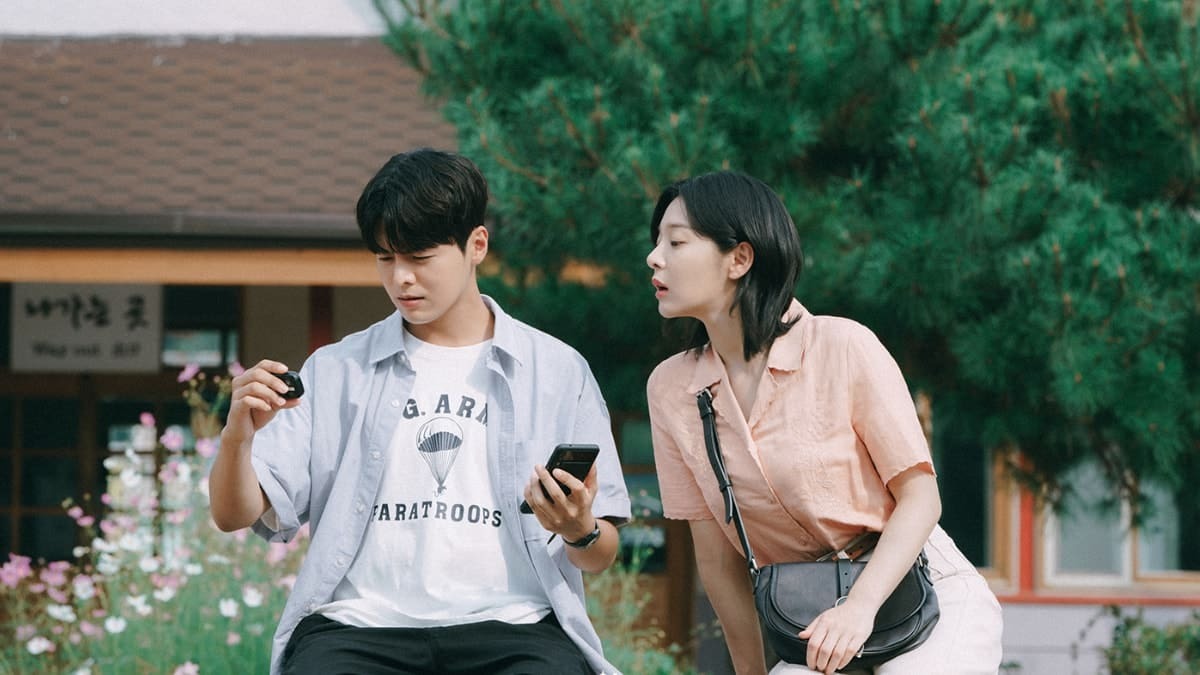
Twinkling Watermelon wrapped up its time-traveling tale with a message rooted in acceptance, forgiveness and connection across generations. The story moved between two different timelines, but it made sure that every moment meant something for the characters who were trying to make peace with their choices and their pain.
While music stayed central to how emotions were shared, the relationships, both past and present, became the real heart of the show.
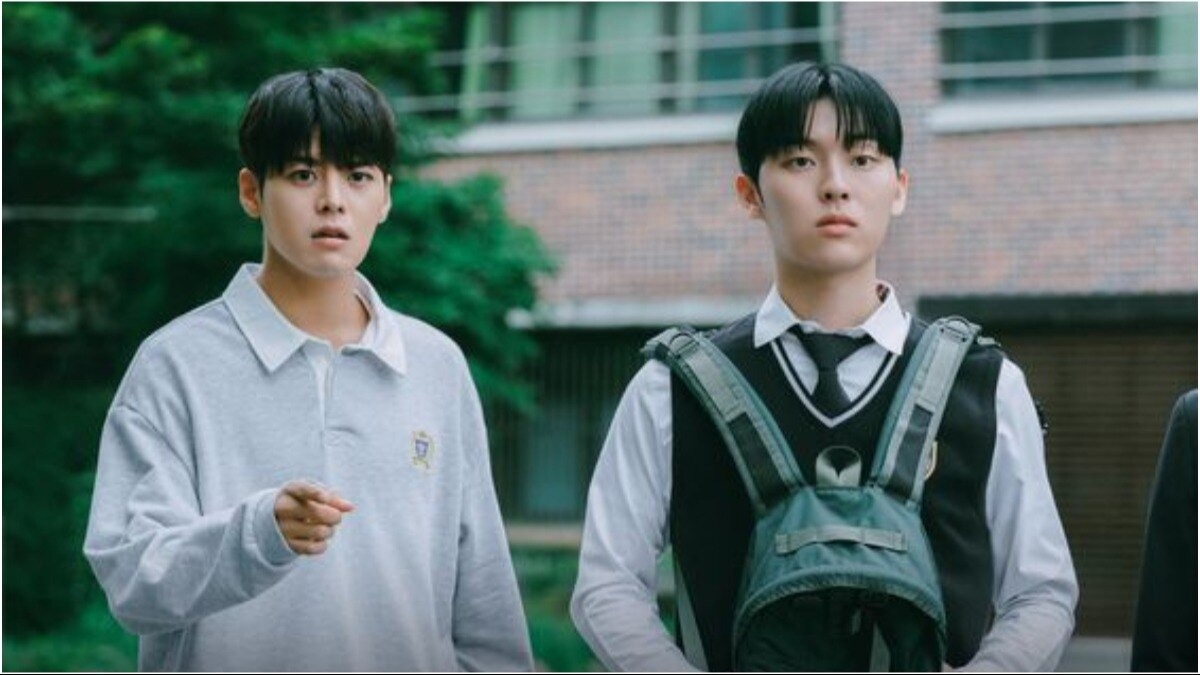 Some songs are meant to echo across generations (Photo: Twinkling Watermelon/Pan Entertainment and Studio Dragon)
Ha Eun-gyeol’s journey carried a strong emotional weight from the start. As the only hearing person in a family where his parents and brother were deaf, he had always carried the burden of translating the world for them.
But by finding himself in the year 1995, he was suddenly faced with a version of his father, Ha Yi-chan, that he had never met before. This version of Yi-chan was younger, full of dreams, yet completely unaware of the tough future waiting for him.
This unexpected meeting gave Eun-gyeol an opportunity to understand his father in a way he never could in their present-day life. But trying to help without changing too much proved to be more difficult than he imagined.
Trying to Protect the Past Without Damaging the Future
Eun-gyeol stepped into the past believing he could quietly make things better. He thought his actions would allow his family to live with less pain. But time travel carries its own weight, and every small decision had the power to change the future he came from.
Watching his father fall in love with Se-kyung, instead of the woman who would later become Eun-gyeol’s mother, quickly brought fear and doubt. His desire to return things to how they were became a race against time.
At the same time, he began to form his own friendships and develop his identity more deeply through the band he started.
The story showed how difficult it can be to step back when emotions are involved. Eun-gyeol’s actions were driven by love, but they also carried consequences he could not predict. He wanted to help his parents live happier lives, but there was always the risk of losing himself along the way.
Love Grew Stronger Through Sacrifice
As the story moved toward its final moments, love took centre stage in more than one relationship. Yi-chan’s deep feelings for Cheong-ah came through clearly, even though communication between them was difficult. Cheong-ah, being deaf, had often been isolated by people around her. But Yi-chan was one of the few who saw her clearly and never treated her as anything less.
Their love story was tender but filled with obstacles. They both had to overcome outside expectations and learn to trust each other deeply. Eun-gyeol, watching it all happen, found himself rooting for their love, even as he worried about what it would mean for his future.
Cheong-ah’s quiet strength brought calm to many chaotic situations. She was often the one who showed others how to pause and listen — not just to words, but to intention and emotion. Her relationship with Yi-chan reflected a kind of partnership built on mutual care, even when their world kept pushing back.
Music Became the Bridge That Connected Everything
One of the strongest threads running through the entire story was how music allowed people to say things they could not speak aloud. For Eun-gyeol, it was both a calling and a way to express pain, hope and love. The band he started in 1995, Watermelon Sugar, gave him a new kind of family during his time in the past.
Each member of the band found something healing through the music they created. For Yi-chan, it offered a way to dream beyond the limitations people had placed on him. For Se-kyung, music became a way to connect with others on her own terms. And for Eun-gyeol, it became a tool to bring people together across time.
The show never treated music as just background. It was the tool that allowed characters to connect across generations, across hearing and deaf communities, and across emotions that were too complicated to put into words.
Letting Go Became the Final Step Toward Healing
By the time Eun-gyeol had to return to his proper timeline, he had already grown in ways he did not expect. His initial goal had been to stop his father’s accident from happening and to fix whatever had gone wrong in their lives. But he came to realise that trying to remove pain does not always lead to peace.
He learned that his parents were not people to be fixed. They had lived full lives, full of both struggle and love, and those experiences had shaped them into the people they became. Trying to rewrite their path was not his responsibility. His job was to honour their story by understanding it, not by changing it.

Saying goodbye to the people he had grown close to in the past, including the young versions of his parents, was emotional. It was not just about time travel anymore. It had become a lesson in stepping back and allowing people to live their lives with dignity, even if pain is part of that journey.
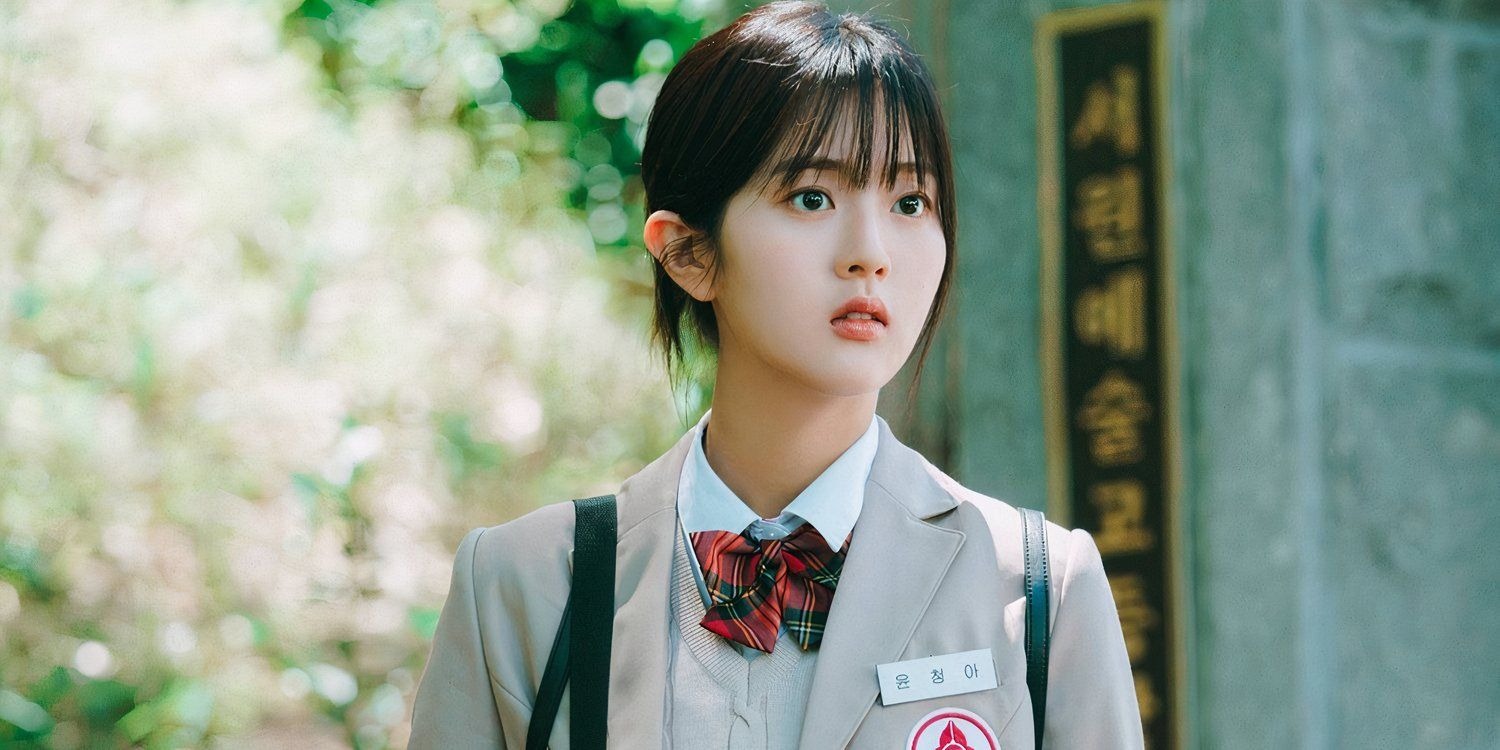 Between notes and memories, he found forgiveness (Photo: Twinkling Watermelon/Pan Entertainment and Studio Dragon)
Family Meant More Than Just Blood or Time
One of the strongest messages from *Twinkling Watermelon* was the way it showed family as something deeper than names or birthdays. Eun-gyeol’s connection to his parents did not depend on whether they could hear or whether their lives had been easy. It was about how much they loved and supported each other despite the gaps in their understanding.
His relationship with his brother Ha Eun-ho also became more grounded. At the start, Eun-gyeol had struggled to connect with Eun-ho because of the communication gap. But after his journey, he returned with more patience and appreciation for his brother’s experience. They might have grown up in the same house, but seeing the full weight of their shared history allowed Eun-gyeol to see his brother differently.
Yi-chan and Cheong-ah’s bond also showed that love does not need to be loud to be strong. Their connection was built through careful attention and small actions. Even when the world tried to separate them, they found ways to hold on to each other. Their future together might not have been perfect, but it was filled with care and truth.
The Ending Focused on Moving Forward With Understanding
When Eun-gyeol returned to the present, everything looked the same on the surface. But the way he saw things had completely changed. He no longer looked at his parents with frustration. He had witnessed their youth, their dreams, and the pain they carried. That gave him a level of empathy that could not be taught, only lived.
His experience also shaped his understanding of his own path. He did not return from the past looking for fame or success through music. Instead, he came back with a deeper purpose. Music was now about memory, about honouring the people who had shaped him, and about connecting with others through shared feeling.
The ending of the show brought every emotional thread together without rushing to tie everything into a perfect bow. It allowed space for reflection and growth, showing that sometimes the best outcome is not a grand reward, but quiet understanding.
By the final scene, viewers were left with a sense that time travel had not just changed one character’s life. It had reminded everyone that love, patience and listening — especially when people communicate differently — are what truly hold families and friendships together. Twinkling Watermelon* is currently available for streaming on Viki.