
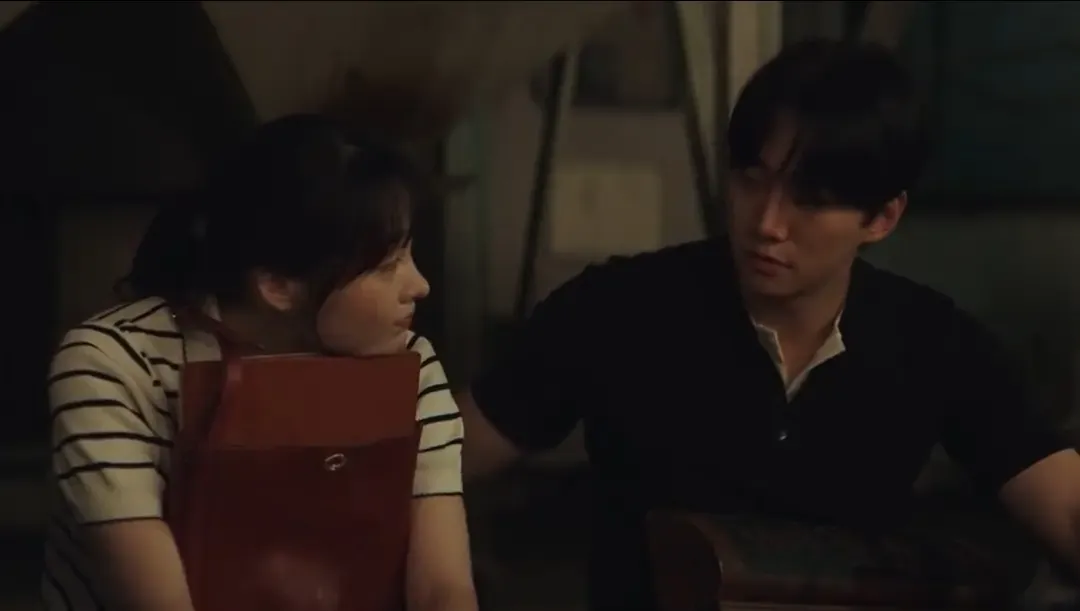
Typhoon Family, directed by Lee Na-jung, is a period drama set during the 1997 Asian financial crisis, a time that significantly impacted South Korea’s economy. The story centers on Kang Tae-poong, a young man who must take over his late father’s company, Typhoon Trading.
As he navigates this new responsibility, Tae-poong faces fierce competition from rival company Pyo Merchant Marine, run by Pyo Bak-ho and his ambitious son, Pyo Hyun-jun. The series blends corporate intrigue with personal drama, keeping viewers engaged as Tae-poong fights to prevent his company’s bankruptcy.
Strong Cast Portrays Corporate Battles While Tae-Poong Fights To Regain Control
The drama boasts a strong ensemble cast, including Lee Jun-ho as Kang Tae-poong, Kim Min-ha as O Mi-seon, Sung Dong-il as Kang Jin-young, Kim Ji-young as Tae-poong’s mother, Moo Jin-sung as Pyo Hyun-jun, and Kim Sang-ho as Pyo Bak-ho. Their performances capture the high-stakes corporate battles and intricate family dynamics, enriching the storyline and adding depth to the period setting of the late 1990s.
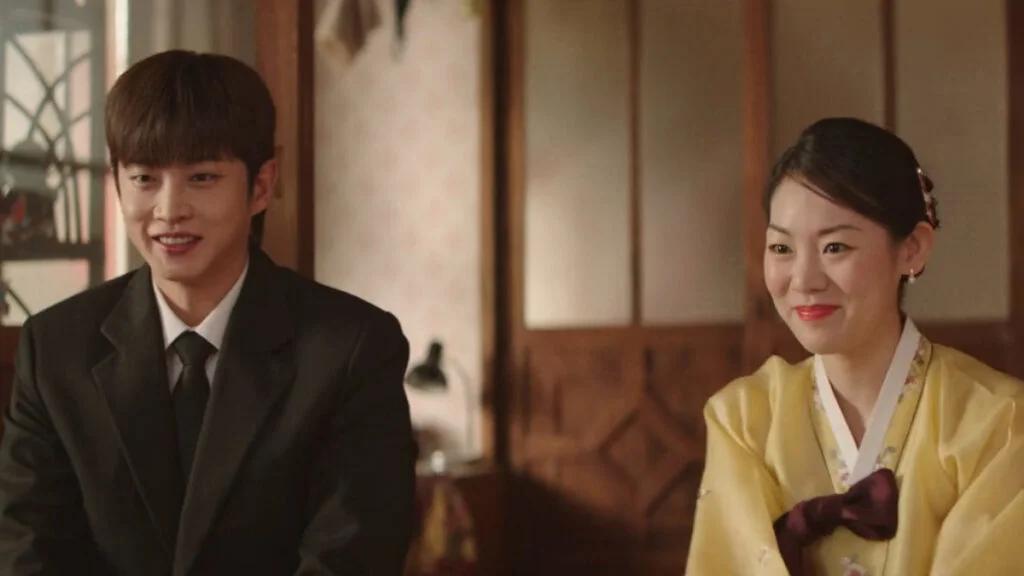 Typhoon Family (Studio PIC)
In the finale, Tae-poong faces a major challenge when Hyun-jun locks his father, Bak-ho, in an attempt to seize control of Typhoon Trading. Hyun-jun uses a newly signed document to claim Tae-poong owes money and forces him to step down as CEO. Despite this setback, Tae-poong remains determined, discovering the original promissory note proving that Bak-ho owes him a debt, which allows him to regain leverage over the situation.
Tae-Poong Restores Justice, Love, And Corporate Stability While South Korea Triumphs Nationally
Tae-poong ultimately tracks down Bak-ho and frees him, choosing not to take over Pyo Merchant Marine despite having the legal right. Instead, he prioritizes the well-being of the employees and families involved. Hyun-jun, having lost everything due to a failed business deal, is arrested for malpractice, embezzlement, and arson. Tae-poong then returns as CEO of Typhoon Trading, marking a satisfying resolution for both justice and corporate stability.

Alongside corporate drama, the series explores the relationship between Tae-poong and Mi-seon. Initially, colleagues gradually develop feelings for each other. In the final episode, they openly confirm their romantic relationship, receiving subtle approval from Tae-poong’s mother. This subplot provides an emotional anchor and adds a hopeful, personal dimension to the story.
The drama concludes on a positive and patriotic note. Typhoon Trading participates in a charitable television program, improving its public image, and embarks on a new business venture with a gaming company. The series ends with Tae-poong and his colleagues walking together as a broadcast announces South Korea’s successful repayment of its IMF debt three years ahead of schedule, symbolizing national recovery and resilience.