
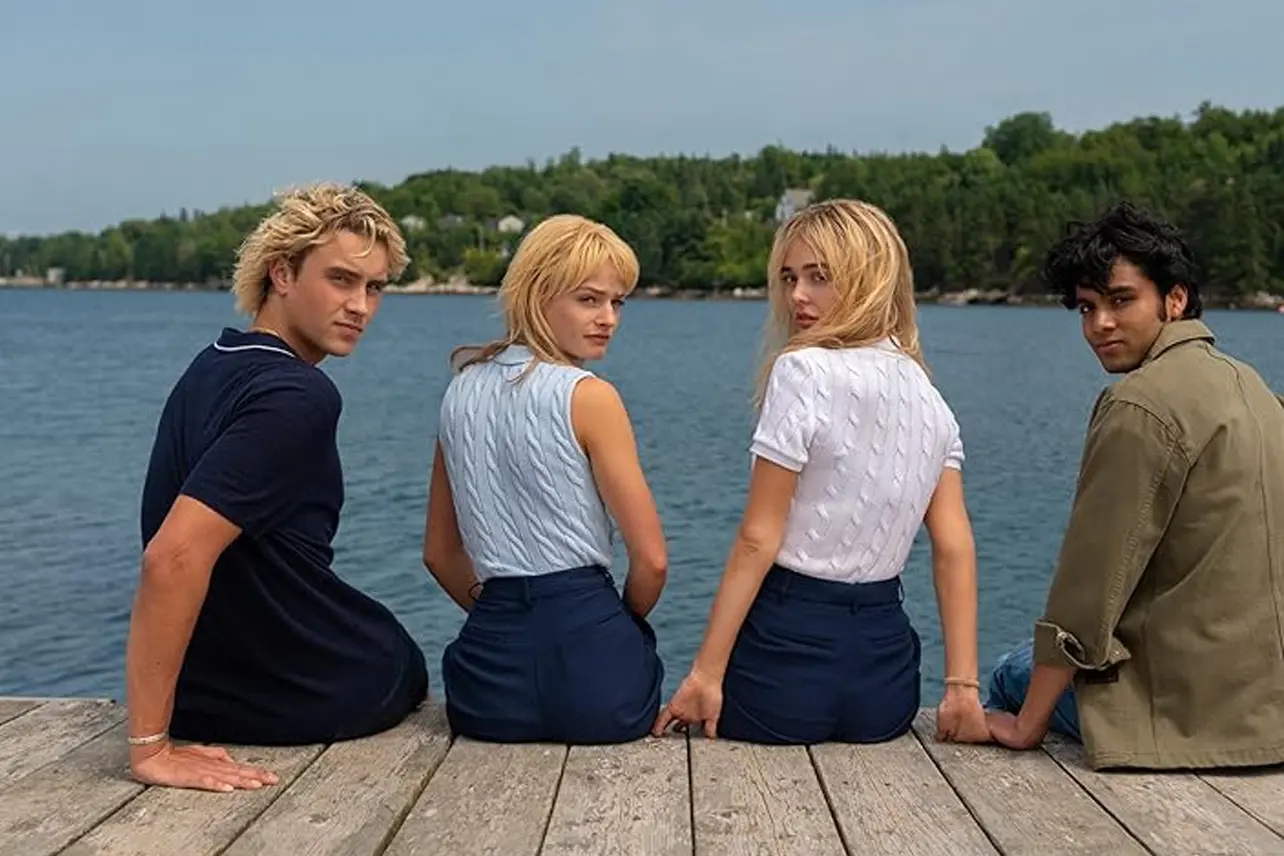
We Were Liars, based on E. Lockhart’s psychological thriller novel, is a series that leaves viewers mesmerized and emotionally drained. Watching it can feel like stepping into a sunlit coming-of-age story, only to discover hidden trauma beneath the surface. Its quiet devastation comes from the tension between nostalgia and horror, where familiar summer aesthetics mask dark truths.
Unlike conventional thrillers, its power lies not in overt scares but in the slow reveal of suppressed memories and guilt. The show explores how past mistakes linger, shaping the present, and how memory itself can be unreliable, hiding pain until it can no longer be ignored.
At first glance, We Were Liars appears to be a twisty drama about wealthy teenagers on a private island. Its true depth comes from exploring grief, regret, and the lies we tell to protect ourselves and others. The series portrays the Sinclair family’s obsession with wealth and appearances while revealing the psychological cost of these dynamics.
Through Cadence, the protagonist, viewers see how trauma shapes memory and identity. The series blends heartbreak and suspense, encouraging the audience to confront complex emotions instead of simply following a mystery plot.
 We Were Liars (Amazon MGM Studios)
Beechwood Island, the Sinclairs’ Secrets, and the Tragic Summer of Fifteen
Beechwood Island, the series’ central setting, is a meticulously crafted world that feels part Martha’s Vineyard, part Wes Anderson aesthetic, yet shadowed by generational tension. The Sinclair family is affluent, secretive, and avoids overt displays of emotion. Cadence, returning after a mysterious accident two summers ago, embodies lingering pain from unspoken trauma.
Her migraines and memory gaps signal deeper unrest, positioning her as both narrator and witness to events that shaped the family and herself. This setting grounds the narrative in beauty while hinting at the darkness beneath the surface.
The Liars, Cadence, Johnny, Mirren, and Gat, form the heart of the story. Their bond is idyllic and filled with the warmth of youth: laughter, dreams, and shared secrets beside the sea. These memories are deceptive because the sun-drenched camaraderie is filtered through Cadence’s fractured recollections, with hints of trauma and unresolved tension.
Gat, an Indian boy often marginalized by the Sinclairs, and the other friends symbolize both loyalty and the fragility of adolescence. Their interactions evoke nostalgia while hiding the tragic events of the past, creating a haunting contrast between memory and reality.
Summer Fifteen is the turning point of the story. Frustrated with family greed, conditional love, and discrimination against Gat, the Liars attempt to make a symbolic stand by burning down the family mansion, Clairmont. Their plan spirals out of control.
Cadence accidentally ignites a fire that consumes the house, killing her friends and leaving her traumatized. Her memory suppresses the horrific events, revealing the truth through disjointed recollections. This moment illustrates how youthful naivety and idealistic intentions can collide with irreversible consequences, shaping the emotional core of the series.
 We Were Liars (Amazon MGM Studios)
Grief, Memory, and Hallucinations Reveal Cadence’s Struggle with Trauma and Survivor Guilt
The series explores grief through hallucinations and memory. Cadence interacts with her deceased friends as if they are still alive, showing her inability to process the tragedy. Her relationship with Gat, including a symbolic kiss, represents both longing and mourning.

When the Liars jump into the water together, only Cadence resurfaces, symbolizing the painful isolation of survivor’s guilt. This portrayal emphasizes that grief is both personal and haunting, blurring the lines between reality, memory, and imagination, forcing the audience to confront the complexity of trauma.
While Cadence deals with private trauma, the Sinclair family manipulates public perception. Harris Sinclair, the patriarch, tries to shape her story for outside observers, presenting her as brave instead of grieving.
This contrast highlights societal pressures, performative mourning, and moral failures in positions of power. Cadence quietly rejects this narrative by embracing personal truth over family legacy, showing the series’ focus on authenticity and the cost of surviving tragedy.
We Were Liars is ultimately a story of grief disguised as a mystery, where the twist does not shock but illuminates human consequences. Cadence’s journey shows how memory can shield us from pain until it can no longer do so. The series lingers because it examines guilt, love, and the long-term impact of choices made in youth.
While uneven at times in aesthetics or pacing, it resonates due to Emily Alyn Lind’s portrayal of Cadence and the emotional weight of the story. Like salt on skin or regret in summer heat, We Were Liars stays with viewers long after the screen goes dark.