
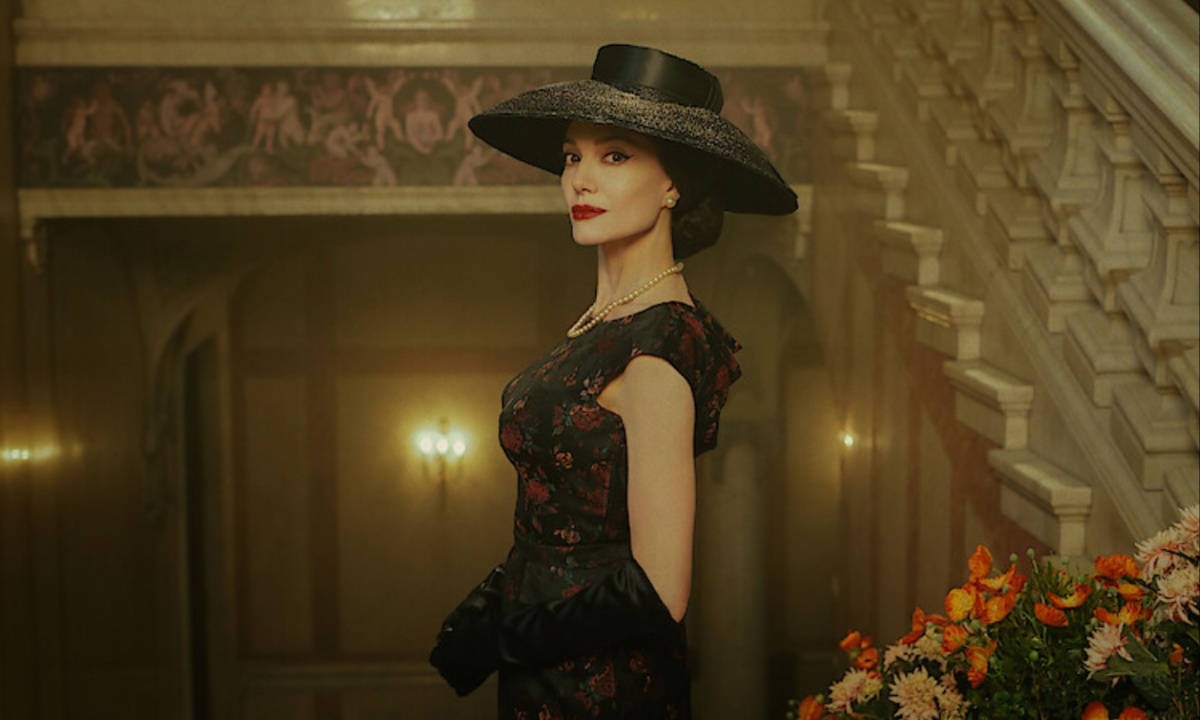
Angelina Jolie’s closing performance in Pablo Larraín’s biographical drama Maria delivers a striking emotional blow. The film concludes with Jolie, portraying famed opera singer Maria Callas, unleashing her true singing voice for the first and only time during production. Larraín explained that Jolie saved her natural vocals for the final shoot, which made the ending feel raw, authentic, and deeply affecting.
Callas’ Final Song in Paris Captures Art, Legacy, Tragedy, and Emotional Triumph
The final scene shows Callas alone in her Paris apartment, singing “Vissi d’arte” from Tosca, a plea addressed to God about a life devoted to art. Larraín focuses not only on Jolie’s powerful performance but also on the crowd gathering outside, mesmerized as the city momentarily stops to listen. This cinematic moment symbolically grants Callas a grand and reverent farewell that she never received in real life.
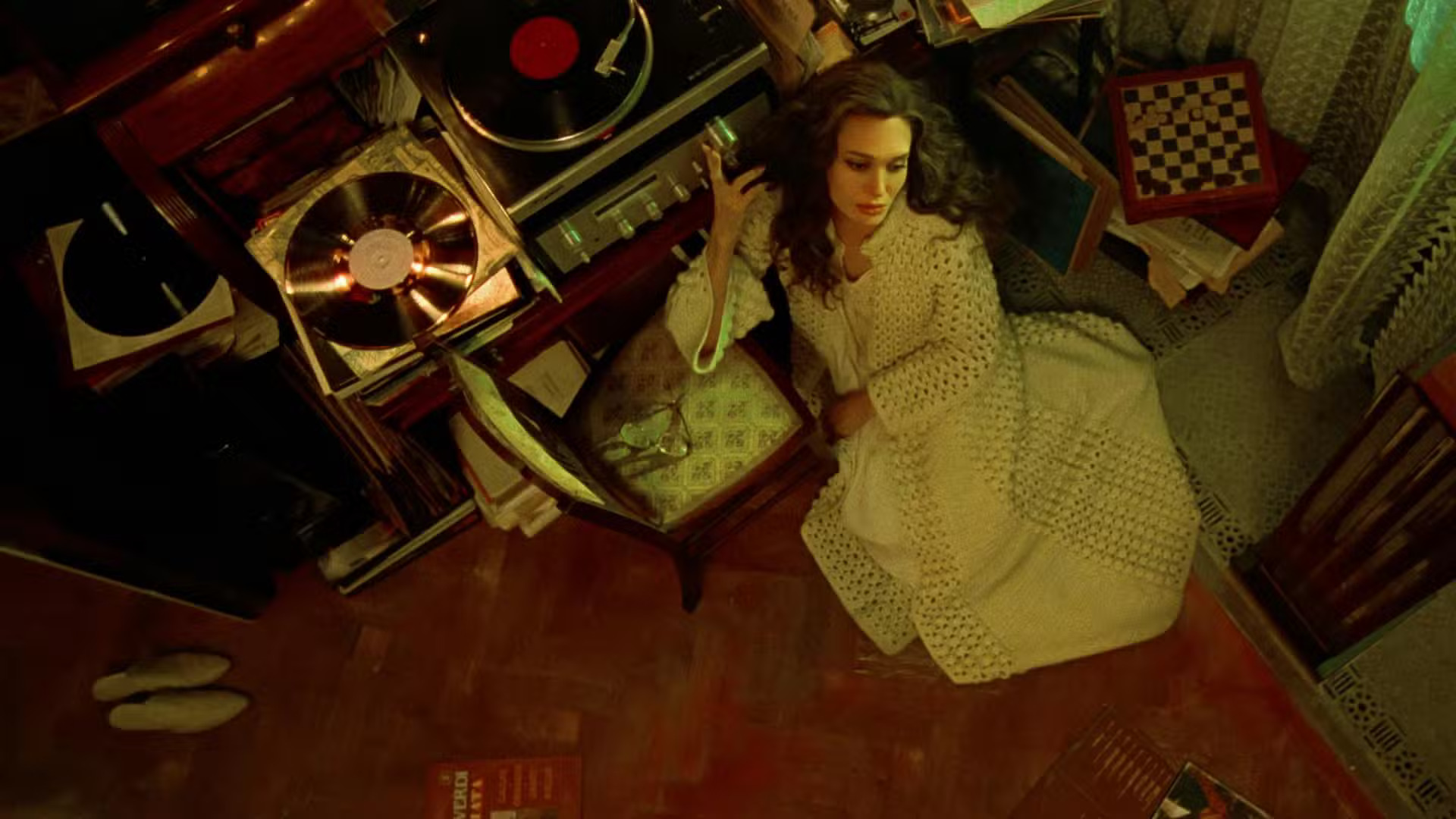 Angelina Jolie as Maria Callas (Maria/Netflix)
Larraín hopes the scene reframes Callas’ death and artistic legacy by presenting her final moments as a culmination of the tragedies she portrayed onstage. He describes the choice of “Vissi d’arte” as deliberate, since it encapsulates Callas’ emotional and artistic journey. In the film, her collapse after the performance reflects both fulfillment and heartbreak, creating a celebration of a life defined by art and sacrifice.
Jolie’s Final Performance and Callas’ Death Reflect Triumph, Devastation, and Lingering Emotional Impact
The climactic performance was filmed on the last day of shooting, which mirrored the symbolic weight of Callas’ final moments. Larraín recalls Jolie giving everything she had, both vocally and emotionally, leaving him in tears behind the camera. Jolie had to convey the joy of rediscovering her voice along with the pain of physical and emotional fragility. This created a complex blend of triumph and devastation.
After Callas’ death, the film ends with her companions Ferruccio and Bruna embracing as they confront life without her. This moment echoes an earlier scene in which Callas expresses her hope that they remain together after she is gone. Larraín describes the final shot as an existential reflection filled with longing, sadness, and acceptance. It captures the beauty and emotional complexity of continuing on after the loss of someone who shaped their lives.