
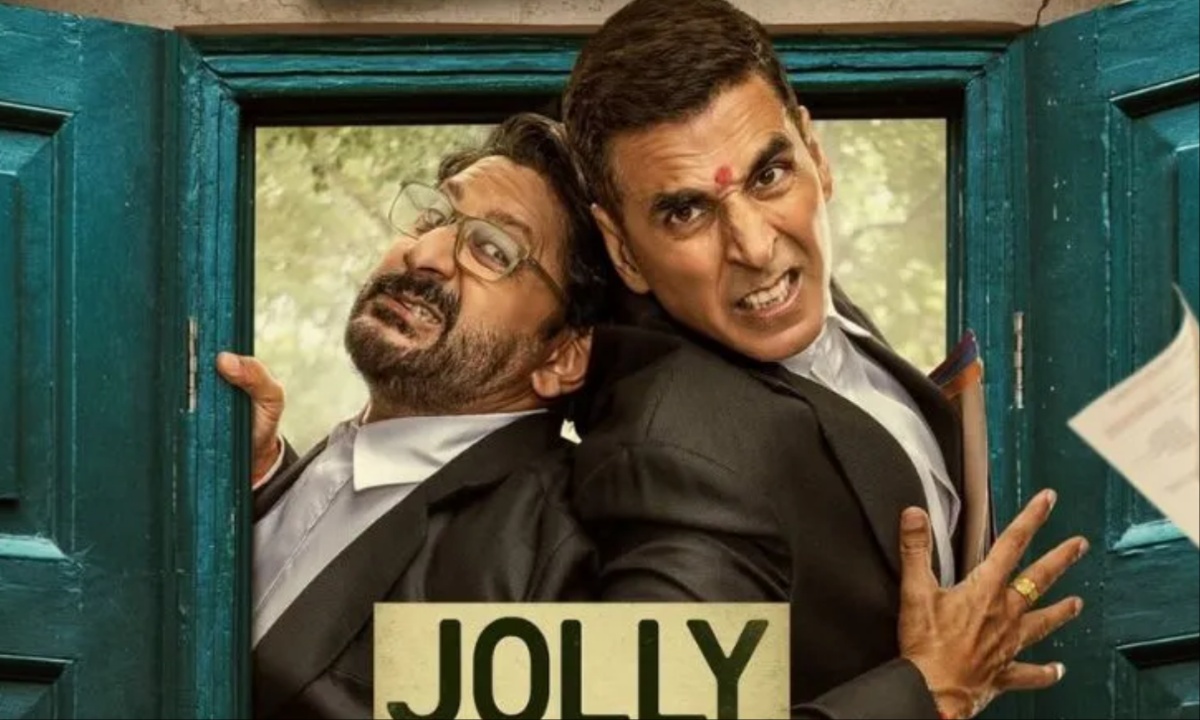
Jolly LLB 3 raises the pressing question: what are we, as a nation, willing to sacrifice in the name of urban development? India takes pride in its cultural diversity and age-old traditions, yet rampant capitalism often threatens these values.
The film critiques how powerful businessmen exploit legal loopholes to seize agricultural lands, reducing farmers to collateral damage in the name of progress. Director Subhash Kapoor uses this installment to highlight systemic issues and ethical dilemmas surrounding land acquisition.
The Jolly LLB series is known for its socially relevant narratives. The first film (2013) exposed corruption, manipulation of evidence, and exploitation of the legal system by the wealthy. The second installment drew inspiration from fake police encounters to uncover larger societal injustices. With Jolly LLB 3, Kapoor brings together Akshay Kumar and Arshad Warsi to fight for farmers’ rights, blending courtroom drama with social commentary.
Greedy Tycoon’s Exploitation Sparks Tragedy, Forcing Widow to Seek Justice Relentlessly
The story centers around a greedy business tycoon, Haribhai Khaitan, who illegally acquires a village in Rajasthan for a multi-million-dollar project. His actions drive a farmer, Rajaram Solanki, to suicide after the court accepts falsified documents. The tragedy sparks outrage among villagers, setting the stage for a legal battle. The film then explores whether the two titular lawyers, both named Jolly, can secure justice for the farmer’s family and the affected village.
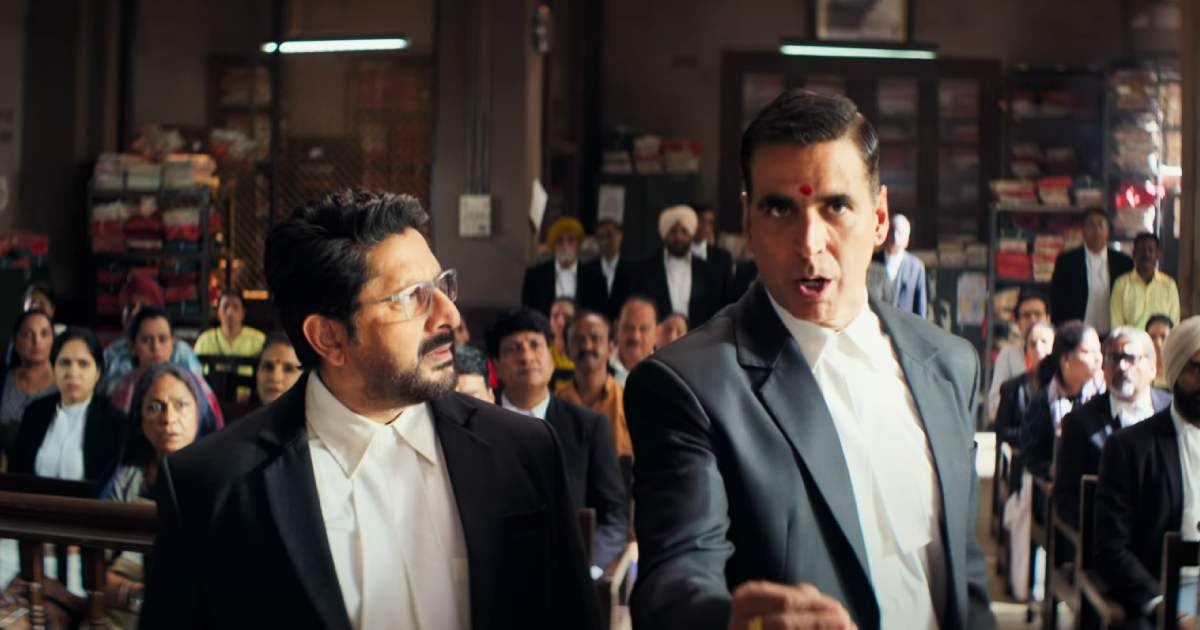 Jolly LLB 3 (Star Studios)
Khaitan tries to pacify Rajaram’s widow, Janki, with a cheque of INR 10 lakh, which she rejects. In retaliation, he spreads false stories in the media, resulting in further tragedy when Janki’s daughter-in-law commits suicide. Despite being left alone, Janki courageously seeks legal assistance, embodying resilience against corruption and exploitation. Her fight becomes the catalyst for the convergence of the two Jollys in the courtroom.
Two Jollys Unite Against Corruption, Exposing Injustice and Fighting for Farmers’ Rights
Akshay Kumar’s Jolly Mishra and Arshad Warsi’s Jolly Tyagi initially clash over client representation. Tyagi takes Janki’s case, while Mishra is hired by the Imperial Group. Their playful rivalries and conflicts, both in court and outside, add humor and energy to the narrative. Eventually, Mishra realizes the moral implications and joins forces with Tyagi, highlighting themes of conscience, collaboration, and the triumph of ethics over greed.
The legal battle intensifies with Advocate Vikram representing Khaitan, while the Jollys fight for the farmers. The film portrays systemic corruption, bribery, and media manipulation, showing how powerful entities exploit legal loopholes.

The Jollys’ strategic, ethical approach gradually exposes Khaitan’s malpractices, turning the tide in favor of the villagers. The courtroom becomes the arena where morality, justice, and public accountability are tested.
In the climactic resolution, the Jollys’ arguments highlight the sacrifices farmers make for “development” and question whether the privileged are ready to make similar sacrifices. The District Magistrate confesses to taking a bribe, exonerating the villagers.
Judge Tripathi orders the return of the lands with fair compensation and mandates further investigation into the suicides. The film ends with justice served, emphasizing the importance of protecting vulnerable communities from exploitation while challenging societal indifference to systemic corruption.