
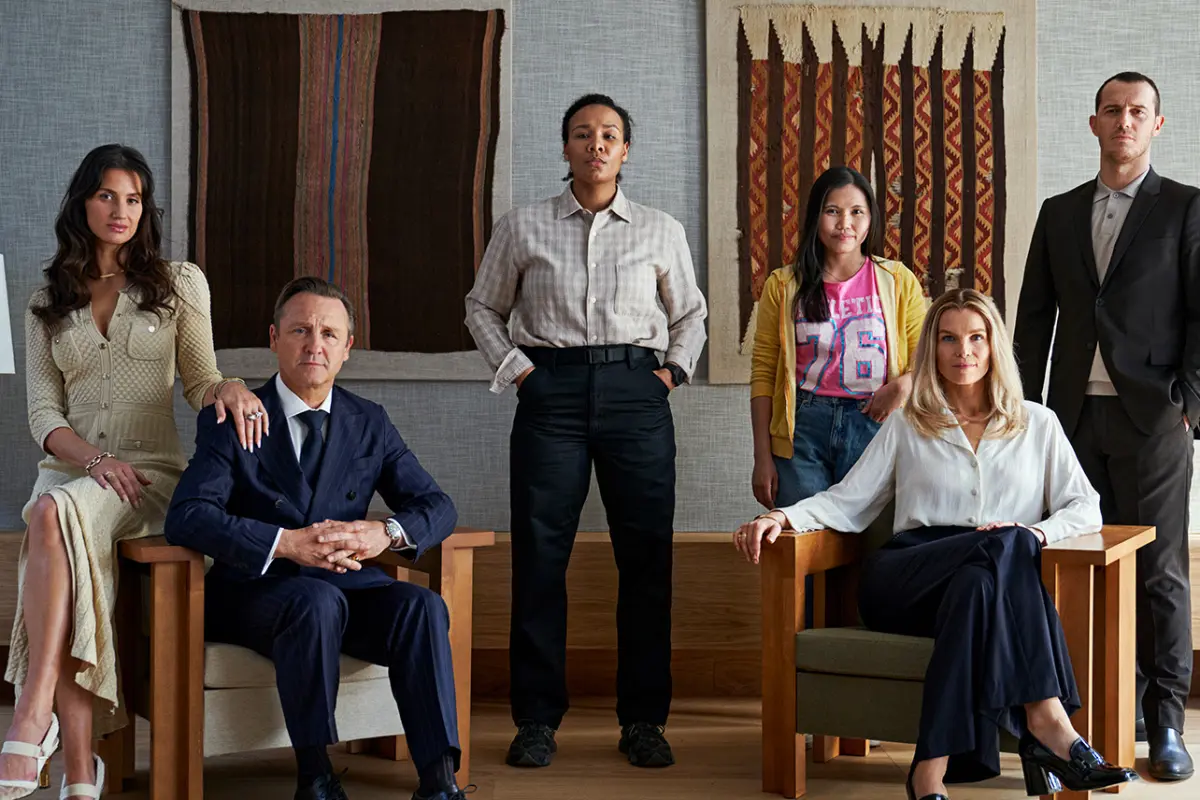
Secrets We Keep is not a comforting mystery thriller but a grim Nordic noir that exposes the darkness beneath an affluent Danish suburb. The series begins with the disappearance of Ruby, a young Filipina au pair, yet quickly moves beyond a simple missing person narrative.
As the story unfolds, it reveals how privilege, wealth, and reputation allow cruelty to remain hidden behind immaculate homes and polite smiles. The show steadily strips away the illusion of safety, showing how easily moral decay can thrive in spaces that appear flawless from the outside.
Although Ruby’s disappearance drives the plot, the series is equally invested in the psychology of adolescence and the failures of adulthood. Like other dramas centered on teenage turmoil, Secrets We Keep portrays youth as a volatile period filled with unchecked impulses and harmful experimentation.
However, the greater condemnation is reserved for the adults who choose denial over responsibility. The story asks viewers to consider not just who committed the crime, but how silence, fear of disruption, and social comfort allowed it to happen in the first place.
Ruby’s Disappearance Sparks Guilt, Suspicion, And Uncovers Dark Secrets Within Community
Ruby vanishes from the home of Katarina and Rasmus, a powerful and socially admired couple, with little concern from the wider community. Only Cecilie, their neighbor and close friend, senses that something is deeply wrong.
The night before disappearing, Ruby confided in Cecilie, expressing fear and asking for help to leave her host family. Cecilie dismissed her plea to avoid conflict and protect her husband’s business ties. When Ruby disappears, Cecilie’s guilt becomes the driving force behind her search for the truth.
 Secrets We Keep (Bleecker Street)
Suspicion initially falls on Rasmus, whose arrogance and emotional detachment make him seem capable of exploitation. The discovery of a pregnancy test near Ruby’s quarters deepens these fears. Attention then shifts to Cecilie’s husband, Mike, whose past includes a juvenile sexual assault charge.
His secretive behavior, unexplained absences, and messages exchanged with Ruby make him appear increasingly suspect. Despite these red flags, a DNA test reveals that Mike is not the father of Ruby’s unborn child, clearing him of direct responsibility and pointing toward a far more disturbing reality.

A Privileged Family’s Crime Exposed While Power Erases Truth And Denies Justice
The series ultimately reveals that Oscar, Katarina, and Rasmus’s teenage son assaulted Ruby. His behavior throughout the show includes voyeurism, hidden cameras, manipulation, and threats, all of which culminate in a filmed sexual assault. Ruby’s pregnancy and her likely attempt to confront Katarina become the turning point.
Katarina never openly admits to murder, but her chilling statements and calculated actions strongly imply that she killed Ruby to protect her son and preserve the family’s image. Evidence is erased, and the truth is buried beneath influence and silence.
The conclusion offers no justice or closure. Forensic uncertainty and lack of concrete proof mean that Oscar and Katarina may never face legal consequences. Rasmus, while not the direct killer, plays a crucial role by using his power to suppress the truth and protect his family’s reputation. Cecilie is left profoundly changed, no longer passive but painfully alone in her insistence on remembering Ruby.
Secrets We Keep ultimately serves as a bleak commentary on how systems favor the powerful, silence the vulnerable, and reward those who refuse to confront uncomfortable truths. The most disturbing question it leaves behind is not who committed the crime, but why so many chose not to care.