
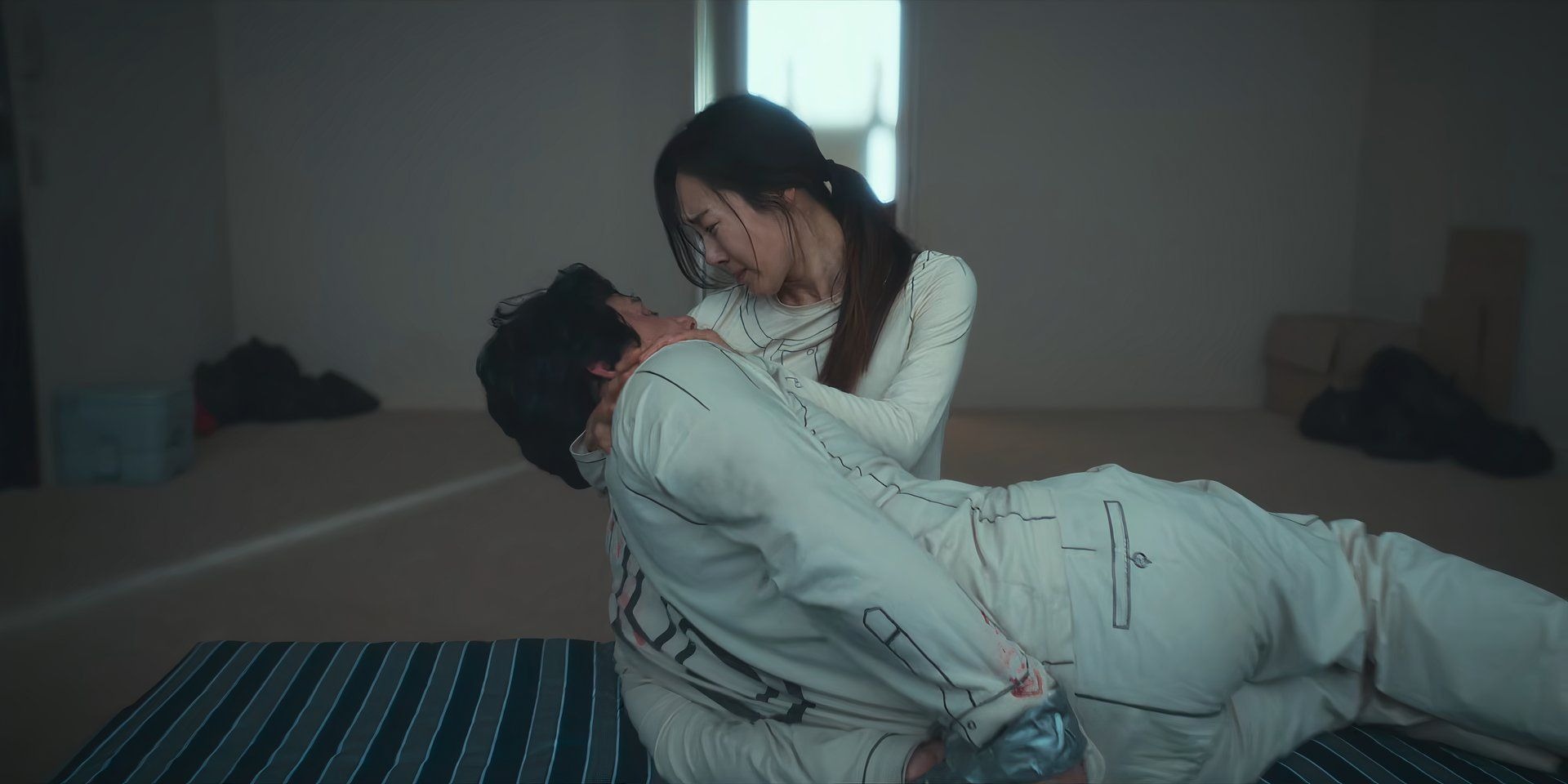
The 8 Show wrapped up its intense and psychological run with a closing that stayed loyal to the tension, mind games, and human desperation it had been building from the start. The concept, which placed eight individuals in a strange building where time equals money, moved far beyond just a test of greed.
By the time the story reached its final moments, it had already peeled back layers of each person’s intentions, fears, and boundaries. The ending did not tidy everything up with comfort. Instead, it leaned into the emotional chaos and forced each character to face the cost of what they had become.
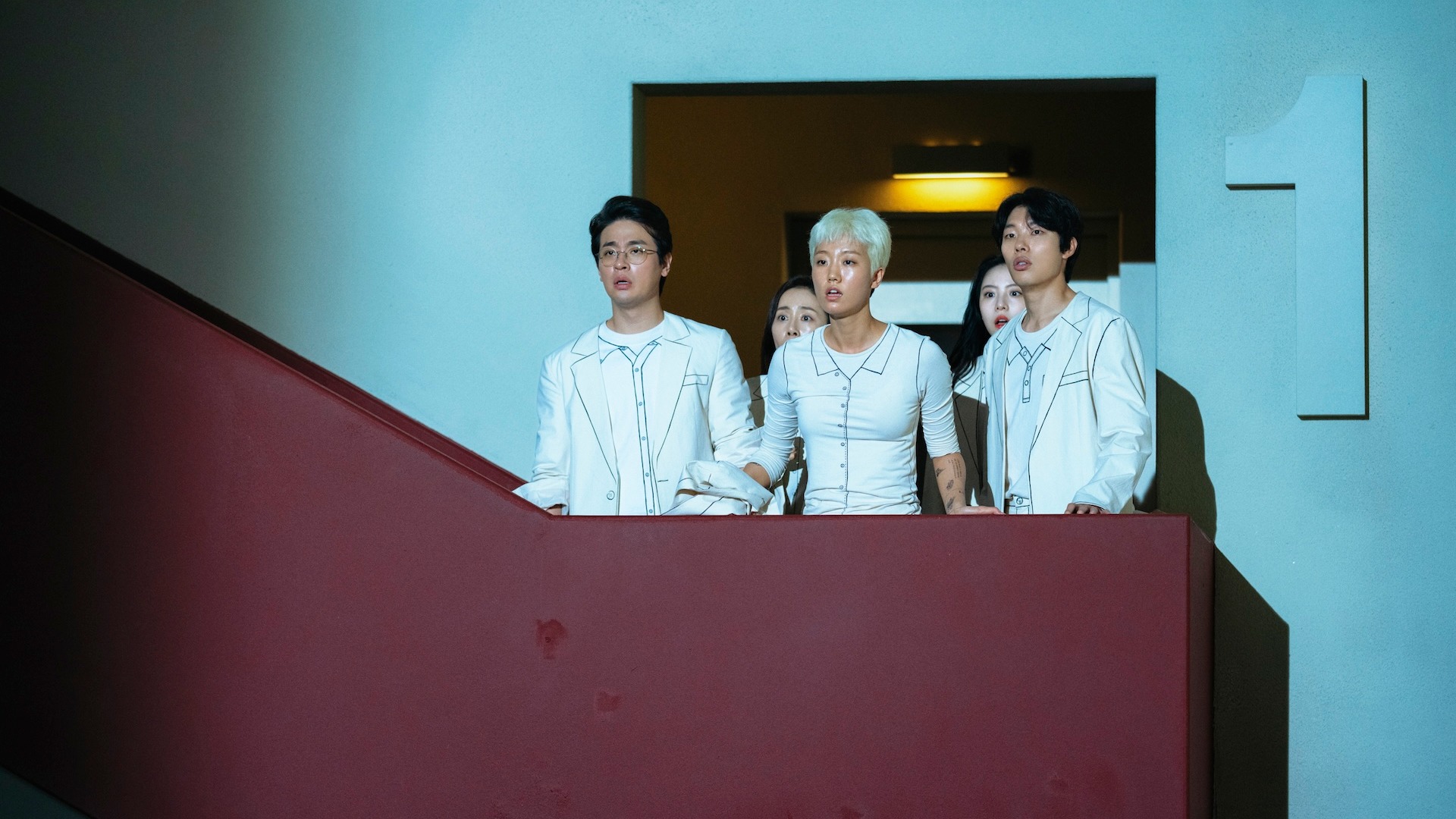 Isolation cracked open truths no one wanted to face (Photo: The 8 Show/Lotte Cultureworks, Magnum 9, and StudioN)
The experiment at the centre of this show started as a game with fixed rules, but as personalities clashed and survival instincts took over, the rules began to change. What started as a simple countdown turned into a mirror that revealed what happens when people are given both time and isolation without limits.
The creators of the experiment may have set it up for entertainment, but those inside the structure turned it into something far more raw and unpredictable.
What Happened to the Participants Inside the Structure
Each floor inside the building acted as a separate chamber for its occupant, yet isolation was never complete. Screens and communication gave the participants a chance to talk, argue, form temporary alliances, or manipulate each other.
These exchanges were not about friendship. They became tools for power. Some used charm. Others used fear. Everyone was playing for more than money. Each person wanted control, and control meant survival.
Over time, those involved began changing how they interacted. Early connections based on honesty gave way to calculated lies. Trust was used as a tool, and betrayal started to feel like a strategy rather than a failure.
Viewers watched how each individual shaped their behaviour to match their desire to win, even if that meant giving up basic decency. People lied about their past, exaggerated their pain, and made others feel guilty just to maintain emotional leverage.
As the time continued to stretch, the personalities of the contestants became more unstable. Paranoia grew, especially when the prize pot began to grow faster and pressure increased. The people who once seemed calm started showing signs of mental exhaustion.
Some gave up entirely. Others snapped without warning. The tension rose not because of external threats, but because of the emotional weight sitting on each person’s conscience.
The Final Moments and Emotional Collapse
As the show approached its final stages, the characters who had survived this far were no longer just players in a game. They had become different people. They were thinner, more nervous, and less human in how they treated others.
The experiment had drained them of empathy. Most of the contestants were no longer even sure whether they were still playing for money or if they had simply forgotten how to walk away.
The person who managed to remain the calmest started to gain an advantage. It was not strength or aggression that gave them power. It was patience and the ability to watch others destroy themselves. One of the most unsettling parts of the closing scenes was how quiet the strongest participant had become.
They were not the loudest, nor the most violent. But by the time others had collapsed mentally, this person had positioned themselves to come out on top.
The final twist came when the doors opened. The person left standing expected to walk out with everything they had fought for. But the truth outside was far from what had been promised. The entire experience had been manipulated far beyond what the contestants believed.
Their struggles, losses, and even deaths had all been part of a larger setup for someone else’s entertainment. The ending did not offer relief. It presented a moment of silence that held more weight than any prize could match.

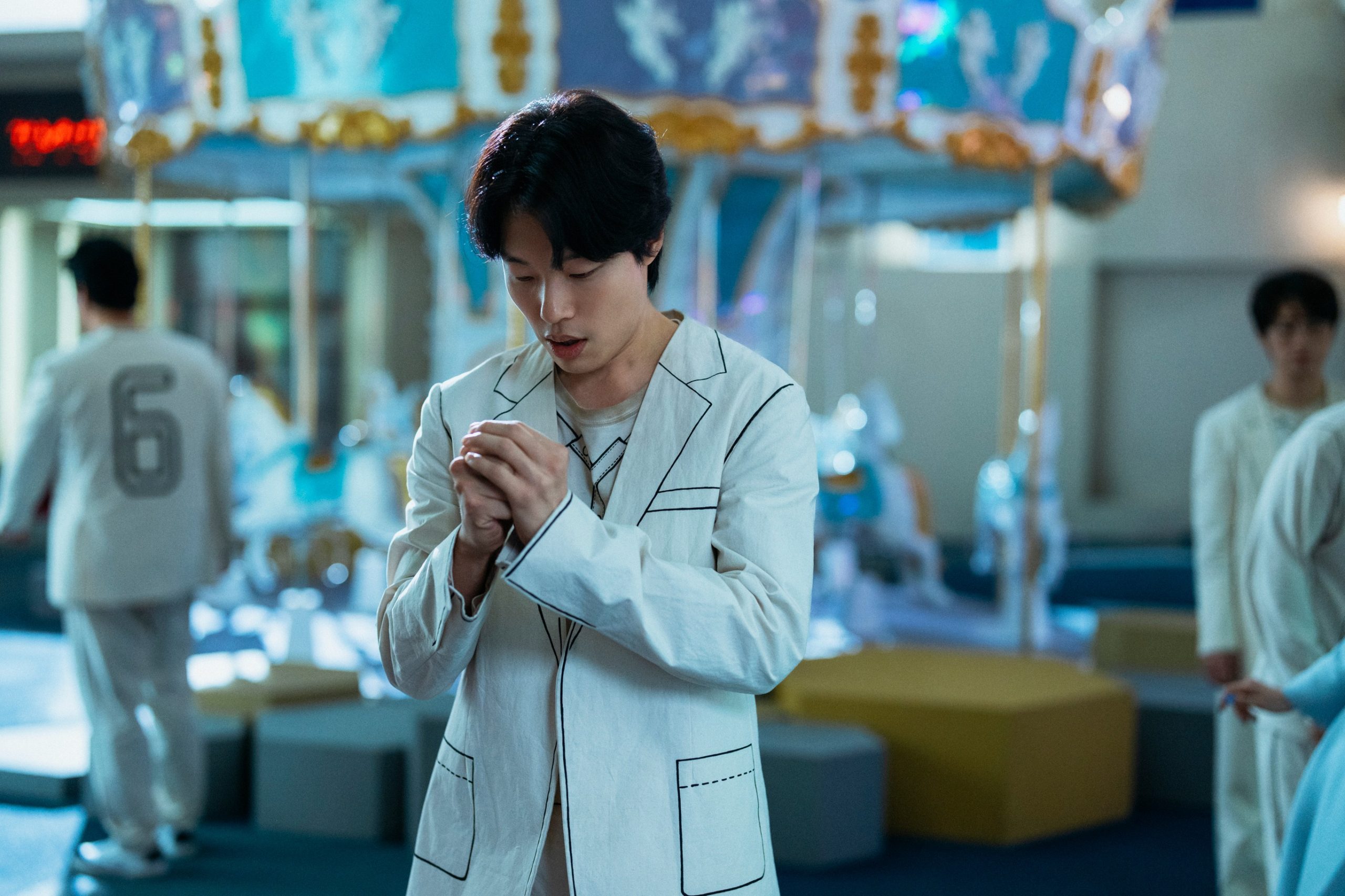 The experiment exposed more than anyone expected (Photo: The 8 Show/Lotte Cultureworks, Magnum 9, and StudioN)
What the Show Revealed About Human Choice
The most uncomfortable part of The 8 Show was not the violence or the betrayals. It was how easily people adjusted to them. None of the participants had started out as criminals or monsters. They were people who needed money, who believed they could handle a challenge.
But once inside the building, those values began to disappear. Self-interest began to guide their actions, and excuses became easy to make.
The show created a structure where rules seemed clear, but morality was left to each person. There were no real punishments for lying or hurting others. The only thing that mattered was how much time you could buy and how much money you could earn from it. That setup placed pressure on every decision. People found themselves making choices they would never have imagined before entering.
The experiment gave them what they thought they wanted. But what it took away—peace of mind, trust, and self-respect—became harder to recover. By the time the show ended, those watching had to ask themselves whether the money was ever really the reward, or just a distraction from what had been lost.
Outside the Structure: What Came Next
The final scenes did not try to force a lesson. Instead, they showed the results in a way that made everything feel heavier. The person who survived and made it out did not walk into comfort. Their mind was still in the building, filled with memories of faces, screams, and the decisions they could not take back. The people who had died were not just names. They were ghosts that stayed with the survivor.
Outside, society did not look different. Life continued. People watched clips from the show. Some laughed. Others were horrified. But to most, it remained entertainment. Only the people who had lived through it truly knew what it meant. And even they were not sure how to process what they had seen and done.
The survivor walked away, not with pride, but with a quiet stare that suggested nothing would feel the same again. Money may have been won, but the person who entered the building was not the same person who came out of it.
The experiment had achieved its purpose—to change people. Whether it destroyed them or just revealed who they already were remained unanswered. The 8 Show is currently available for streaming on Netflix. Check your local region for access through the platform.