

The Atypical Family reached its final moments by tying together deep emotional wounds, time travel choices, and love that had to be tested through loss and healing.
The story brought together the everyday pain of family life with the strange weight of supernatural powers, but it never lost sight of what truly mattered—the people inside the Bok family had to face themselves and one another honestly.
The ending gave space for resolution without pretending that every struggle would disappear completely. The Bok family had gone through years of disappointment and guilt, with each member hiding behind either pride or regret.
 Time travel could not undo emotional distance (Photo: The Atypical Family/Story & Pictures Media, Drama House Studio, and SLL)
Their abilities were once symbols of power but turned into sources of sadness and confusion when those gifts began to fade. The series did not rely only on its fantasy element.
It built a story rooted in the kind of emotional tension many families experience—misunderstandings, unmet expectations, and quiet longing for connection. The final episodes focused on rebuilding trust among loved ones who had drifted far apart.
Healing Did Not Begin with Power
The Bok family’s strength was never just about supernatural gifts. Even though each person once had an ability that made them feel special, it was clear that emotional pain had weakened their hold on those powers. Gwi Ju, the father, used to travel through time to revisit the past.
But when he became weighed down by sorrow from losing his wife and struggling to raise his daughter alone, that gift slipped away. Instead of fixing things, he withdrew from his present life.
Da Hae’s arrival created tension, but it also marked the start of change. She came into their lives with her own secrets and motives, yet her presence forced everyone in the household to pay attention to what they had ignored. Gwi Ju had to stop looking backward. I Na, his daughter, started confronting her own pain from being bullied and misunderstood.
The grandmother, Bok Man Heum, was reminded that her dreams had meaning beyond warnings. Da Hae did not bring magic. What she offered was presence. Her connection with Gwi Ju started with suspicion but grew into something genuine.
She saw the pain he tried to cover with silence, and he saw the way she had spent years pretending to be someone else. Their relationship challenged both of them to grow.
Love Had to Fight Against Time and Memory
Time travel in the series was not just a tool for action. It was a reflection of regret and longing. Gwi Ju used his ability to return to moments with his late wife, but he always ended up watching rather than changing anything.
That became a quiet metaphor for how grief traps people in the past. He was stuck trying to fix what had already happened instead of building something new. When his feelings for Da Hae became real, he faced a choice.
He could keep running back to memories, or he could stay present for the future. This struggle formed the emotional core of the final episodes. Love could not survive if he continued to live inside memories. And that realisation pushed him to stop using his power selfishly.
I Na’s arc also reached an important point. As a teenager, she dealt with isolation and shame, both from school and home. But seeing her father change helped her find her voice.
She began to understand that her family’s problems were not just hers to carry. She had power of her own, even without abilities. Her growth showed that healing does not require magic. It begins with feeling seen and supported.
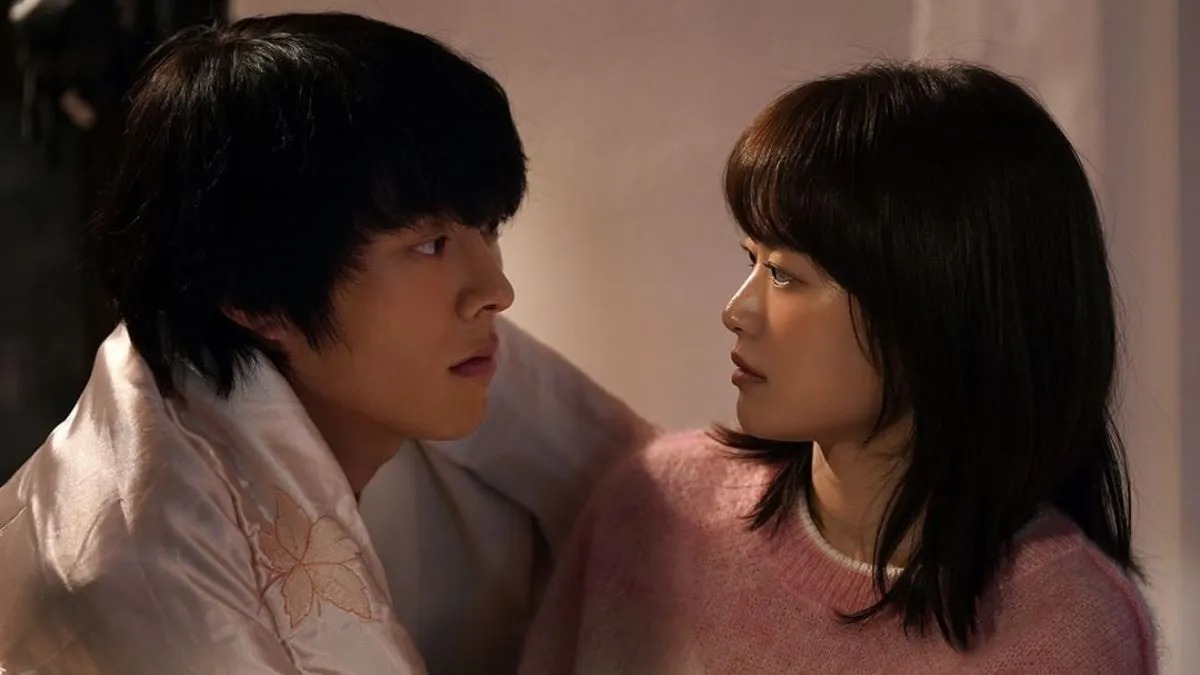 Pride and guilt gave way to quiet connection (Photo: The Atypical Family/Story & Pictures Media, Drama House Studio, and SLL)
Sacrifice, Rebirth, and What Was Worth Saving
The later episodes brought higher stakes. When danger appeared that could affect not just the Bok family but others connected to them, the idea of sacrifice became clear. Gwi Ju had the chance to protect the people he cared about, but it came at a cost.
What made this moment powerful was not just the threat itself, but what it revealed about him. He had changed from a man chasing the past to one willing to face risk for the sake of his daughter and the woman he loved.
Da Hae also had to reckon with her past. Her identity had been shaped by lies, and though she had tried to leave that behind, the truth found her again. Instead of running, she chose honesty. She admitted the things she had done and stood ready to face the consequences.

Her bravery became a turning point—not because it erased what she had done, but because it allowed her to stop living in fear. Their love, tested through these trials, no longer needed to be proven through grand gestures. Instead, it became visible in the way they listened, the way they protected one another, and the way they chose to stay even when things got hard.
The Family Did Not Need to Return to What Was Lost
At first, it seemed like the story was about the Bok family trying to recover their powers. But by the end, it became clear that those powers were never the problem or the solution. They had been symbols of control, but they had also been distractions from the real work each person had to do—dealing with pain, guilt, pride, and fear.
As relationships started to rebuild, the energy within the family began to change. Laughter returned to the dinner table. Misunderstandings were replaced with openness. Each person had to apologise for the way they had hurt the others, not because it fixed everything, but because it opened a path forward.
The show did not suggest that healing was quick or perfect. Instead, it showed what real family repair looks like—small efforts that begin to build trust again. Sometimes, the most powerful thing a person can do is stay, listen, and choose kindness.
When the time travel power returned at the very end, it was no longer used to run from the present. It was used carefully, with understanding of what truly matters. Gwi Ju did not go back to fix mistakes. He went back to cherish moments and protect his future.
Da Hae, now firmly part of the family, stood not as a guest but as someone who had earned her place. I Na, now stronger and more sure of herself, no longer felt like the background of someone else’s story. The grandmother and uncle also found peace in ways that reflected how much the whole family had grown.
The Atypical Family closed with the kind of ending that offers warmth without pretending that life becomes perfect. It reminded viewers that real change starts when people stop hiding and begin to show up for each other—not through supernatural gifts but through care, honesty, and shared strength.
You can currently watch The Atypical Family on Netflix. Availability may depend on your local region within the platform.