
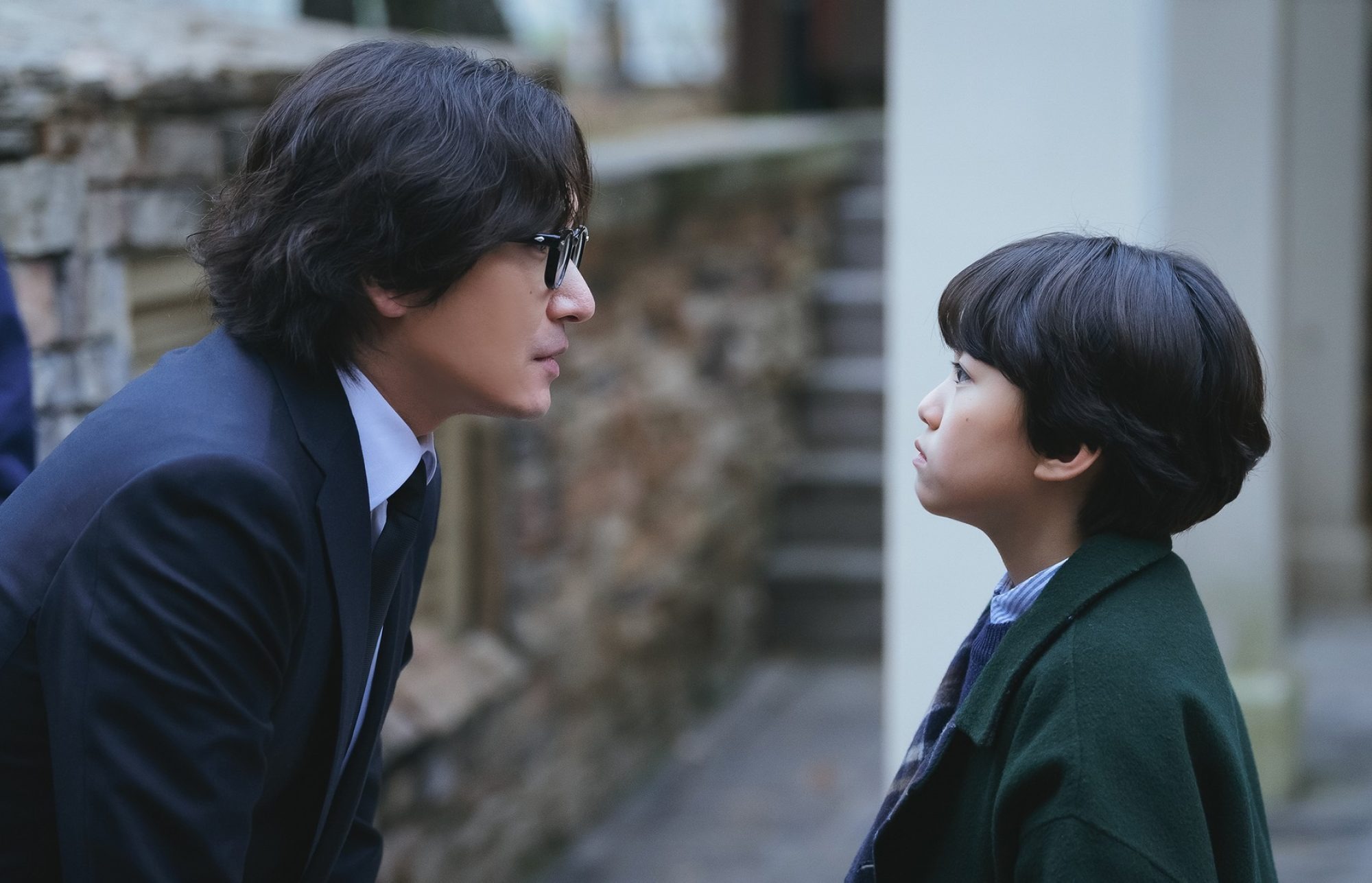
From the beginning of its second season, Taxi Driver focused more on vengeance missions that touched deeper corners of injustice. The Rainbow Taxi team kept putting themselves on the line for people failed by the system. With each new client, the group’s unity and values were tested in different ways.
But as the episodes moved forward, a deeper threat started forming that didn’t only target the weak but also reached directly into the hearts of the people working behind the taxi service. This time around, the enemy they faced was not one single criminal, but something bigger than past operations.
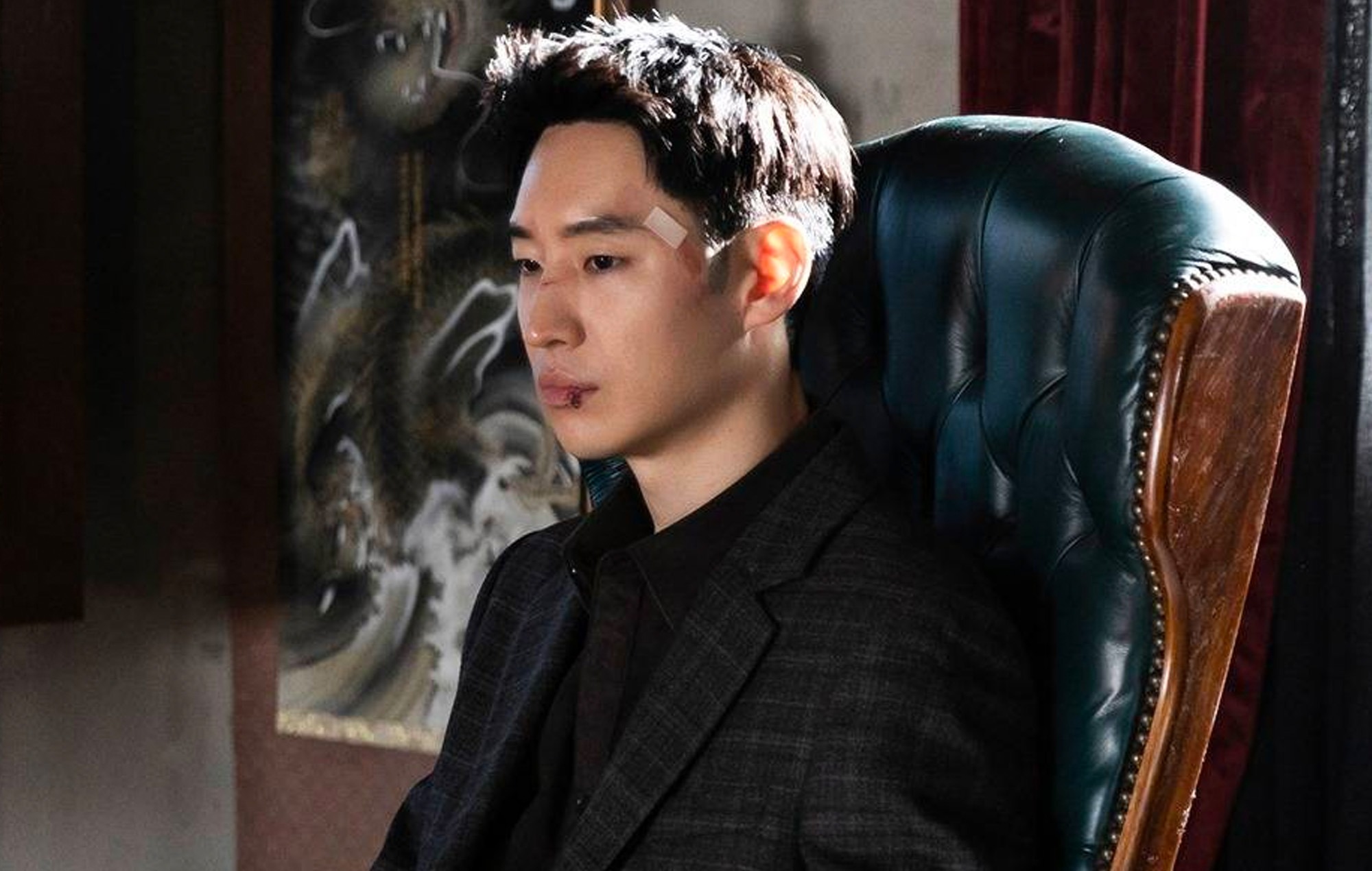 Not every villain wears a face you can name (Photo: Taxi Driver Season 2/Studio S)
Things became more dangerous, not just for the victims they tried to help, but for the team itself. Every step taken brought more personal risk. The show carefully built tension from episode to episode, keeping the stakes high till everything boiled over.
The Team Faces A Much Bigger Threat
Unlike in the earlier missions where the team worked to punish individuals who had committed clear crimes, this season introduced a network of powerful figures who had learnt how to manipulate the system without leaving evidence.
This meant the team could no longer operate the same way they used to. At first, the Rainbow Taxi service tried their regular tactics, but it quickly became obvious that this new enemy was several steps ahead. There were traps already set before the team even started some jobs.
One of the people who stood out in this new fight was On Ha-Joon, the new recruit who blended into the team while hiding his true loyalty. The ending revealed he had been planted to spy on them, which added more weight to the emotional side of the story.
Seeing someone they trusted turn on them showed how deep the threat ran. And it was not just betrayal for the sake of it—his actions came from beliefs that were shaped by pain and manipulation.
Kim Do-Ki found himself pushed harder than before. While he had always operated with sharp instincts and deep loyalty to the victims, this time he was forced to question the cost of justice.
He remained firm in his mission, but the choices became heavier. It wasn’t just about getting revenge anymore. It was about trying to understand what kind of justice truly mattered and whether their version was enough to bring peace.
Ha-Joon’s Role Shakes the Foundation of Rainbow Taxi
The final episodes of the season focused heavily on Ha-Joon’s backstory. As more truth came out, the show didn’t paint him simply as a villain. Instead, it showed a man who had been used and brainwashed by an organisation known as Black Sun. Ha-Joon believed he was serving a better purpose, and that twisted belief turned him into a dangerous enemy who still had a human face.
This made the ending more emotionally layered. When Ha-Joon finally reached the edge of his mission, he stood between two paths—one of full destruction, and one of possible return. However, he never truly got the chance to make that choice in peace.
His ending was tragic, but it also left room for reflection. Even Kim Do-Ki seemed affected, not just by the betrayal, but by the weight of what it meant to fight for justice in a place where pain produces enemies out of victims.
Meanwhile, Choi Kyung-Koo and Park Jin-Eon, who usually brought some comic relief in earlier episodes, also got pulled deeper into emotional conflicts. Their involvement in the missions exposed them to real consequences this time.
What had previously been seen as clever strategies started turning into life-or-death situations. These changes gave more weight to their characters, showing how long-term service in such work leaves scars.
The Black Sun Organisation and Its Deep Influence
The real villain of the season was not Ha-Joon himself, but the group that had twisted him—Black Sun. This hidden group operated under the mask of legal business and social respectability, which made them very hard to pin down.
Their operations showed how power could be used quietly to control without leaving a visible trace. And the way they ran things exposed how the system itself was sometimes designed to favour people like them.
The Rainbow team had to abandon some of their past rules in order to confront such an organised structure. This meant they had to go further than before, using more dangerous methods and even breaking some of their own principles.
For example, the tech expert Go Eun had to push her skills to the limit, entering spaces that could cost her freedom. At the same time, Jang Sung-Chul’s role as the leader became more stressful. He had to balance protecting his team with leading them into very risky battles.

This hidden enemy was not taken down in one single blow. The final mission came after plenty of failed attempts and dangerous losses. The team found a way to weaken Black Sun’s power by exposing some of their operations publicly, but there was a clear understanding that this kind of enemy does not disappear completely. The show left a sense that the fight for justice is ongoing and sometimes comes with no final answers.
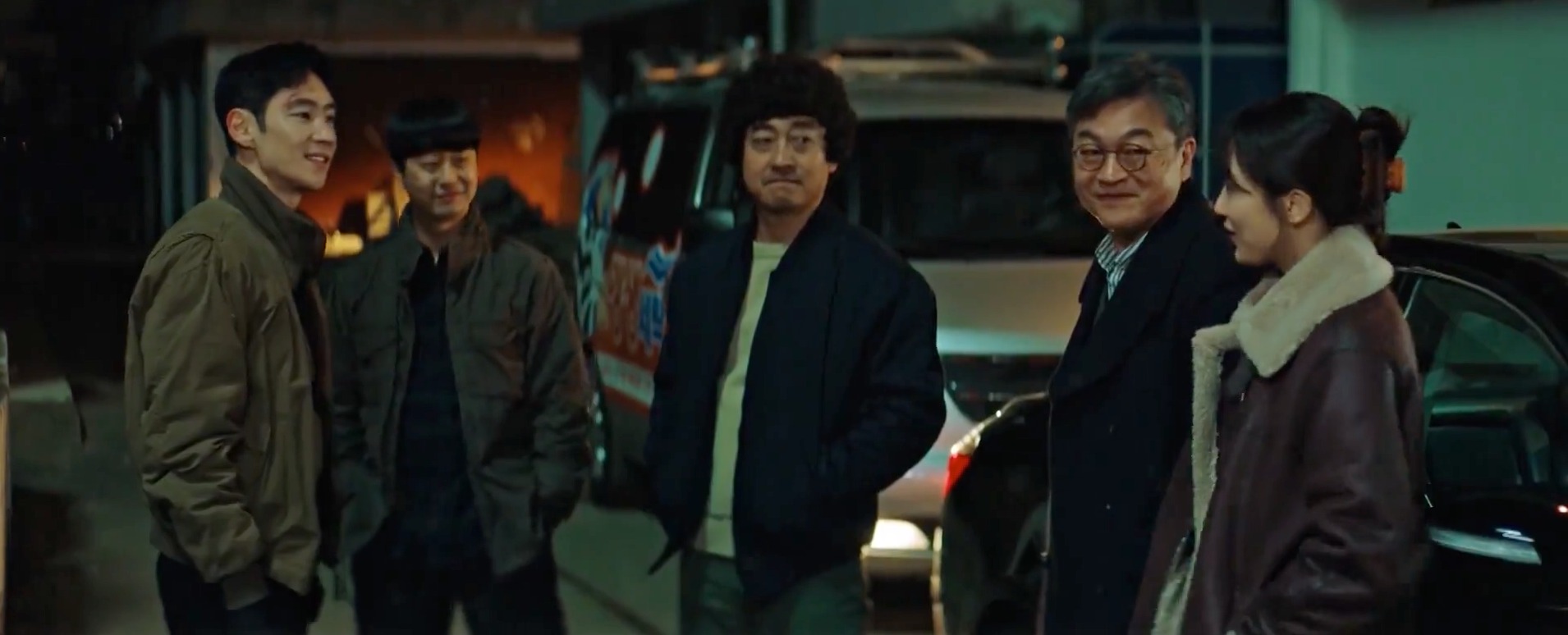 They fix what the law leaves broken (Photo: Taxi Driver Season 2/Studio S)
The Ending Brings Justice With a Heavy Price
By the time the last episode came, the emotional and physical cost of their mission had been made clear. The team succeeded in breaking some of the Black Sun connections, but they also lost people and pieces of themselves along the way.
Ha-Joon’s death did not bring celebration. Instead, it left a painful silence that stayed with the team. There was no dancing or joy at the end, only a deep breath as they prepared to move forward.
Kim Do-Ki was last seen driving the taxi alone, taking a new passenger, hinting that the mission is not over. His silence in that scene said everything. The job continues, even when the pain remains. This scene showed how justice is not about a clean ending, but about carrying forward the responsibility to keep doing what is right, even when it gets harder.
The closing moments also gave small updates about each team member. Go Eun remained with the group, still supporting from behind her screens. Choi Kyung-Koo and Park Jin-Eon returned to repair work, trying to hold onto normal life while staying alert. Jang Sung-Chul remained as the heart of the operation, but it was clear that the past season had changed him too.
There was no big speech or exaggerated summary. Just a quiet sense of duty and grief carried by people who had given too much of themselves already. This kind of ending respected the tone of the whole show—serious, purposeful, and unwilling to offer simple answers.
Season 2 left space for another chapter, but it also gave enough closure to stand on its own. It reminded viewers that revenge dramas are not only about punishing the wicked, but about asking what justice really means when the damage runs deep and healing is never quick.
If you are interested in watching Taxi Driver Season 2, it is currently available for streaming on platforms such as Viki and Netflix, depending on your location.